- Venice is the headline, but Verona, Padua and Vicenza are all short train rides away
- Three airports with UK flights make it easy to reach
- Combine art cities with Lake Garda, the Dolomites or the beach
- The Prosecco hills make a gentle wine-country add-on
- Airports
- Venice Marco Polo (VCE), Treviso (TSF), Verona (VRN)
- Best time to go
- April-June and September-October
- Type
- Region
The Veneto is the region around Venice, stretching from the Adriatic lagoons to the Dolomites and west to the shores of Lake Garda. For centuries it was the mainland territory of the Venetian Republic, and you can see it in the winged lions on town gates, the Venetian Gothic palaces and the villas built by Venetian nobles across the countryside.
It is one of Italy's easiest regions to explore from the UK, with frequent flights and a dense rail network linking its cities. A week here can combine canals, Roman arenas, Renaissance frescoes, wine tasting, mountain walks and a few days on the beach. For the rest of the country, see our Italy guide.
Why go to the Veneto
- Venice – the lagoon city needs no introduction. See our Venice guide.
- Verona – Roman Arena, opera in summer and the Romeo and Juliet connection. See our Verona guide.
- Padua – Giotto's Scrovegni Chapel, the Basilica of St Anthony and a lively university atmosphere. See our Padua guide.
- Vicenza – Palladio's city, with the Teatro Olimpico and villas such as La Rotonda. See our Vicenza guide.
- Treviso and the Prosecco hills – a canal town with an easy-going pace, close to the UNESCO-listed Conegliano-Valdobbiadene hills. See our Treviso guide.
- The Dolomites around Belluno – Cortina d'Ampezzo, Lake Misurina and the Dolomiti Bellunesi National Park. See our Belluno guide and Dolomites guide.
- Lake Garda's eastern shore – Bardolino, Lazise, Garda and Malcesine. See our Lake Garda guide.
- Beaches and the Po Delta – long sandy resorts such as Lido di Jesolo, plus wetlands and birdlife around Rovigo.
Where to stay
| Area | Why stay there |
|---|---|
| Venice | Unforgettable but pricey; stay at least two nights to see it early and late |
| Padua or Mestre | Cheaper bases on the rail line, about 25 minutes or less from Venice |
| Verona | Ideal for combining city sightseeing with Lake Garda and Valpolicella |
| Lake Garda east shore | Lakeside towns with ferries, beaches and easy access to Verona |
| Cortina d'Ampezzo | Upmarket Dolomites resort for skiing and summer hiking |
| Lido di Jesolo | Family-friendly beach base with Venice reachable by boat |
Getting there
Venice Marco Polo, Treviso and Verona all have flights from UK airports, with Treviso mainly served by low-cost airlines. Check seasonal routes, as schedules change between summer and winter. Fast trains link Venice, Padua, Vicenza and Verona on the main east-west line, with Venice to Verona taking around 70 minutes on the fastest services. Overland, you can take Eurostar to Paris and continue by high-speed train via Milan.
Best time to visit
Spring and early autumn are best for cities, with comfortable temperatures and fewer queues. July and August are hot and busy in Venice but ideal for the beaches, the Arena di Verona opera season and the mountains. Winter is quiet and atmospheric in the cities, while the Dolomites fill up with skiers from December to March.
Venice charges a day-tripper access fee on selected peak days. Check the city's official website before planning a day visit from elsewhere in the Veneto.
Top attractions in Veneto
 Landmark
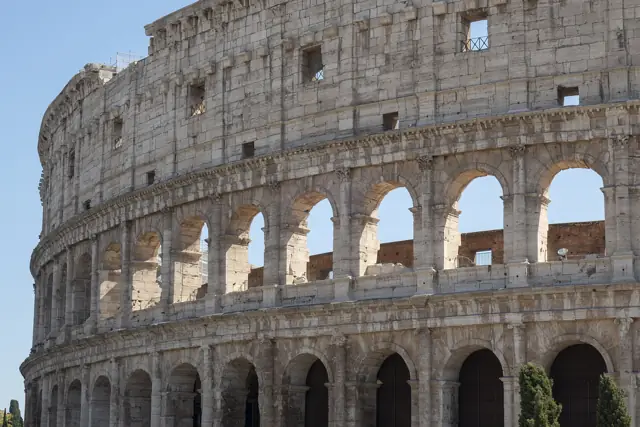
Colosseum
Rome's great amphitheatre, where up to 50,000 spectators once watched gladiator fights, is the city's most iconic sight.
 Landmark
Florence Duomo
Florence's cathedral, crowned by Brunelleschi's record-breaking dome, is the symbol of the city, with the bell tower…
 Nature
Mount Etna
Europe's tallest active volcano, with lava fields, craters and sweeping views over eastern Sicily.
 Nature
Path of the Gods
A spectacular cliff-top trail high above the Amalfi Coast, with views over Positano and out to Capri, that is free to…
 Landmark
Pompeii
The Roman town buried by Vesuvius in AD 79, Pompeii is the most complete ancient city in the world and an unforgettable…
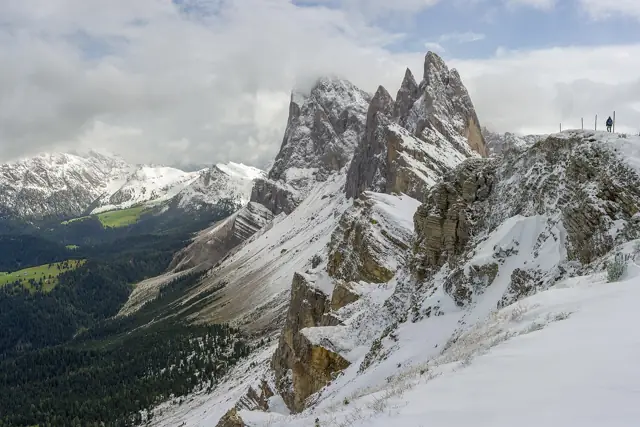 Viewpoint
Seceda
A grassy ridge above Val Gardena that drops away in a dramatic wall of jagged peaks, reached by cable car from Ortisei.
Veneto on the map
Frequently asked questions
How long do I need in the Veneto?
A week lets you see Venice, Verona and Padua or Vicenza at a comfortable pace. Add extra days for Lake Garda, the Dolomites or the beach.
Is it cheaper to stay outside Venice?
Usually, yes. Padua, Treviso and Mestre are popular cheaper bases with quick trains into Venice.
Can I visit the Veneto without a car?
Yes for the cities, which are well connected by train. A car helps for the Prosecco hills, Palladian villas and mountain areas.
What food is the Veneto known for?
Risotto, polenta, radicchio from Treviso, baccalà, tiramisu (Treviso claims to have invented it) and of course Prosecco and Amarone wine.
Written by
Emma City breaks & deals editor
Emma plans city breaks the way other people plan the weekly shop: on a budget, with a spreadsheet and a backup plan. She covers city guides and deal-hunting.
More from EmmaWe research every guide carefully, but prices, opening times and timetables change. Check them shortly before you travel. Links to our booking partners are affiliate links.