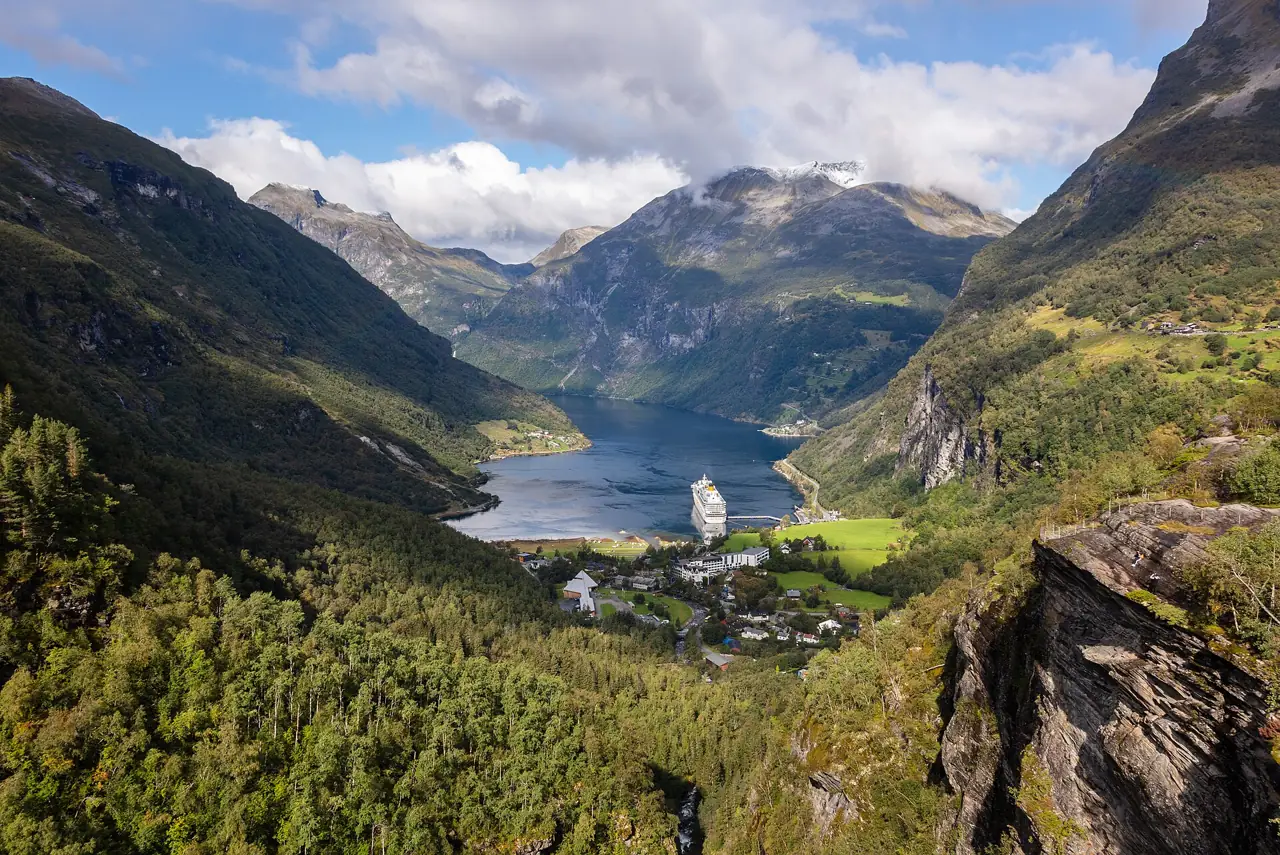
- The western fjords are at their best from May to September
- Tromsø and the far north are prime northern lights territory from autumn to early spring
- Svalbard expeditions run in summer, when sea ice retreats
- Norway is expensive, so plan meals and drinks carefully
- Airports
- Oslo (OSL), Bergen (BGO), Tromsø (TOS), Longyearbyen, Svalbard (LYR)
- Flight time
- about 2h from London to Oslo or Bergen
- Best time to go
- May-September for fjords and Svalbard expeditions; late September-March for the northern lights
- Currency
- Norwegian krone (NOK)
Norway is made for big landscapes. Fjords cut deep into the mountains of the west coast, the Lofoten Islands rise straight out of the sea, and beyond the Arctic Circle the sky glows green with the aurora in winter and the sun never sets in summer. Further north still, the Svalbard archipelago is one of the most accessible places on Earth to see polar bears, walrus and Arctic glaciers.
Here's how to plan your trip, whether it's a fjord break, a northern lights hunt or a full Arctic expedition.
Where to go in Norway
The western fjords
Bergen, with its colourful Bryggen wharf, is the gateway to the fjords. The UNESCO-listed Geirangerfjord and Nærøyfjord are among the most spectacular, best seen by ferry, cruise or from viewpoints such as Flydalsjuvet. The Flåm Railway, one of the steepest standard-gauge lines in the world, makes a memorable day trip.
Tromsø and the Arctic north
Tromsø, about 350km north of the Arctic Circle, is a lively university city and one of the best bases in Europe for seeing the northern lights. Winter tours include aurora chasing, husky sledding and whale watching (usually from late October to January). The Lofoten Islands, with their red fishing cabins and jagged peaks, are stunning year-round.
Svalbard
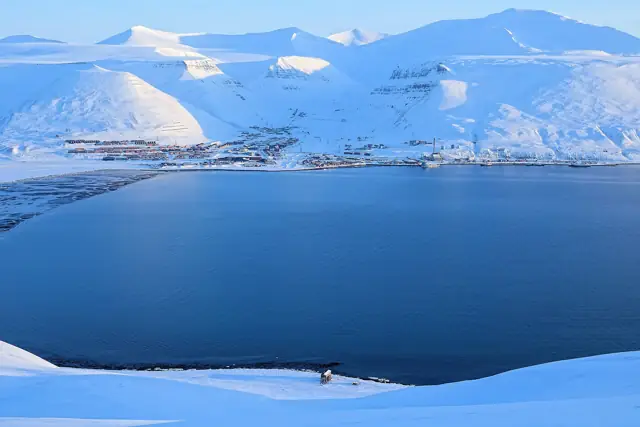
Halfway between mainland Norway and the North Pole, Svalbard is a true high-Arctic wilderness. Most visits start in Longyearbyen, the world's northernmost town of any size, with museums, cafés and access to glaciers, snowmobile trips and boat excursions. In summer, small expedition ships circle the archipelago in search of polar bears, walrus and seabirds.
Oslo
The capital is compact and green, with the striking Opera House, the Munch Museum and the Viking-age collections. It's an easy two-hour flight and a good start or finish to a rail journey west to Bergen.
Arctic expeditions from Norway
Expedition cruises around Svalbard typically run from late May to September, when the sea ice retreats and the midnight sun gives 24-hour daylight. Ships are small, usually carrying around 100-200 passengers, and use Zodiac boats for landings and wildlife cruising with experienced guides. It's a serious investment, but often considerably cheaper and shorter than an Antarctic voyage.

See all 47 dealsLive prices per person from our partners' feeds. Check the final price on the partner's site.
See all Arctic expedition deals or browse expedition cruises worldwide.
Best time to visit Norway
- May-June: long days, waterfalls at full force with snowmelt, fewer crowds than midsummer.
- July-August: warmest weather, all mountain roads and hiking routes open, peak season for fjords and Svalbard.
- September: quieter, autumn colours and the start of the northern lights season in the north.
- October-March: aurora season in Tromsø, Lofoten and the far north; the sun doesn't rise for several weeks around midwinter in Tromsø (and for even longer on Svalbard).
The midnight sun on Svalbard lasts from around late April to late August. In winter, polar night means weeks of darkness, but the northern lights can be seen even at midday.
Getting to Norway from the UK
Direct flights take about 2h from London to Oslo and around 1h50 to Bergen, with routes from some regional airports, plus seasonal winter flights to Tromsø. For Svalbard, fly to Oslo or Tromsø and connect to Longyearbyen; the flight from Oslo takes about three hours.
Norway is in the Schengen area but not the EU, so UK visitors can stay up to 90 days in any 180 and the EU's Entry/Exit System applies. Svalbard sits outside Schengen, so you'll have a passport check on flights between the mainland and Longyearbyen.
Getting around
Norway's railways connect Oslo with Bergen (about 7 hours on the famous Bergen Line), Trondheim and Bodø. Domestic flights save time on longer journeys north. The coastal ferry route from Bergen to Kirkenes calls at around 30 ports and is a classic way to see the coast. In the fjords, car ferries are part of the road network. On Svalbard there are no roads between settlements, and because of the polar bear risk, visitors should only leave Longyearbyen on trips with an armed, qualified guide.
Money and costs
Norway uses the Norwegian krone (NOK), and card payment is accepted almost everywhere. It's one of Europe's most expensive destinations, particularly for eating out and alcohol, which is sold in supermarkets only up to a low strength and otherwise through the state-run Vinmonopolet shops. Hotel breakfasts are generous, and picnic lunches from supermarkets help a lot. Tipping isn't expected.
Top attractions in Norway
Norway on the map
Frequently asked questions
Where is the best place in Norway to see the northern lights?
Tromsø, the Lofoten Islands, Alta and the North Cape area all sit under the auroral oval. Tromsø is the easiest to reach, with the widest choice of tours.
Can you see polar bears in Norway?
Only on Svalbard, not on the mainland. The best chance is on a summer expedition cruise around the archipelago, though sightings are never guaranteed.
How long is a Svalbard expedition cruise?
Most last around 7-12 days, starting and ending in Longyearbyen. Shorter boat day trips from Longyearbyen are possible in summer.
When is the best time for the Norwegian fjords?
May to September, when ferries, mountain roads and hiking trails are all operating. June and early September balance good weather with fewer crowds.
Written by
Thomas Ski, mountains & expeditions editor
Thomas is happiest above the tree line or below the Antarctic Circle. He writes our ski, mountain and polar expedition guides.
More from ThomasWe research every guide carefully, but prices, opening times and timetables change. Check them shortly before you travel. Links to our booking partners are affiliate links.
