
- Lisbon and Porto are ideal for city breaks, the Algarve for beaches
- May, June and September give the best mix of sun, sea and value
- Flights take under three hours from London
- Food, wine and public transport are good value
- Airports
- Lisbon (LIS), Faro (FAO), Porto (OPO), Funchal, Madeira (FNC)
- Flight time
- about 2h40 from London to Lisbon
- Best time to go
- May-June and September-October; July-August for guaranteed beach weather
- Currency
- Euro (€)
Portugal packs a lot into a small country. In a week you can wander the hilly lanes of Lisbon, sip port in Porto's riverside lodges and finish on a golden Algarve beach framed by sandstone cliffs. It's warm for much of the year, the flights are short and, even after recent price rises in the big cities, it remains one of the better-value holidays in western Europe.
Here's how to choose where to go, when to visit and how to make your money go further.
Where to go in Portugal
Lisbon
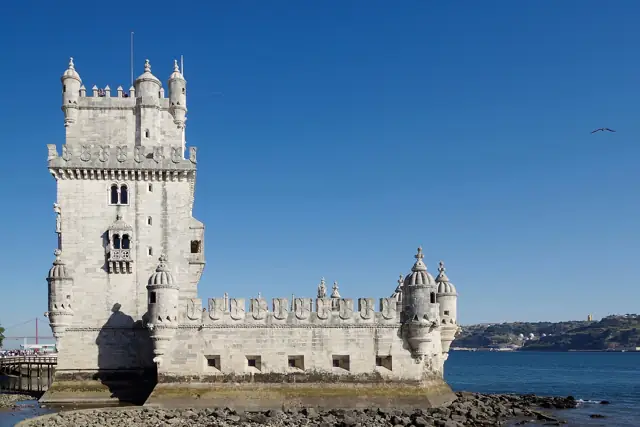
The capital is one of Europe's most enjoyable city breaks. Lisbon has vintage trams, viewpoints (miradouros) over terracotta rooftops and a lively food scene. Head to Belém for the 16th-century Belém Tower, the Jerónimos Monastery and the original pastéis de nata. Sintra's palaces and the beaches at Cascais are easy day trips by train.
The Algarve
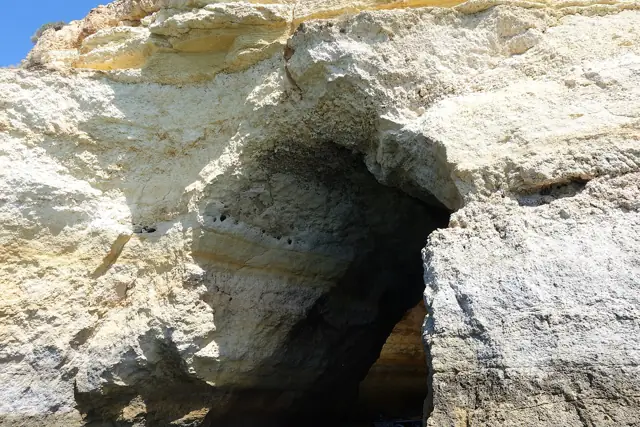
Portugal's southern coast is the classic beach holiday. The Algarve offers family resorts such as Albufeira and Alvor, quieter towns like Tavira in the east and wild Atlantic surf beaches in the far west. The coast between Carvoeiro and Armação de Pêra is famous for sea caves, including Benagil Cave, best seen from the water on a boat trip.
Porto and the Douro Valley
Porto is a characterful second city with tiled churches, the double-decker Dom Luís I bridge and port lodges in Vila Nova de Gaia. Inland, the Douro Valley's terraced vineyards are a UNESCO World Heritage landscape; a scenic train, river cruise or winery stay makes a memorable add-on.
Madeira and the Azores
Madeira, about four hours' flight from London, is known for mild weather all year, levada walks and dramatic mountains. The Azores, in the mid-Atlantic, are greener and wilder, with whale watching, crater lakes and hot springs.
Best time to visit Portugal
Portugal enjoys more sunshine than most of Europe, but the Atlantic keeps the sea cooler than the Mediterranean.
- Spring (April-June): warm, sunny and ideal for cities, hiking and the Douro. Algarve sea temperatures are still on the fresh side.
- Summer (July-August): hot and dry, with the busiest beaches and highest prices. Inland areas can top 40 °C.
- Autumn (September-October): our favourite time: warm sea, fewer crowds and the Douro grape harvest.
- Winter (November-March): mild but wetter in Lisbon and Porto; the Algarve and Madeira are pleasant for walking and golf.
Portugal's main festival season is June, when Lisbon celebrates Santo António and Porto parties for São João. Book early if you want to be there.
Getting to Portugal from the UK
Flights from London take about 2h40 to Lisbon or Porto and around 2h45 to Faro, with direct routes from most UK regional airports, especially to Faro. Several airlines compete on these routes, so fares can be low outside the school holidays.
British visitors can stay up to 90 days in any 180 within the Schengen area. Check that your passport was issued less than 10 years ago and has at least three months' validity beyond your return date. Expect biometric registration under the EU's Entry/Exit System on your first entry.
Getting around
Trains link Lisbon, Coimbra and Porto in about three hours on the fastest Alfa Pendular services, and there's a rail line to Faro. Within Lisbon and Porto, the metro and trams are cheap; load a rechargeable card or tap a contactless bank card where accepted. Long-distance buses are efficient and inexpensive. For the Algarve, Alentejo or Douro, hiring a car gives the most freedom; many motorways use electronic tolls, so ask your hire company about a transponder.
Money and costs
Portugal uses the euro. Day-to-day costs are generally lower than in the UK: a coffee and pastry often costs just a few euros, and a set lunch (prato do dia) is excellent value. Lisbon and Porto hotels have become pricier, and both cities charge a small nightly tourist tax, as do several Algarve municipalities. Tipping is modest: rounding up or 5-10% in restaurants is normal.
Top attractions in Portugal
 Landmark
Belém Tower
A 16th-century fortress on the Tagus, decorated in Manueline style, that once guarded the gateway to Lisbon.
 Nature
Benagil Cave
The Algarve's famous sea cave, with a round skylight in its domed roof, reached by boat, kayak or paddleboard.
Portugal on the map
Frequently asked questions
Is Lisbon or Porto better for a weekend break?
Lisbon has more big sights and easy beach day trips; Porto is more compact, slightly cheaper and ideal for food and wine lovers. With four days or more, you can do both by train.
When is the Algarve warm enough to swim?
Most people find the sea comfortable from late June to early October, when it typically reaches around 20-22 °C. It is warmer on the eastern Algarve than the Atlantic-facing west coast.
Do I need a hire car in Portugal?
Not for Lisbon or Porto, where public transport is good and parking is difficult. A car is very useful for the Algarve's quieter beaches, the Alentejo and the Douro Valley.
Is Madeira good for winter sun?
Yes. Madeira has mild weather all year, with winter daytime highs typically around 19-20 °C, though it can be showery in the mountains. It suits walkers and couples more than beach lovers.
Written by
Anna Beach, family & practical travel editor
Anna knows which beach has shade at 3pm and which car hire excess is a rip-off. She covers sun, islands, family trips and practical travel tips.
More from AnnaWe research every guide carefully, but prices, opening times and timetables change. Check them shortly before you travel. Links to our booking partners are affiliate links.

