- Zermatt and Verbier are among Europe's highest, most snow-sure resorts
- Trains are the best way to get around, and a Swiss Travel Pass can save money
- Geneva and Zurich are under two hours from London
- Budget carefully, as Switzerland is expensive
- Airports
- Geneva (GVA), Zurich (ZRH), Basel (BSL)
- Flight time
- about 1h40 from London to Geneva or Zurich
- Best time to go
- December-April for skiing; June-September for hiking and scenic trains
- Currency
- Swiss franc (CHF)
Switzerland is the Alpine holiday in its purest form: snow-capped peaks, car-free mountain villages, lakes the colour of glacier ice and trains that run precisely on time. It's expensive, there's no avoiding that, but the scenery and efficiency are hard to match, and careful planning can make a Swiss holiday more affordable than you might expect.
This guide covers where to go, when to visit, getting there from the UK and how to manage costs.
Where to go in Switzerland
Zermatt and the Valais
Car-free Zermatt sits beneath the Matterhorn and has some of the highest skiing in the Alps, linked across the border to Cervinia in Italy. Ride to the Matterhorn Glacier Paradise, at 3,883m the highest cable car station in Europe, for views across the Alps and year-round glacier skiing. Elsewhere in the Valais, Verbier is a magnet for strong skiers and Saas-Fee for snow-sure, high-altitude slopes.
The Bernese Oberland
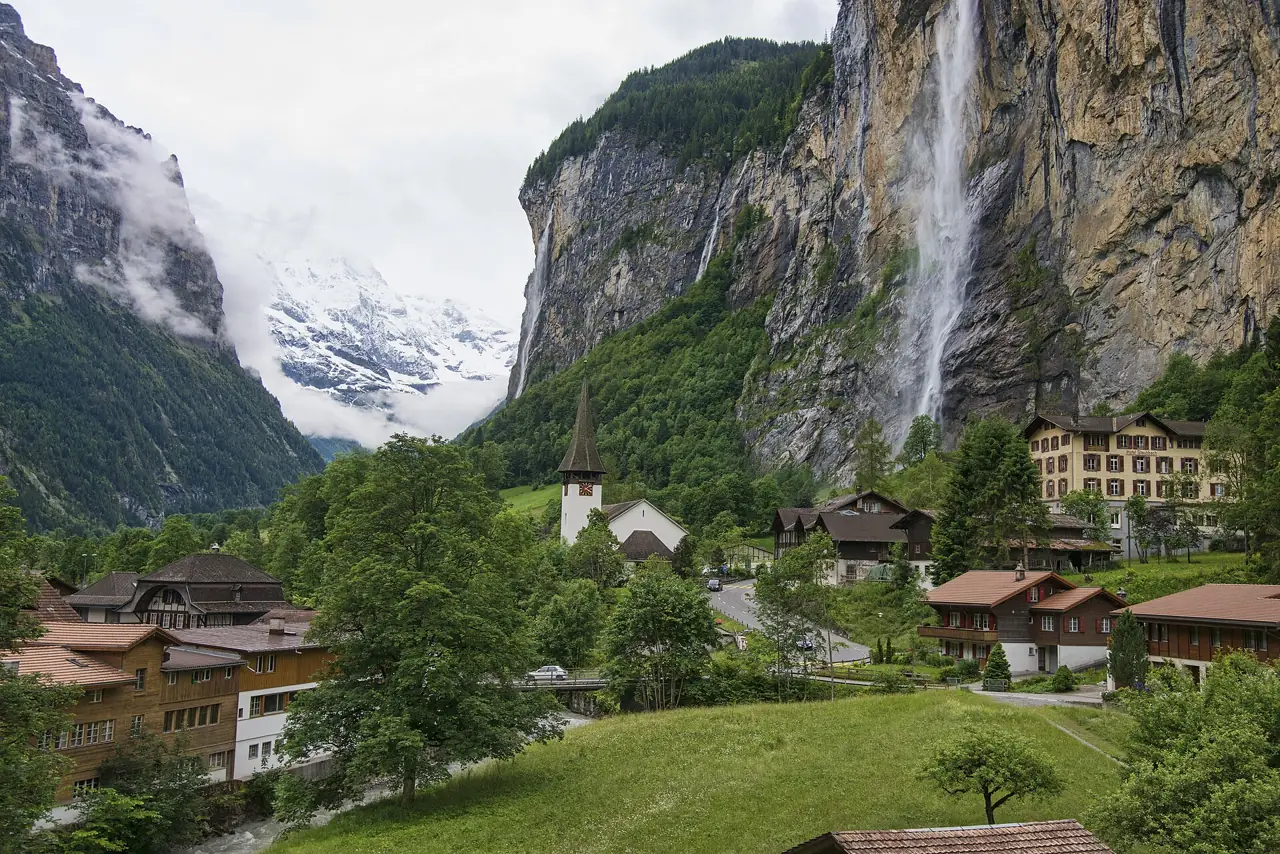
Around Interlaken, the Jungfrau region combines the Eiger, Mönch and Jungfrau peaks with traditional resorts like Wengen, Mürren and Grindelwald. The Lauterbrunnen valley, with its 72 waterfalls, is one of the most beautiful spots in the country. Both Wengen and Mürren are car-free and reached by train or cable car.
Lakes and cities
Lucerne has a medieval wooden bridge, lake steamers and mountain excursions up Pilatus and Rigi. Geneva and Lausanne sit on Lake Geneva, with vineyards terraced above the water at Lavaux, while Zurich is a stylish, compact city on its own lake.
Graubünden
In the east, St Moritz and Davos-Klosters are classic winter resorts, and the region is home to some of the most spectacular railway lines in the world.
Skiing in Switzerland
Swiss resorts tend to be high, snow-sure and set in genuine mountain villages. Lift passes and accommodation cost more than in Austria or Italy, but many resorts offer excellent value packages, and some have introduced dynamic lift pricing that rewards booking early.
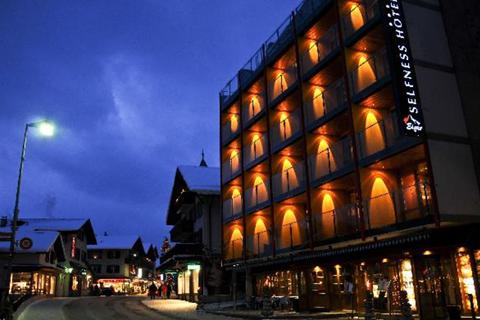
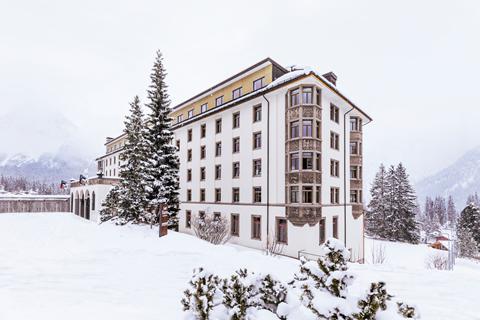
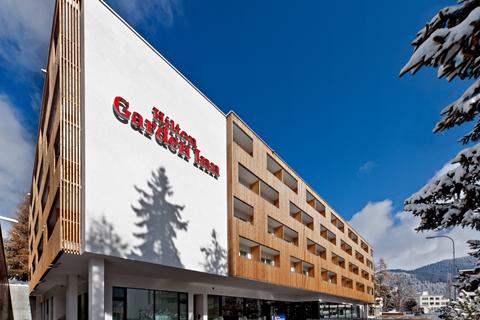
See all 39 dealsLive prices per person from our partners' feeds. Check the final price on the partner's site.
Browse more Switzerland ski deals or compare ski holidays across the Alps.
Best time to visit Switzerland
- December-April: ski season, with the most reliable snow from January to March. High resorts like Zermatt and Saas-Fee often ski well into April.
- May-June: quiet shoulder season in the mountains, with some lifts closed for maintenance; lakes and cities are lovely.
- July-August: peak hiking season, with mountain passes open and all scenic railways running.
- September-October: clear, settled weather, autumn colours and fewer visitors.
Check the live webcams before taking an expensive mountain excursion. On cloudy days you'll pay full price for no view.
Getting to Switzerland from the UK
Flights from London take around 1h40 to Geneva or Zurich, and there are direct routes from many UK regional airports in winter. Geneva is best for the Valais and the French-speaking west; Zurich for Graubünden and central Switzerland. Swiss trains depart directly from both airports, which makes transfers simple.
By rail, take Eurostar to Paris and the TGV Lyria to Geneva, Lausanne, Basel or Zurich; Paris to Geneva takes around 3h.
Switzerland isn't in the EU but is part of Schengen, so the 90-in-180-day rule applies to UK visitors, along with the EU's Entry/Exit System checks at the external border. Make sure your passport is under 10 years old and valid for three months beyond your stay.
Getting around
Swiss trains, buses and boats are integrated and timed to connect. The Swiss Travel Pass covers unlimited travel on the network for 3, 4, 6, 8 or 15 consecutive days, plus most city transport, many lake boats and free entry to hundreds of museums, with discounts on many mountain railways. Alternatively, the Half Fare Card halves most fares for a month. Iconic journeys include the Glacier Express from Zermatt to St Moritz (about 8 hours), the Bernina Express and the GoldenPass Line; seat reservations cost extra.
If you drive, you need a motorway vignette, now also available digitally. Zermatt is car-free; park or leave your car at Täsch and take the shuttle train.
Money and costs
Switzerland uses the Swiss franc (CHF), though euros are accepted in some places at poor rates. It's one of Europe's most expensive countries: expect to pay well above UK prices for meals and hotels. Save money with supermarket picnics (Coop and Migros have good takeaway sections), self-catering apartments and travel passes. Service is included in prices, so tipping is optional. Hotels charge a visitor tax that often includes a guest card with free local transport.
Top attractions in Switzerland

Switzerland on the map
Frequently asked questions
Is the Swiss Travel Pass worth it?
It usually pays off if you're moving between several places and taking scenic trains or boats. For a single-resort ski holiday, a regional pass or the Half Fare Card is often cheaper.
Can I ski in Switzerland in summer?
Yes. Zermatt's Matterhorn Glacier Paradise offers summer skiing on the Theodul glacier, and Saas-Fee usually runs a summer ski area too, conditions permitting.
Which Swiss airport is best for Zermatt?
Geneva or Zurich, both roughly 3h15-4h by train to Zermatt with one or two changes. Geneva tends to have more UK flights in winter.
Is Switzerland in the EU?
No, but it is part of the Schengen area, so the same 90-day visa-free rule applies to British visitors as in EU countries.
Written by
Thomas Ski, mountains & expeditions editor
Thomas is happiest above the tree line or below the Antarctic Circle. He writes our ski, mountain and polar expedition guides.
More from ThomasWe research every guide carefully, but prices, opening times and timetables change. Check them shortly before you travel. Links to our booking partners are affiliate links.
