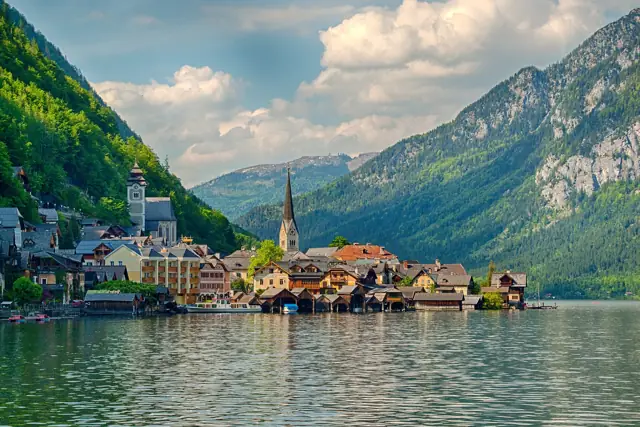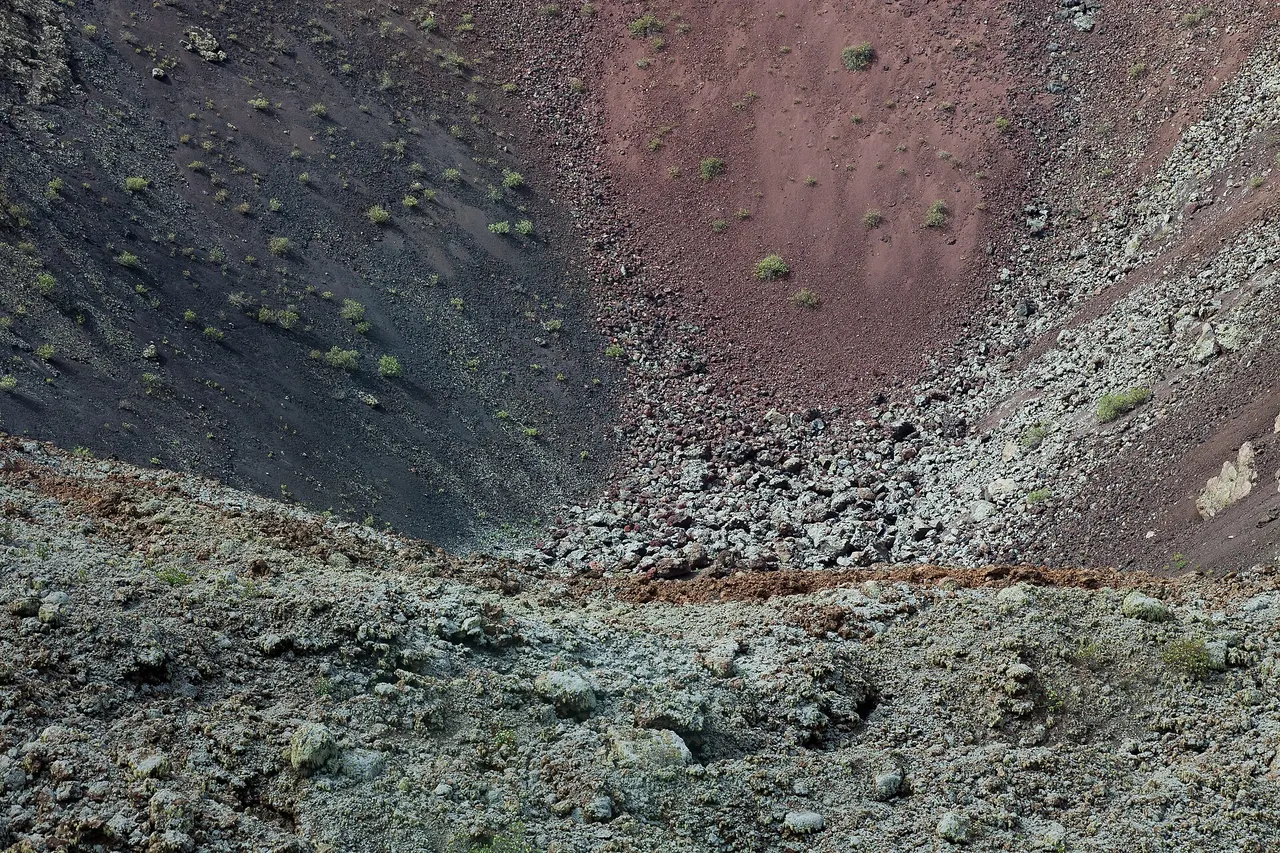
- Tenerife for variety, Gran Canaria for dunes and a big city, Lanzarote for volcanic scenery, Fuerteventura for long sandy beaches
- Winter highs are usually around 20-23 °C, making these Europe's most reliable winter sun
- Flights take about 4-4h30 from the UK and the islands share UK time
- Inter-island ferries make two-centre trips easy
- Airports
- Tenerife South (TFS), Gran Canaria (LPA), Lanzarote (ACE), Fuerteventura (FUE), La Palma (SPC)
- Best time to go
- All year; November-March for winter sun, April-June and September-October for warm, quieter weeks
- Type
- Region
The Canary Islands sit in the Atlantic off the coast of north-west Africa, yet they are part of Spain and use the euro. That position gives them a mild climate all year: winter highs usually sit in the low 20s °C, and summer heat is tempered by the trade winds. For UK travellers they are the closest place to guarantee winter sunshine, with flights of around four hours and no time difference to worry about, as the islands keep the same clock as the UK.
There are seven main islands, each with a very different character. For the rest of Spain, see our Spain guide.
Where to stay
- Tenerife – the largest and most varied island. The south (Costa Adeje, Los Cristianos, Playa de las Américas) has the sunniest weather and most resorts; the greener north has Puerto de la Cruz and the historic town of La Laguna.
- Gran Canaria – Maspalomas has huge sand dunes and lots of family hotels and adults-only resorts, while Las Palmas is a real city with the excellent Las Canteras beach. The mountainous interior is great for walking and driving.
- Lanzarote – black volcanic landscapes and low white houses shaped by the artist César Manrique. Puerto del Carmen, Costa Teguise and Playa Blanca are the main resorts.
- Fuerteventura – the best beaches in the Canaries, with miles of golden sand around Corralejo in the north and Jandía in the south. Windy, so great for surfing, kitesurfing and windsurfing.
- La Palma, La Gomera and El Hierro – smaller, greener and much quieter, for hikers, stargazers and anyone avoiding big resorts.
Things to do
- Teide National Park, Tenerife – Spain's highest mountain and a lunar landscape; take the cable car close to the summit.
- Timanfaya National Park, Lanzarote – coach tours through the lava fields of the 1730s eruptions.
- Maspalomas Dunes, Gran Canaria – a protected desert of sand by the sea.
- Corralejo Natural Park, Fuerteventura – dunes and empty beaches, with boat trips to the tiny island of Lobos.
- Garajonay National Park, La Gomera – ancient laurel forest, easily visited on a day trip by ferry from Tenerife.
- Whale and dolphin watching – boat trips from southern Tenerife to see the pilot whales that live off the coast year-round.
- Stargazing – La Palma and Teide have some of the clearest skies in Europe.
Getting there and around
Direct flights run from airports all over the UK to Tenerife South, Gran Canaria, Lanzarote and Fuerteventura, taking about four hours from London and a little longer from Scotland. La Palma has fewer direct routes. Package holidays are especially good value outside school holidays.
Fred. Olsen and Naviera Armas ferries link the islands, with Tenerife to La Gomera taking under an hour and the short crossing between Lanzarote and Fuerteventura taking around 30 minutes. Inter-island flights are fast for longer hops. Buses cover the main resorts, but a hire car is the best way to explore beyond them.
When to go
Any time. November to March brings the warmest winter weather in Europe, though it can be cloudier in northern areas and the sea is cool at around 19 °C. Summer is hot but rarely extreme on the coast, and the sea reaches around 23-24 °C by September. Christmas, February half-term and Easter are the most expensive weeks.
Top attractions in Canary Islands
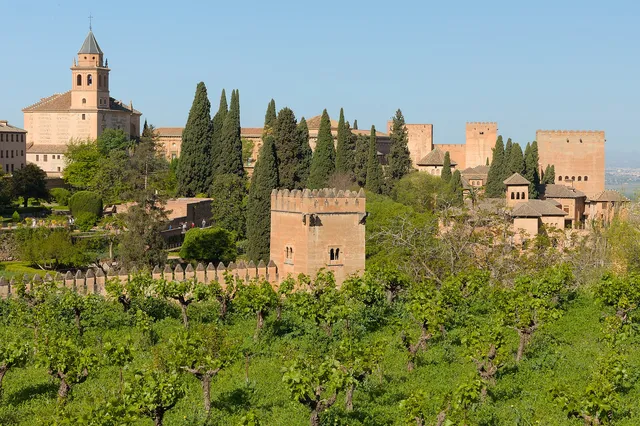 Landmark
Alhambra
A hilltop palace-fortress of carved stucco, tiled courtyards and water gardens, the Alhambra is the high point of…
 Landmark
Park Güell
Gaudí's hillside park of mosaic benches, gingerbread-style lodges and a famous dragon, with sweeping views over…
 Museum
Prado Museum
One of the world's great art museums, the Prado holds Spain's royal collection, from Velázquez's Las Meninas to Goya's…
 Landmark
Real Alcázar
A dazzling Mudéjar palace and gardens in the heart of Seville, still used by the Spanish royal family and famous as the…
 Landmark
Sagrada Família
Gaudí's unfinished basilica, with its forest-like nave and glowing stained glass, is Barcelona's must-book sight.
 Nature
Serra de Tramuntana
A UNESCO-listed mountain range of stone villages, olive terraces and hairpin roads along Mallorca's north-west coast.
Canary Islands on the map
Frequently asked questions
Which Canary Island is warmest in winter?
The south of Gran Canaria and the south of Tenerife are usually the warmest and sunniest in winter, with Fuerteventura and Lanzarote close behind but often windier.
Which Canary Island is best for families?
Tenerife and Gran Canaria have the widest choice of family resorts, water parks and activities. Fuerteventura suits families who just want long, sandy beaches.
Can you visit more than one Canary Island on one trip?
Yes. Ferries and short flights make two-centre trips easy, such as Tenerife with La Gomera or Lanzarote with Fuerteventura.
Written by
Thomas Ski, mountains & expeditions editor
Thomas is happiest above the tree line or below the Antarctic Circle. He writes our ski, mountain and polar expedition guides.
More from ThomasWe research every guide carefully, but prices, opening times and timetables change. Check them shortly before you travel. Links to our booking partners are affiliate links.