- Stay in Shinjuku or Shibuya for nightlife and transport, Asakusa or Ueno for value
- Fly into Haneda if you can, as it is much closer to the city
- Get a Suica or Pasmo card on your phone for trains and convenience stores
- Allow at least four days, plus a day trip to Mount Fuji or Nikko
- Airports
- Tokyo Haneda (HND), Tokyo Narita (NRT)
- Best time to go
- Late March-May and October-November
- Type
- City
Tokyo is huge, but it is not overwhelming once you realise it is a collection of neighbourhoods, each with its own character, joined by one of the best rail networks in the world. You can start the day at a 7th-century temple, have lunch at a counter sushi bar and end it among the neon of Shinjuku, all without ever feeling unsafe. For the wider picture, see our Japan guide.
Where to stay
- Shinjuku – the busiest rail hub in the world, with skyscraper hotels, the tiny bars of Golden Gai and quick links to the airports and Mount Fuji. Ideal for first-timers.
- Shibuya – young, fashionable and lively, near Harajuku and the Meiji Shrine. Great for shopping and nightlife.
- Ginza and Tokyo Station – upmarket, central and convenient for bullet trains to Kyoto. Quieter at night.
- Asakusa and Ueno – older, more traditional Tokyo with lower hotel prices, the Senso-ji temple, museums and parks.
Rooms are small by UK standards, so check the floor area when booking if you are travelling with large suitcases.
Things to do
- Senso-ji, Asakusa – Tokyo's oldest temple, reached through the Kaminarimon gate and a lane of snack stalls. Go early or after dark.
- Meiji Jingu and Harajuku – a peaceful forested shrine next to the youth fashion of Takeshita Street.
- Shibuya Crossing – the famous scramble crossing, best viewed from the Shibuya Sky observation deck at sunset.
- Tsukiji Outer Market – breakfast on fresh sushi and grilled seafood. The wholesale tuna auction moved to Toyosu.
- teamLab digital art museums – immersive light installations; book timed tickets ahead.
- Shinjuku Gyoen – one of the city's best gardens for cherry blossom and autumn leaves.
- Day trips – Mount Fuji and the Fuji Five Lakes, the hot springs of Hakone, the shrines of Nikko or the temples and beaches of Kamakura.
Getting there and around
Direct flights from London Heathrow land at Haneda (HND) in about 14 hours. From Haneda, the Keikyu line or Tokyo Monorail reaches the centre in 20-40 minutes. Narita (NRT) is about an hour out on the Narita Express or Keisei Skyliner, with cheaper limousine and airport buses as an alternative.
In the city, the JR Yamanote loop line and the metro reach almost everywhere. Add a Suica or Pasmo IC card to your phone wallet and tap in and out; it also works in convenience stores and vending machines. Avoid trains at rush hour (roughly 7:30-9:30am) with luggage. Taxis are clean but expensive. The bullet train to Kyoto leaves from Tokyo and Shinagawa stations and takes about two hours fifteen minutes.
When to go
Late March to early April brings cherry blossom and big crowds, and October to November is clear and comfortable, with autumn leaves peaking from late November. Winter is cold but bright and often sunny, with the best chance of seeing Mount Fuji from the city. June is the rainy season, and July and August are hot and humid, often well above 30 °C, though summer festivals and fireworks make up for it.
Top attractions in Tokyo
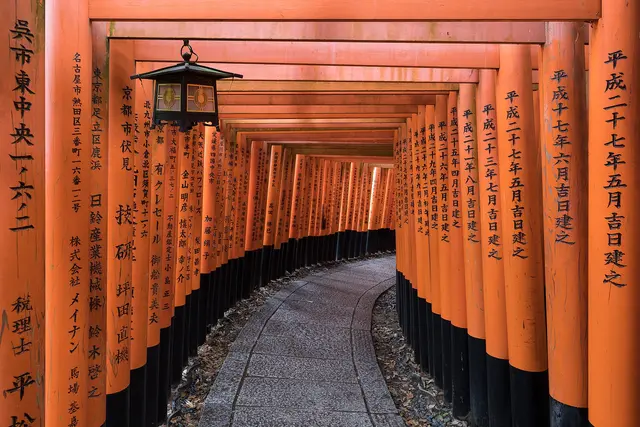 Historic site
Fushimi Inari Shrine
Thousands of vermilion torii gates climbing a wooded mountain in Kyoto, free to visit day and night.
 Nature
Mount Fuji
Japan's highest and most famous mountain, best seen from the Fuji Five Lakes or climbed in the short summer season.
Tokyo on the map
Frequently asked questions
How many days do you need in Tokyo?
Four days covers the main districts at a relaxed pace. Add a fifth for a day trip to Mount Fuji, Hakone, Nikko or Kamakura.
Is Haneda or Narita better for Tokyo?
Haneda, if you can. It is much closer to the centre, quicker and cheaper to reach, and is where the direct flights from London arrive.
Is Tokyo expensive?
Hotels are the main cost. Food can be remarkably cheap, with ramen and set lunches often around ¥1,000-1,500, and public transport is good value.
Written by
Emma City breaks & deals editor
Emma plans city breaks the way other people plan the weekly shop: on a budget, with a spreadsheet and a backup plan. She covers city guides and deal-hunting.
More from EmmaWe research every guide carefully, but prices, opening times and timetables change. Check them shortly before you travel. Links to our booking partners are affiliate links.