- Book the Colosseum and Vatican Museums online, as timed slots sell out
- Stay in the Centro Storico, Monti or Trastevere to walk everywhere
- Stepping down to the Trevi Fountain basin now costs €2
- Avoid August heat and go in spring or autumn
- Airports
- Rome Fiumicino (FCO), Rome Ciampino (CIA)
- Best time to go
- April-June and September-October
- Type
- City
Rome is the ultimate city break: almost 3,000 years of history layered into one walkable centre, with world-class art, sociable piazzas and some of the best simple food in Italy. Flights from the UK take about two and a half hours, and you can be standing in front of the Pantheon by lunchtime.
The trick is to book the big sights in advance, choose a central base and leave time for wandering. This guide shows you how. For the rest of the country, see our Italy guide.
Why go
Nowhere else lets you walk from a Roman amphitheatre to a Baroque fountain to a Renaissance chapel in an afternoon. Rome is also a city for eating well: carbonara, cacio e pepe, Roman-style pizza and gelato are part of the experience. The Vatican, technically its own country, adds Michelangelo's Sistine Chapel and St Peter's Basilica.
Where to stay
- Centro Storico – around the Pantheon, Piazza Navona and Campo de' Fiori. The most atmospheric base, with everything on foot.
- Monti – a characterful neighbourhood of independent shops and wine bars, a short walk from the Colosseum.
- Trastevere – cobbled lanes, ivy-covered houses and lively evenings across the river. Charming but noisy at night in places.
- Prati – a calm, elegant district near the Vatican with good transport links and restaurants popular with locals.
- Around Termini – convenient for the airport train and usually cheaper, but less attractive. Choose carefully.
Rome's centre is compact. Staying central saves time and money on transport, which matters because the metro has only a few lines.
Top things to do
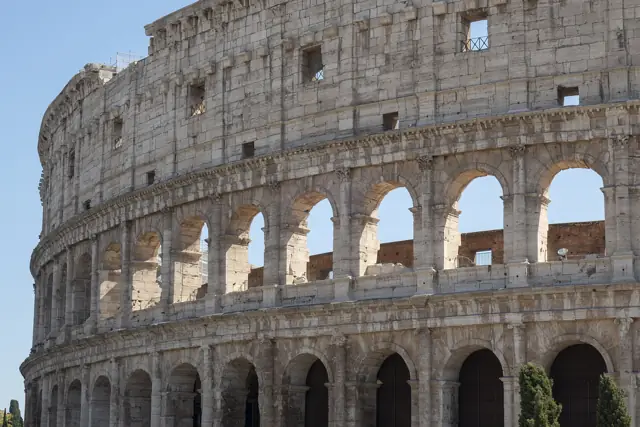
- Colosseum, Roman Forum and Palatine Hill – one 24-hour ticket (from €18 in 2026) covers all three. Book a timed slot on the official site; tickets go on sale 30 days ahead.
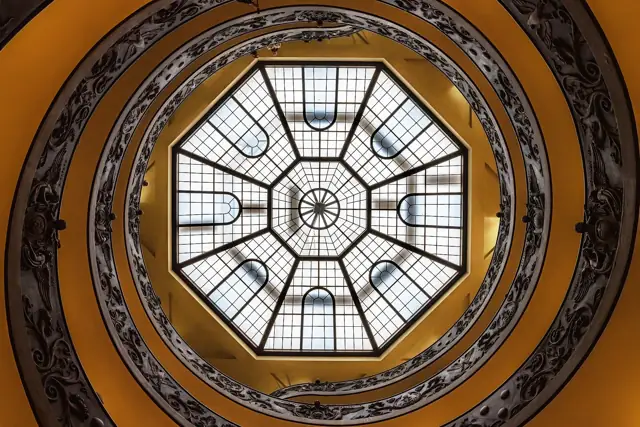
- Vatican Museums and the Sistine Chapel – tickets cost €20, or about €25 booked online with the reservation fee, and online booking is strongly recommended. The museums close on most Sundays.
- St Peter's Basilica – free to enter, with long security queues. Climbing the dome costs extra and rewards you with great views.
- The Pantheon – the best-preserved Roman temple, with its open oculus. There is a small entry fee.
- Trevi Fountain – since February 2026, non-residents pay €2 to step down to the basin during the day; you can still see it free from the piazza and after 10pm.
- Galleria Borghese – Bernini sculptures and Caravaggio paintings in a villa in the Borghese gardens. Pre-booking is compulsory.
- Piazza Navona and the Spanish Steps – classic squares for people-watching (sitting on the Spanish Steps is not allowed).
Getting there and around from the UK
Direct flights run from across the UK to Rome Fiumicino (FCO) and, for some budget airlines, Ciampino (CIA). Flying time is about two hours 30 minutes from London. From Fiumicino, the Leonardo Express train runs non-stop to Termini in about 32 minutes; there is also a cheaper regional train to Trastevere and Ostiense. From Ciampino, airport buses run to Termini.
Most sights are best reached on foot. Buses and trams fill the gaps, and the metro is handy for the Colosseum and the Vatican (Ottaviano stop). You can tap in with a contactless bank card on the metro and many buses.
Best time to visit
April to June and September to October bring warm weather and long days. July and August are very hot and crowded, and many locals leave in mid-August. Winter is cooler and sometimes wet, but quieter, with lower hotel prices. Avoid major religious holidays such as Easter if you dislike crowds.
Budget tips
- Rome charges a city tax per person per night, which varies by hotel category and can reach around €10 at the top end. It is paid at your accommodation.
- Book sights on official websites; resellers can charge much more for the same entry.
- Fill your water bottle at the free nasoni drinking fountains all over the city.
- Eat where locals eat: trattorias away from the main squares are better and cheaper.
- The Colosseum is free on the first Sunday of the month, but very busy. Check current prices and deals before you book.
Top attractions in Rome
 Landmark
Colosseum
Rome's great amphitheatre, where up to 50,000 spectators once watched gladiator fights, is the city's most iconic sight.
 Museum
Vatican Museums
Centuries of papal art collections, Raphael's Rooms and Michelangelo's Sistine Chapel ceiling, in the heart of Vatican…
Rome on the map
Frequently asked questions
How many days do you need in Rome?
Three days covers the Colosseum, the Vatican and the historic centre at a sensible pace. With four or five days you can add the Borghese Gallery, the Appian Way or a day trip to Ostia Antica.
Do I need to book the Colosseum in advance?
Yes. Entry is by timed slot, and tickets often sell out in spring and summer. Book on the official site as soon as your dates open, 30 days ahead.
Is the Trevi Fountain free?
You can see it free from the square above. To walk down to the edge of the basin and throw a coin, non-residents pay €2 during the day.
What is the best way from Fiumicino airport to central Rome?
The Leonardo Express train to Termini takes about 32 minutes. For a hotel in the historic centre, a taxi at the fixed airport fare can be simpler, especially with luggage or in a group.
Written by
Emma City breaks & deals editor
Emma plans city breaks the way other people plan the weekly shop: on a budget, with a spreadsheet and a backup plan. She covers city guides and deal-hunting.
More from EmmaWe research every guide carefully, but prices, opening times and timetables change. Check them shortly before you travel. Links to our booking partners are affiliate links.