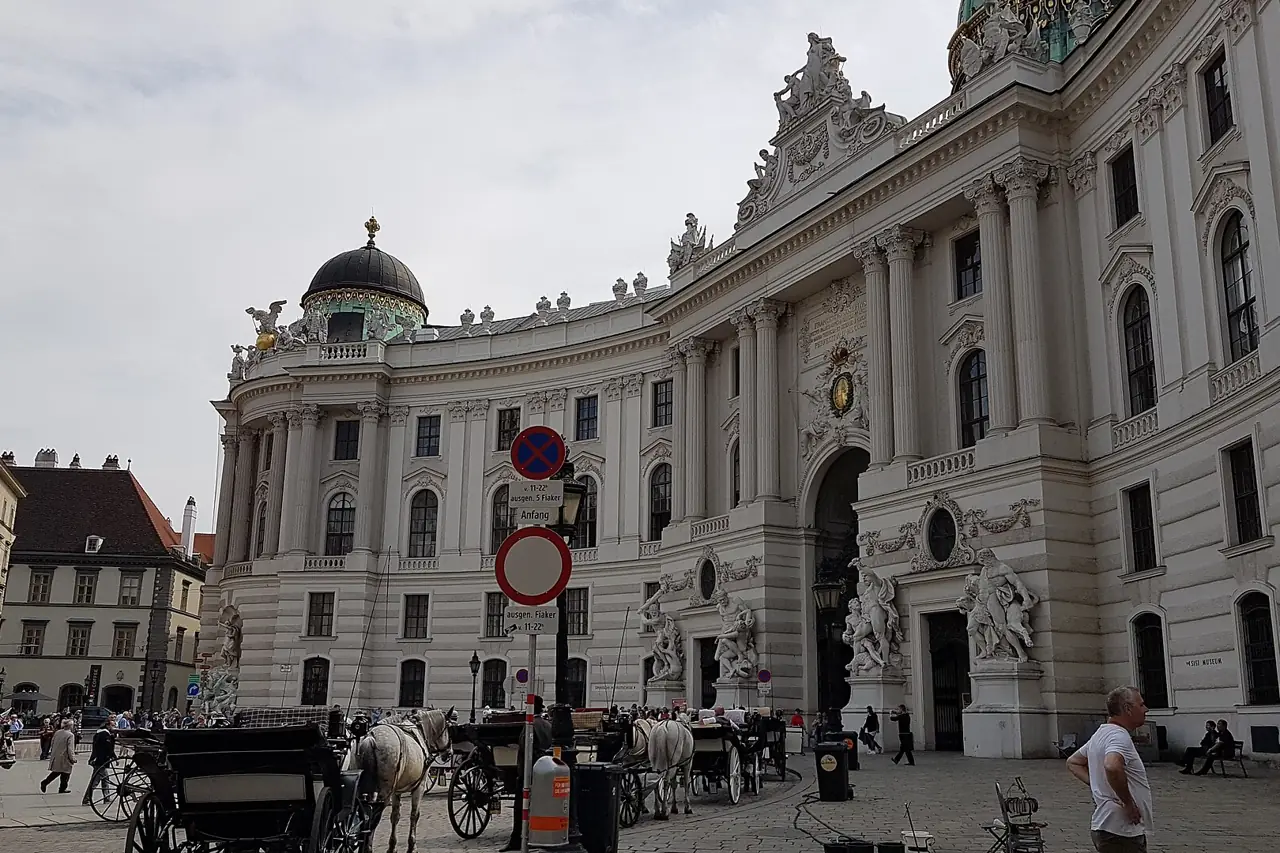
- Stay in or near the Innere Stadt for walkable sightseeing
- Schönbrunn, the Hofburg and the Belvedere are the big three
- The CAT train reaches the centre in 16 minutes, the S-Bahn is cheaper
- Standing tickets at the State Opera cost just a few euros
- Airports
- Vienna International (VIE)
- Best time to go
- April-June, September-October and December for Christmas markets
- Type
- City
Vienna is the city break for people who like their culture with cake. The former capital of the Habsburg empire is all grand boulevards, palaces and museums, yet it is easy to get around, feels very safe and still has an affordable side if you know where to look.
Three days is the sweet spot for a first visit: enough for the imperial sights, a concert or opera and a long afternoon in a coffee house, which the Viennese treat as an institution rather than a quick caffeine stop.
Why go to Vienna
- Imperial grandeur: the Hofburg, Schönbrunn Palace and the Belvedere are among Europe's finest palace complexes.
- Music everywhere: Mozart, Beethoven, Strauss and the Vienna State Opera, with cheap standing places most nights of the season.
- Coffee-house culture: Café Central, Sacher and Hawelka are famous, but any traditional café lets you linger for hours over one Melange.
- Easy and efficient: compact centre, superb trams and U-Bahn, and a short flight from the UK.
Where to stay
| Area | Why stay there |
|---|---|
| Innere Stadt (1st district) | Inside the Ring, steps from St Stephen's Cathedral and the Hofburg. Most expensive. |
| Neubau and Mariahilf (6th/7th) | Creative, lively, near the MuseumsQuartier and Naschmarkt. Good value. |
| Leopoldstadt (2nd) | Across the Danube Canal, close to the Prater and Karmelitermarkt. |
| Wieden (4th) | Quiet, elegant, walkable to the Karlskirche and the Opera. |
| Near Hauptbahnhof (10th) | Handy for trains and usually cheaper; U1 to the centre in minutes. |
Hotels just outside the Ring along a U-Bahn line are often noticeably cheaper than the 1st district and only a few stops away.
Top things to do
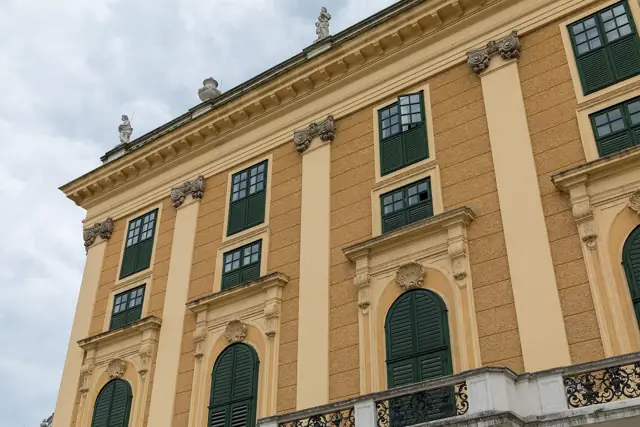
- Schönbrunn Palace: the Habsburg summer residence, with state rooms, formal gardens and the Gloriette viewpoint. Book a timed slot.
- The Hofburg: the Imperial Apartments, Sisi Museum and Silver Collection, plus the Spanish Riding School next door.
- St Stephen's Cathedral: climb the south tower or take the lift up the north tower for rooftop views.
- Upper Belvedere: home to Klimt's The Kiss and a fine baroque garden.
- MuseumsQuartier and the Kunsthistorisches Museum: old masters, modern art and buzzy courtyards.
- The Prater: ride the historic Riesenrad Ferris wheel, then walk the long chestnut avenue.
- Naschmarkt: food stalls and cafés, best on Saturday when the flea market runs alongside.
- A Heuriger evening: tram out to Grinzing or Nussdorf for young wine in the vineyards on the edge of the city.
Heading to the mountains too? Pair your city break with a ski or hiking week in Tyrol. See our Austria guide for more.
Getting there and around from the UK
Direct flights take about 2h20 from London, with several airlines flying from Heathrow, Gatwick, Stansted and Luton, plus some regional UK airports. From Vienna Airport, the CAT express runs non-stop to Wien Mitte in 16 minutes; the S7 S-Bahn is slower (about 25 minutes) but much cheaper. Railjet trains also run to the Hauptbahnhof.
Prefer the train? Take Eurostar to Brussels or Amsterdam and connect to the ÖBB Nightjet sleeper to Vienna: a slow but memorable journey.
In town, Wiener Linien's U-Bahn, trams and buses cover everything. A 24-, 48- or 72-hour ticket is good value if you are using transport more than a few times a day.
Best time to visit
April to June and September to October bring mild weather and lighter crowds. From mid-November to Christmas, the markets at Rathausplatz, Schönbrunn and Spittelberg are a big draw, so book early. January and February are cold but are the height of the ball season, and hotel prices dip. July and August can be hot, and the State Opera takes its summer break.
Budget tips
- Standing places at the State Opera cost just a few euros; queue on the day or check the online sale.
- Eat at a Würstelstand or the Naschmarkt rather than in Ring-side restaurants.
- Use a timed transport ticket instead of singles, and walk the compact centre.
- Look at a city card such as the Vienna City Card or Vienna Pass, but only if you will visit several paid sights; check current prices.
- Free sights: St Stephen's nave, the Naschmarkt, the Prater park and the Danube Island cost nothing.
Top attractions in Vienna
Vienna on the map
Frequently asked questions
How many days do you need in Vienna?
Three days covers the main palaces, a couple of museums and a concert at a relaxed pace. With four or five days you could add a day trip to Bratislava or the Wachau valley.
How do I get from Vienna Airport to the city centre?
The CAT express takes 16 minutes to Wien Mitte. The S7 S-Bahn costs far less and takes around 25 minutes, and Railjet trains run to the Hauptbahnhof.
Is Vienna expensive?
It is mid-priced for a Western European capital. Hotels in the 1st district and coffee-house cake add up, but transport is good value and many sights and parks are free.
When are the Vienna Christmas markets?
Most run from mid-November until around 23-26 December, with some staying open into the New Year. Check current dates for the market you want to visit.
Written by
Emma City breaks & deals editor
Emma plans city breaks the way other people plan the weekly shop: on a budget, with a spreadsheet and a backup plan. She covers city guides and deal-hunting.
More from EmmaWe research every guide carefully, but prices, opening times and timetables change. Check them shortly before you travel. Links to our booking partners are affiliate links.


