- Budapest is one of Europe's best-value city breaks
- Thermal baths, from Budapest's grand spas to Hévíz's warm lake, are a national pastime
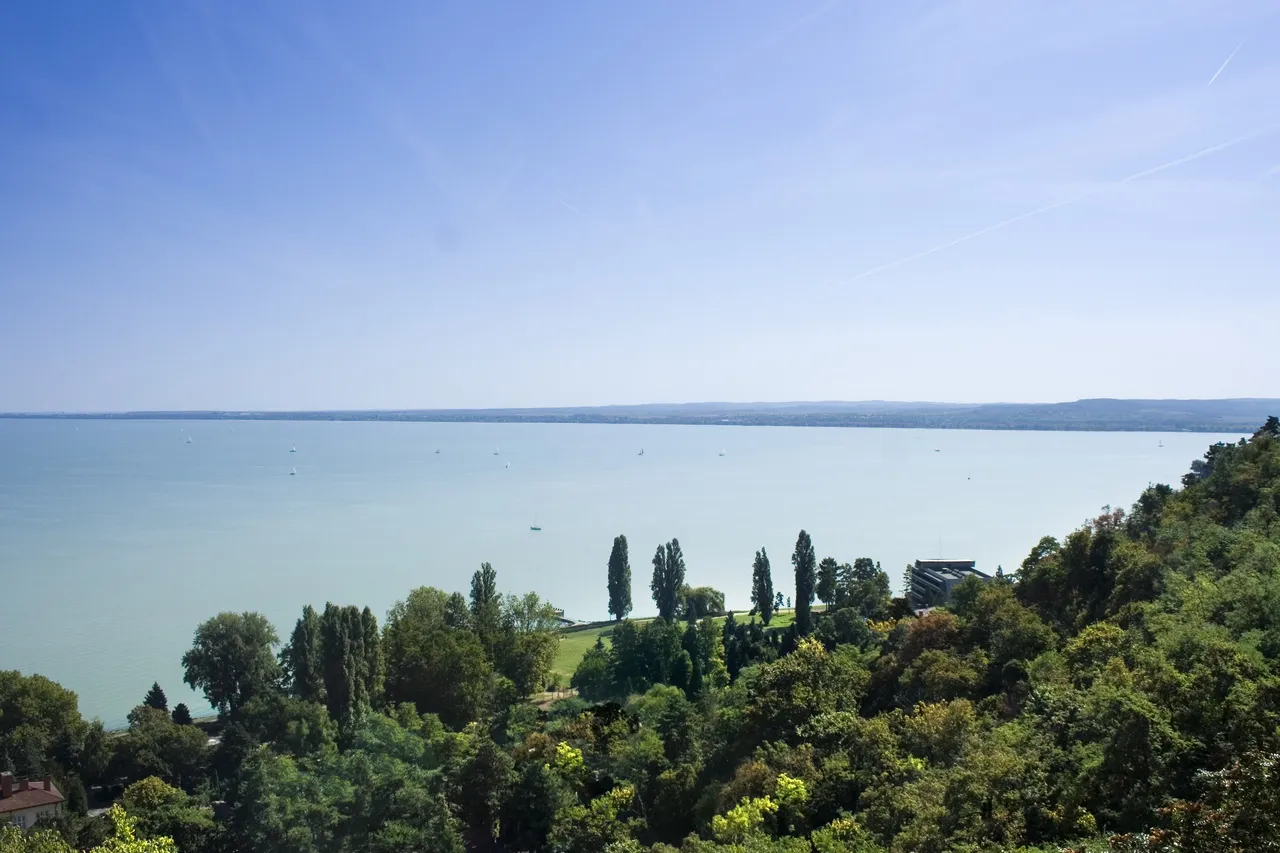
- Lake Balaton is Hungary's summer playground
- Hungary uses the forint, not the euro
- Airports
- Budapest Ferenc Liszt (BUD), Debrecen (DEB)
- Flight time
- about 2h20 from London to Budapest
- Best time to go
- April-June and September-October; December for Christmas markets
- Currency
- Hungarian forint (HUF)
Hungary is best known for Budapest, and the capital alone justifies a trip: grand boulevards, a spectacular stretch of the Danube and thermal baths where locals have soaked for centuries. But beyond the city lies a country of gentle hills and vineyards, baroque towns and Central Europe's largest lake, where Hungarian families decamp every summer.
It's an easy, affordable destination from the UK, with plenty of flights, great food and wine, and a strong spa culture that makes it appealing all year round.
Where to go in Hungary
Budapest
Split by the Danube into hilly Buda and flat, buzzing Pest, Budapest is one of Europe's most beautiful capitals. Tour the neo-Gothic Hungarian Parliament, soak in the outdoor pools of the Széchenyi Baths, climb Castle Hill for the view and spend an evening in the famous ruin bars of the old Jewish Quarter.
Lake Balaton
About 90 minutes south-west of Budapest, Lake Balaton is shallow, warm in summer and lined with resorts. The south shore, around Siófok, is busy and family-friendly with sandy entries to the water; the north shore is prettier, with vineyards, volcanic hills and the Tihany peninsula's abbey and lavender fields.
Hévíz and the spa towns
Near the western tip of Balaton, Hévíz has one of the largest thermal lakes in the world suitable for swimming, warm enough to bathe in even in winter. Hungary has hundreds of thermal springs, so spa hotels are a big draw across the country.
Eger and Tokaj
Eger, north-east of Budapest, is a handsome baroque town with a hilltop castle, a minaret from Ottoman times and the Valley of the Beautiful Women, lined with wine cellars serving the red known as Bull's Blood. Further east, Tokaj produces the golden sweet wine once called "the wine of kings, the king of wines".
The Danube Bend
Just north of Budapest, the Danube swings through wooded hills. Artsy Szentendre, the castle ruins of Visegrád and the vast basilica at Esztergom make an easy day out by train, bus or summer river boat.
Pécs and the Great Plain
In the south, sunny Pécs has Roman-era tombs, a mosque turned church and a relaxed university atmosphere. To the east, Hortobágy National Park preserves the puszta, the Great Hungarian Plain, with horse shows, grey cattle and huge skies.
Best time to visit Hungary
- Spring (April-June): pleasant temperatures, blossom and outdoor terraces reopening. Ideal for Budapest and the Danube Bend.
- Summer (July-August): hot, often above 30°C, with Lake Balaton in full swing and festivals such as Budapest's Sziget in August.
- Autumn (September-October): our favourite, with warm days, the grape harvest and wine festivals in Eger, Tokaj and Budapest.
- Winter (November-March): cold and sometimes snowy, but perfect for steaming outdoor thermal pools and Budapest's Christmas markets. See our best Christmas markets in Europe.
Visiting in winter? An outdoor thermal bath on a frosty morning, with steam rising off the water, is one of Hungary's great experiences.
Getting to Hungary from the UK
Flights from London to Budapest take about 2h20, with direct services from many UK regional airports and plenty of competition on fares. Budapest is also well connected by rail: Vienna is about 2h40 away, and you can combine the two with Prague; see our Prague, Budapest and Vienna by train itinerary.
Hungary is in the Schengen area, so the 90 days in any 180 rule applies. Your passport must have been issued within the last 10 years and be valid for at least three months beyond your departure date. The EU's Entry/Exit System has been fully operational since April 2026, so you'll register your fingerprints and photo the first time you cross a Schengen border. ETIAS is not yet required; read our EES and ETIAS explainer.
Getting around
Hungary's rail network radiates from Budapest, with regular trains to Lake Balaton, Eger, Pécs and the Danube Bend; long-distance buses fill the gaps. In summer, ferries cross Lake Balaton and boats sail up the Danube from Budapest. Driving is straightforward, but motorways require an electronic vignette (matrica), which hire cars normally include; check before you set off.
Money and costs
Hungary uses the forint (HUF). Cards are widely accepted, but carry some cash for markets, small cafés and rural areas. Some tourist businesses accept euros, though usually at an unfavourable rate. Use bank-run ATMs rather than standalone cash machines, which charge high fees, and always choose to pay in forints.
Budapest has become pricier, but food, wine, transport and spa visits remain good value compared with London or Vienna. Budapest charges a tourist tax of 4% of the room price, added to your accommodation bill; check the current rate when booking. Many Budapest restaurants add a service charge of 10-15% to the bill, so check before tipping; otherwise around 10% is normal.
Top attractions in Hungary
 Landmark
Hungarian Parliament
Budapest's neo-Gothic riverside parliament, the largest building in Hungary, home to the Holy Crown and a gilded domed…
 Landmark
Széchenyi Baths
A grand neo-Baroque thermal spa in Budapest's City Park, with steaming outdoor pools, saunas and a famous chess-playing…
Hungary on the map
Frequently asked questions
Does Hungary use the euro?
No. The currency is the Hungarian forint (HUF). You can pay by card almost everywhere in Budapest, but it's worth having some forints for smaller places.
How many days do you need in Hungary?
Three or four days suits a Budapest city break. A week lets you add Lake Balaton, Eger or the Danube Bend, and ten days is enough to combine Budapest with Vienna and Prague.
Is Lake Balaton worth visiting?
Yes, especially in summer, when the water is warm and the north shore's vineyards and villages are at their best. It's also an easy day trip from Budapest by train.
Is Hungary cheap for UK visitors?
Generally, yes. Eating out, public transport and thermal baths cost less than in the UK, although central Budapest hotels and bars aimed at tourists can be pricier than you might expect.
Written by
Anna Beach, family & practical travel editor
Anna knows which beach has shade at 3pm and which car hire excess is a rip-off. She covers sun, islands, family trips and practical travel tips.
More from AnnaWe research every guide carefully, but prices, opening times and timetables change. Check them shortly before you travel. Links to our booking partners are affiliate links.
