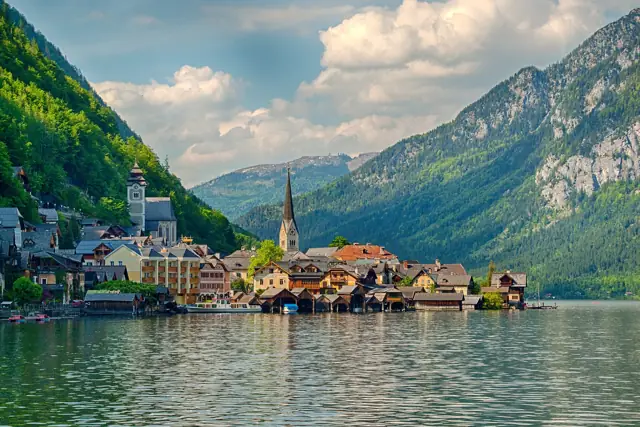
- Spend a few nights in Florence, then move to a countryside base in Chianti or the Val d'Orcia
- Pisa airport usually has more UK flights than Florence
- Trains and buses link the cities, but you need a car for the hill towns and wineries
- Watch out for ZTL limited traffic zones, which bring hefty fines for drivers
- Airports
- Florence (FLR), Pisa (PSA)
- Best time to go
- May-June and September-October
- Type
- Region
Tuscany is many people's idea of the perfect Italian holiday. It has Florence, the cradle of the Renaissance, plus walled hill towns, Chianti vineyards, olive groves and the rolling, cypress-dotted landscape of the Val d'Orcia. Long lunches, a glass of local wine and a stone farmhouse with a pool are all part of the appeal.
The best trips combine a short city stay with a slower spell in the countryside. For the rest of the country, see our Italy guide.
Where to stay
- Florence – unbeatable for art and architecture, and well connected by train. Stay in the historic centre or across the river in the Oltrarno for a quieter feel.
- Chianti – the wine country between Florence and Siena, with villages such as Greve, Radda and Castellina. Ideal for a villa or agriturismo (farm stay) within reach of both cities.
- Siena – a beautiful Gothic city centred on the shell-shaped Piazza del Campo, home of the Palio horse race on 2 July and 16 August.
- Val d'Orcia – a UNESCO-listed landscape of rolling hills around Pienza, Montalcino and Montepulciano, famous for Brunello and Vino Nobile wines.
- Lucca – a relaxed city inside complete Renaissance walls that you can walk or cycle around, close to Pisa airport.
- The coast – the Maremma and the island of Elba offer beaches and nature reserves that many visitors miss.
Things to do
- Florence Cathedral – climb Brunelleschi's dome for views over the terracotta rooftops.
- Uffizi Gallery – Botticelli, Leonardo and Michelangelo; book a timed slot.
- Siena – the Duomo, the Piazza del Campo and the Torre del Mangia.
- San Gimignano – a medieval hill town of tall stone towers. Visit early or late to avoid tour groups.
- Pisa – the Leaning Tower and Piazza dei Miracoli, an easy stop on the way to or from the airport.
- Wine tasting – visit estates in Chianti, Montalcino and Montepulciano, and book ahead in summer.
- Thermal pools – the hot springs at Saturnia and Bagno Vignoni.
Our Florence in two days itinerary helps plan the city part of your trip.
Getting there and around
Pisa airport usually has the widest choice of UK flights, around two hours from London, with a fast shuttle train to Pisa Centrale and onward trains to Florence in about an hour. Florence airport is closer to the city but has fewer UK routes. Bologna, about 40 minutes from Florence by high-speed train, is another option.
Trains link Florence with Pisa, Lucca and Arezzo, and fast buses run to Siena in about 75 minutes. To explore the countryside, a hire car is essential. Avoid driving into historic centres: most have ZTL zones enforced by cameras, and fines are often sent to you months later via the hire company.
When to go
May, June, September and October offer warm days, greenery or the grape harvest, and fewer crowds. July and August are hot (often 35 °C or more in Florence) and busy, though countryside villas with pools come into their own. Winter is quiet and atmospheric in the cities, but many country hotels and restaurants close.
Top attractions in Tuscany
 Landmark
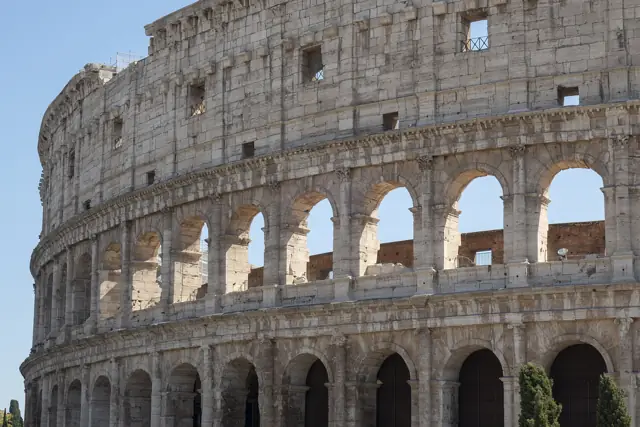
Colosseum
Rome's great amphitheatre, where up to 50,000 spectators once watched gladiator fights, is the city's most iconic sight.
 Landmark
Florence Duomo
Florence's cathedral, crowned by Brunelleschi's record-breaking dome, is the symbol of the city, with the bell tower…
 Nature
Mount Etna
Europe's tallest active volcano, with lava fields, craters and sweeping views over eastern Sicily.
 Nature
Path of the Gods
A spectacular cliff-top trail high above the Amalfi Coast, with views over Positano and out to Capri, that is free to…
 Landmark
Pompeii
The Roman town buried by Vesuvius in AD 79, Pompeii is the most complete ancient city in the world and an unforgettable…
 Viewpoint
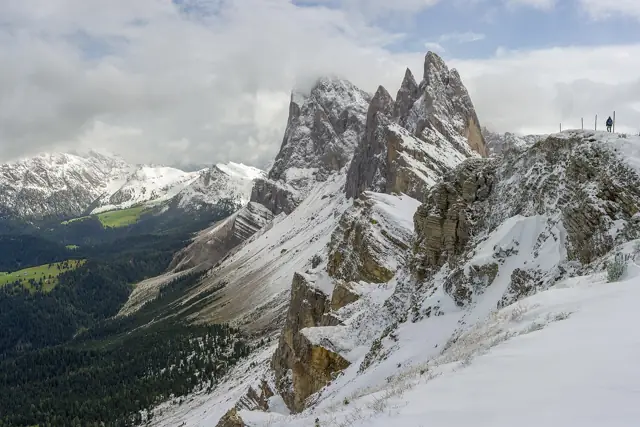
Seceda
A grassy ridge above Val Gardena that drops away in a dramatic wall of jagged peaks, reached by cable car from Ortisei.
Tuscany on the map
Frequently asked questions
How many days do you need in Tuscany?
A week is a good minimum: two or three nights in Florence and four or five in the countryside. Ten days lets you add the Val d'Orcia or the coast.
Do you need a car in Tuscany?
Not for Florence, Pisa, Lucca or Siena, which are linked by train and bus. You do need one for the hill towns, wineries and rural accommodation.
What is an agriturismo?
A working farm that offers accommodation, often with home-produced food, wine and olive oil. They range from simple rooms to smart estates with pools, and are a lovely way to experience the Tuscan countryside.
Written by
Anna Beach, family & practical travel editor
Anna knows which beach has shade at 3pm and which car hire excess is a rip-off. She covers sun, islands, family trips and practical travel tips.
More from AnnaWe research every guide carefully, but prices, opening times and timetables change. Check them shortly before you travel. Links to our booking partners are affiliate links.