- Direct overnight flights from Heathrow to Nairobi, with just two or three hours' time difference
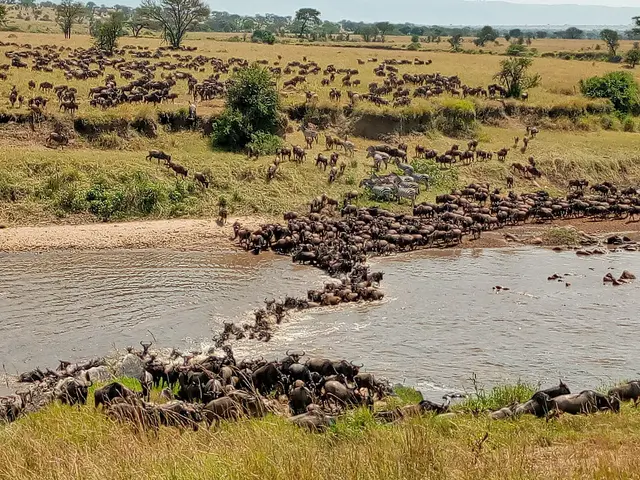
- The Maasai Mara is the headline, best for river crossings from July to October
- British visitors need an eTA before travel
- Finish with a few days on the beach at Diani or Watamu
- Airports
- Nairobi Jomo Kenyatta (NBO), Mombasa (MBA)
- Flight time
- about 8h30 direct from London to Nairobi
- Best time to go
- July-October for the Great Migration; January-February for dry, quieter safaris
- Currency
- Kenyan shilling (KES)
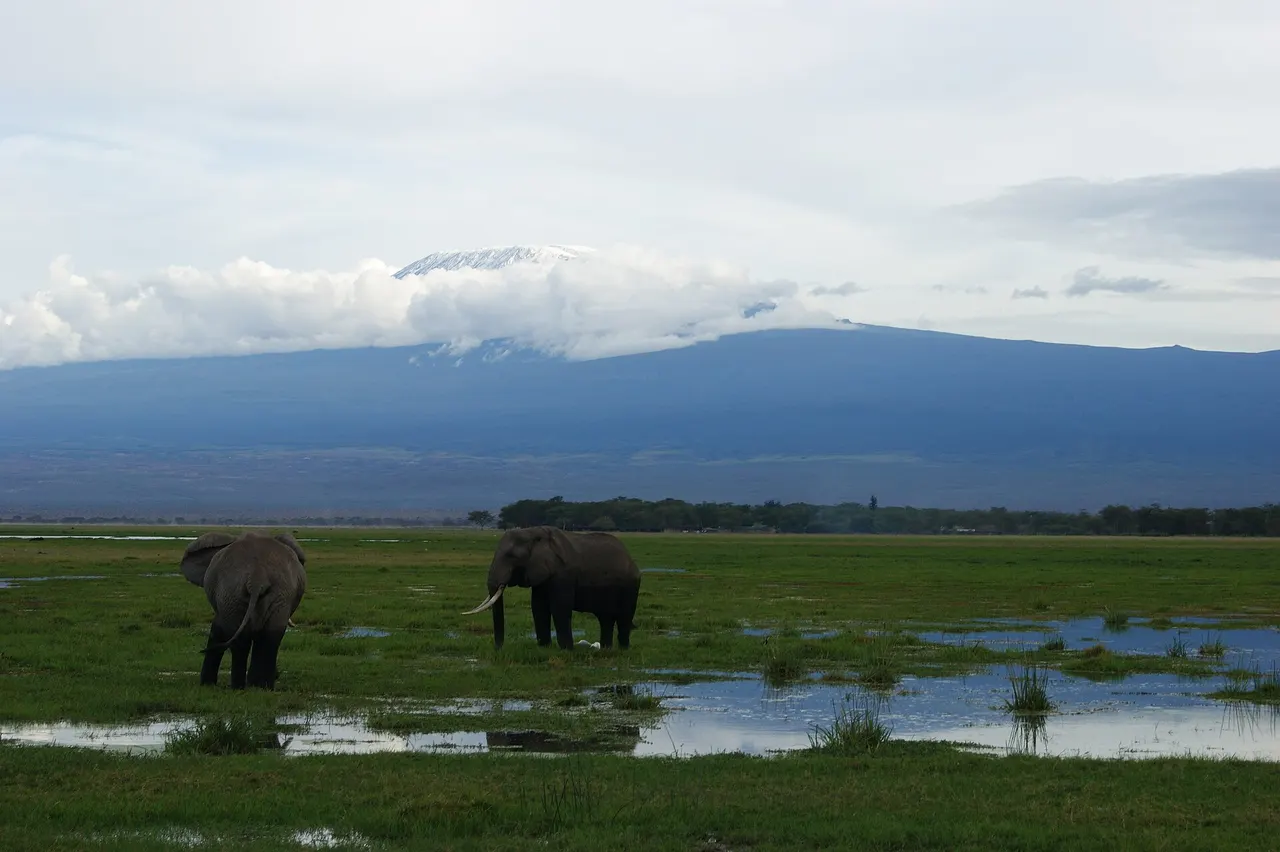
Kenya is where the modern safari began, and it still delivers the scenes most people picture: lions on open grassland, elephants beneath Kilimanjaro and, from July to October, the wildebeest of the Great Migration crossing the Mara River. Because Nairobi is a direct overnight flight from London, it is also one of the quickest ways to get from the UK into the African bush.
Beyond the game parks, Kenya has a long Indian Ocean coast of white sand and coral reef, plus the Swahili old towns of Lamu and Mombasa. This guide, one of our Africa destinations, covers where to go, when, how to get there and what a safari really costs.
Where to go in Kenya
The Maasai Mara
The Maasai Mara is Kenya's most famous reserve and the northern end of the Serengeti ecosystem. Big cats are seen almost daily. Many of the best camps sit in the private conservancies along the reserve's borders, which limit vehicle numbers and allow walking safaris and night drives.
Amboseli
Amboseli is smaller and drier, but it is the place for photographs of large elephant herds with Kilimanjaro behind them. The mountain is in Tanzania and often hides in cloud by midday, so early mornings are best.
Samburu and Laikipia
North of Mount Kenya, the semi-desert of Samburu has species you will not see in the south, including reticulated giraffe, Grevy's zebra and the gerenuk. Laikipia's private ranches, including Ol Pejeta with its rhino sanctuary, offer exclusive, low-density safaris and activities such as horse riding and walking.
Nairobi and the Rift Valley
Most trips start in Nairobi. Spend half a day at the elephant orphanage run by the Sheldrick Wildlife Trust and the Giraffe Centre. Lake Nakuru and Lake Naivasha in the Rift Valley make good stops on the drive to the Mara.
The coast
Diani Beach, south of Mombasa, has long white sands and good-value resorts; Watamu and Malindi further north have marine parks for snorkelling; and Lamu is a car-free Swahili island with a slow pace. A few days by the sea is the natural end to a safari.
Best time to visit Kenya
| Season | What to expect |
|---|---|
| January-March | Hot and dry, excellent game viewing, fewer visitors than summer |
| April-May | Long rains; many camps close or discount heavily; green and quiet |
| June-October | Cool, dry peak season; the Great Migration is usually in the Mara from about July to October |
| November-December | Short rains, usually brief afternoon showers; good value outside Christmas |
The coast is hot all year and wettest in April and May.
Getting to Kenya from the UK
Kenya Airways and British Airways fly direct from Heathrow to Nairobi in about eight and a half hours, usually overnight. One-stop routes via Amsterdam, Doha, Dubai, Istanbul or Addis Ababa can be cheaper. To reach the coast, connect in Nairobi for a one-hour flight to Mombasa, Ukunda (for Diani) or Malindi. Kenya is two hours ahead of the UK in summer and three in winter.
Entry requirements
British passport holders need an Electronic Travel Authorisation (eTA), applied for online through the official Kenyan government site before travel. The fee has been around US$30-35, and you should apply at least a few days ahead. Your passport should be valid for at least six months. A yellow fever certificate is required if you arrive from a country with a risk of yellow fever. Rules change, so check GOV.UK foreign travel advice before booking.
Getting around
Most safari visitors either join an organised tour by road in a pop-top minivan or a Land Cruiser, or fly between parks on light aircraft from Nairobi's Wilson Airport. The drive from Nairobi to the Mara takes five to six hours on mixed roads, while the flight takes under an hour. Soft bags are required on light aircraft, with a limit of about 15kg per person including hand luggage. Self-driving is possible but not recommended for a first trip.
Money and costs
Park fees are a big part of the cost. The Maasai Mara National Reserve charges non-residents around US$100-200 per adult per day depending on the season (2026), and the conservancies have their own fees, usually built into camp rates. Group camping safaris start from about £150-200 per person per day, mid-range lodges are typically £300-600 per person per night all-inclusive, and top conservancy camps can be over £1,000. Many safari prices are quoted in US dollars. Tip guides, drivers and camp staff at the end of your stay; your operator will suggest amounts.
Top attractions in Kenya
Kenya on the map
Frequently asked questions
When is the best time to see the Great Migration in Kenya?
The herds usually arrive in the Maasai Mara in July and stay until around October, with river crossings most likely in August and September. Timing varies with the rains each year.
Is Kenya or Tanzania better for a first safari?
Kenya has direct flights and shorter transfers, and the Mara alone can deliver a superb trip in three or four nights. Tanzania has the vast Serengeti and Ngorongoro, and Zanzibar for the beach. Our first safari guide compares them in detail.
Do I need malaria tablets for Kenya?
Malaria is present in much of Kenya, including the Mara and the coast, though Nairobi itself is lower risk. Get advice from a travel clinic around six to eight weeks before you go.
How many days do I need for a Kenya safari?
Four to six nights on safari is a good first trip, for example three nights in the Mara and two in Amboseli or Samburu. Add four or five nights at the coast to make it a full holiday.
Written by
Emma City breaks & deals editor
Emma plans city breaks the way other people plan the weekly shop: on a budget, with a spreadsheet and a backup plan. She covers city guides and deal-hunting.
More from EmmaWe research every guide carefully, but prices, opening times and timetables change. Check them shortly before you travel. Links to our booking partners are affiliate links.