- Machu Picchu tickets are timed and capped, so book weeks or months ahead in the dry season
- Spend two or three days acclimatising in Cusco or the Sacred Valley before any trek
- There are no direct flights from the UK; connect via Madrid, Amsterdam or a US hub
- May to September is dry in the Andes, but also the busiest and priciest time
- Airports
- Lima Jorge Chávez (LIM), Cusco (CUZ)
- Flight time
- about 15-17h with one stop from London to Lima
- Best time to go
- May-September (Andean dry season); December-March for the coast
- Currency
- Peruvian sol (S/, PEN)
Peru is the country most people picture when they think of South America. The Inca citadel of Machu Picchu draws the crowds, but the trip around it is just as memorable: colonial Cusco at 3,400 metres, terraced valleys farmed for centuries, the vast blue of Lake Titicaca and a capital, Lima, that has become one of the world's great food cities. It is one of our South America guides and the natural starting point for a first trip to the continent.
It is not a lazy beach holiday. Altitude, long distances and limited tickets for the headline sights mean Peru rewards planning more than most places. This guide covers where to go, when to travel, flights from the UK and what a trip costs in 2026.
Where to go in Peru
Cusco and the Sacred Valley
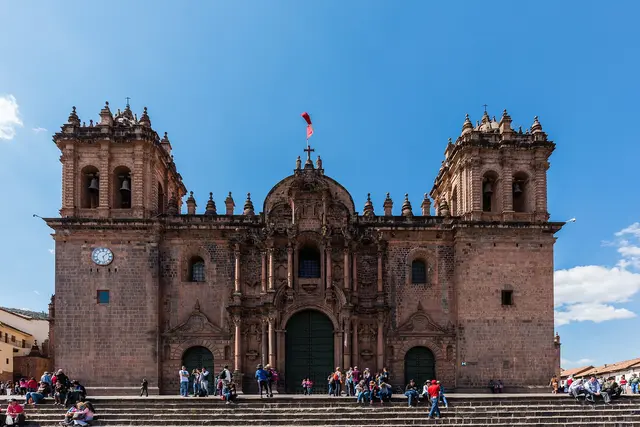
Cusco was the capital of the Inca empire and is now the base for almost every visit to the Andes. Its Spanish churches sit on Inca stone foundations, and the surrounding Sacred Valley, with the market town of Pisac, the fortress at Ollantaytambo and the salt pans of Maras, is slightly lower and a gentler place to acclimatise.
Machu Picchu
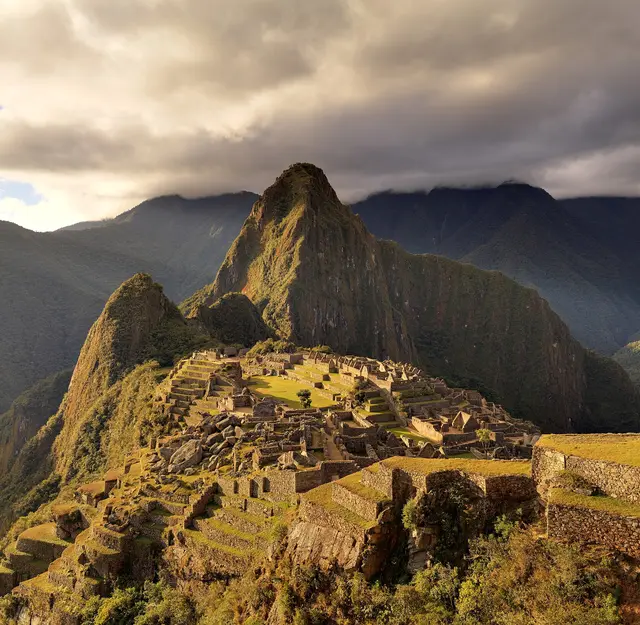
Machu Picchu sits on a ridge above the Urubamba river, reached by train to Aguas Calientes then a short bus ride, or on foot along the Inca Trail. Entry is by timed ticket on set circuits, so this is the one thing to book before anything else.
Lima
Most international flights land in Lima. Give it at least a day: the clifftop districts of Miraflores and Barranco are pleasant bases, the historic centre is a UNESCO site, and the ceviche, Nikkei (Japanese-Peruvian) and Chifa (Chinese-Peruvian) cooking alone justify the stop.
Lake Titicaca and Arequipa
Puno, on the shore of Lake Titicaca at about 3,800 metres, is the base for visiting the floating Uros reed islands and staying with families on Amantaní or Taquile. White-stone Arequipa, in the south, is the gateway to the Colca Canyon, where Andean condors ride the thermals in the morning. Titicaca also borders Bolivia, so it is a common crossing point for longer routes.
The Amazon
Around 60 per cent of Peru is rainforest. Puerto Maldonado, a short flight from Cusco, has lodges along the Tambopata river for wildlife trips of three or four days, while Iquitos in the north is the base for river cruises.
Best time to visit Peru
| Season | What to expect |
|---|---|
| Dry season (May-September) | Clear, sunny days and cold nights in the Andes; peak season for Machu Picchu and the Inca Trail |
| Shoulder (April, October-November) | Fewer crowds, mostly good weather, some showers |
| Wet season (December-March) | Afternoon rain in the Andes, green landscapes; Inca Trail closed in February for maintenance |
| Coast (December-March) | Lima's sunny summer; from June to October the coast is often grey and misty |
June to August overlaps with UK school holidays and festivals such as Inti Raymi in Cusco on 24 June, so book flights and Machu Picchu tickets early.
Getting to Peru from the UK
There are no direct flights from the UK to Peru. The usual routes are with Iberia via Madrid, KLM via Amsterdam, Air France via Paris, LATAM via São Paulo or a US airline via Miami, Houston or Atlanta. Expect about 15 to 17 hours door to door to Lima, more with a tight connection. To reach Cusco, add a domestic flight of about 1h20 from Lima with LATAM, Sky Airline or JetSMART.
Entry requirements
British passport holders can usually visit Peru as tourists without a visa, with the length of stay decided at the border (often up to 90 days, sometimes up to 183). Your passport should be valid for at least six months on arrival. Entry rules change, so check GOV.UK foreign travel advice for Peru before you book and again before you fly.
Getting around
Distances are long and roads through the Andes are slow, so most visitors fly between Lima, Cusco, Arequipa and Puerto Maldonado. Comfortable long-distance coaches run by companies such as Cruz del Sur cover Lima to Arequipa and Arequipa to Puno. PeruRail and Inca Rail run the trains to Machu Picchu, and the scenic PeruRail service links Cusco with Puno.
Money and costs
The currency is the Peruvian sol. Peru is good value away from the big tourist hotels: a set lunch (menú) in a local restaurant can cost around S/15-25. Allow roughly £50-70 per person per day for a mid-range trip, excluding flights, Machu Picchu and tours, or around £35 on a tight budget. Big-ticket costs are the Machu Picchu train (often US$70 or more each way) and an organised Inca Trail trek. Tipping 10 per cent in restaurants is normal, and guides and porters on treks expect tips.
Top attractions in Peru
Peru on the map
Frequently asked questions
How many days do you need in Peru?
Ten days covers Lima, Cusco, the Sacred Valley and Machu Picchu at a comfortable pace with time to acclimatise. Two weeks lets you add Lake Titicaca or Arequipa, and three weeks the Amazon.
Will I get altitude sickness in Cusco?
Many people feel breathless or get headaches for the first day or two at 3,400 metres. Take it easy, drink water, avoid heavy alcohol at first and consider starting in the lower Sacred Valley. Speak to a GP or travel clinic about medication before you go.
Do I need to book Machu Picchu in advance?
Yes. Daily numbers are capped and tickets for popular circuits and Huayna Picchu sell out weeks or months ahead from May to September. Inca Trail permits go even faster.
Is Peru safe for tourists?
Most visits are trouble-free, but petty theft is common in busy areas and protests can disrupt roads and railways at short notice. Use registered taxis or apps, keep valuables out of sight and follow local news and GOV.UK advice.
Written by
Thomas Ski, mountains & expeditions editor
Thomas is happiest above the tree line or below the Antarctic Circle. He writes our ski, mountain and polar expedition guides.
More from ThomasWe research every guide carefully, but prices, opening times and timetables change. Check them shortly before you travel. Links to our booking partners are affiliate links.