- Oman offers Gulf winter sun with forts, wadis and desert instead of skyscrapers
- A hire car and a week cover Muscat, Nizwa, Wahiba Sands and the wadis
- British visitors can currently stay up to 14 days visa-free
- Direct flights from London take around seven hours
- Airports
- Muscat (MCT), Salalah (SLL)
- Flight time
- about 7h direct from London to Muscat
- Best time to go
- October-April; June-September for Salalah's monsoon greenery
- Currency
- Omani rial (OMR)
Oman is the Gulf for travellers who want landscape and tradition rather than malls and mega-towers. Within a few hours of the capital you can swim in the turquoise pools of a desert wadi, drive mountain roads to villages clinging to canyon walls, sleep at a camp in rolling dunes and watch green turtles nesting on a beach. Muscat itself is low-rise and relaxed, wedged between mountains and the sea.
It is also safe, welcoming and easy to explore independently by car, and winter brings warm sunshine without the extreme heat of summer. This guide, one of our Middle East guides, covers where to go, when and what it costs. If you want to add some big-city glamour, the UAE is next door.
Where to go in Oman
Muscat
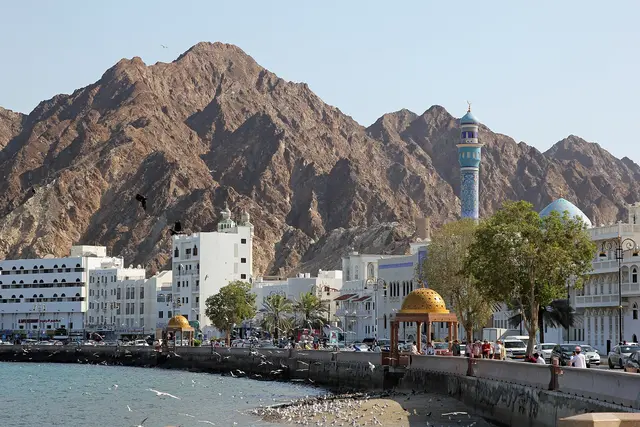
Muscat is the natural start: the Sultan Qaboos Grand Mosque, Mutrah Souq and Corniche, the Royal Opera House and good beaches, plus boat trips to see dolphins and snorkel around the Daymaniyat Islands.
Nizwa and the Hajar Mountains
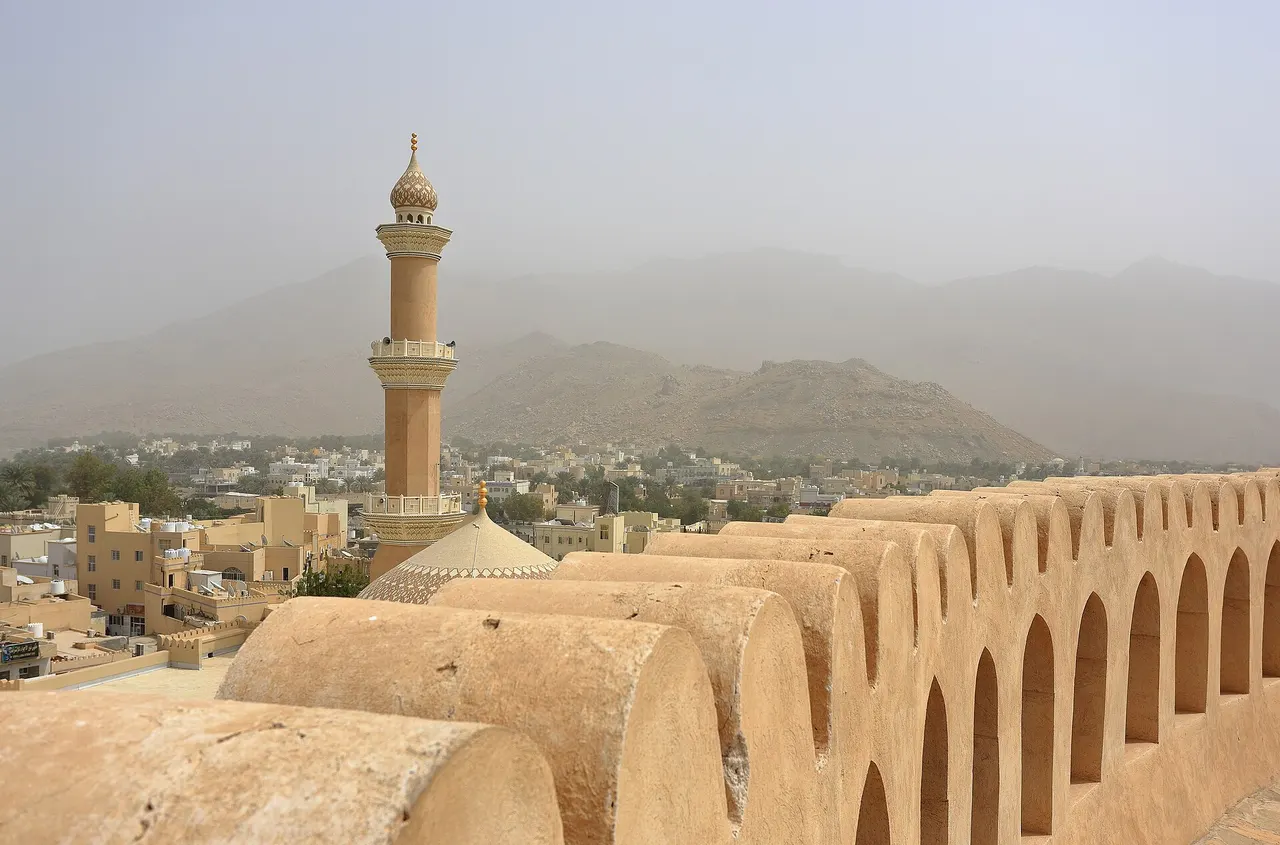
Nizwa, about 90 minutes inland, has a huge round-towered fort and a Friday livestock market. Nearby are the forts of Bahla and Jabrin, and the mountain plateaus of Jebel Akhdar, known for terraced villages and rose gardens, and Jebel Shams, with views into Oman's "Grand Canyon". A 4x4 is required for the Jebel Akhdar road.
Wahiba Sands
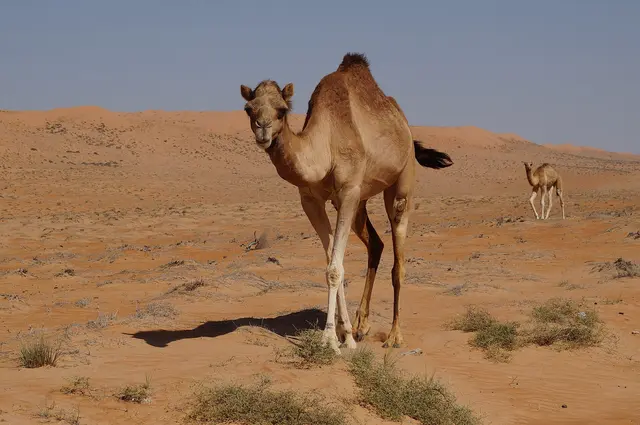
The Wahiba Sands, officially the Sharqiya Sands, are a sea of orange dunes around two and a half hours from Muscat. A night at a desert camp, with dune bashing and a sunset over the sand, is a highlight of most trips.
The wadis and the east coast
Wadi Shab and Wadi Bani Khalid have emerald pools you can swim in, while the coastal town of Sur has a long dhow-building tradition. At Ras al Jinz, guided night visits let you watch turtles nesting.
Salalah and Musandam
In the far south, Salalah has frankincense trees, long beaches and the khareef, a monsoon that turns the hills green from June to September. Musandam, an enclave in the north separated by UAE territory, is known for fjord-like inlets and dhow cruises from Khasab.
Best time to visit Oman
| Season | What to expect |
|---|---|
| Winter (October-March) | Warm and sunny, typically in the mid-20s to around 30 °C on the coast; peak season |
| Spring (April-May) | Getting hot, often mid-30s °C and rising; quieter and cheaper |
| Summer (June-September) | Extremely hot and humid in Muscat and the interior; misty, green and mild in Salalah |
The mountains are noticeably cooler than the coast, and nights on Jebel Shams can drop close to freezing in winter.
Getting to Oman from the UK
Oman Air flies direct from London Heathrow to Muscat in around seven hours, and British Airways has also served the route. One-stop options via Doha, Dubai, Abu Dhabi or Istanbul are common, and some winter charters have served Salalah. Oman is three hours ahead of the UK in winter and four in summer.
Entry requirements
British passport holders can currently enter Oman visa-free for up to 14 days for tourism, provided you have a return ticket, accommodation booked and a passport valid for at least six months. Longer stays need an e-visa. Rules change, so check the GOV.UK foreign travel advice for Oman before booking.
Getting around
Hiring a car is the best way to see Oman. Roads are excellent, signs are in English and Arabic, and fuel is cheap. A standard car is fine for Muscat, Nizwa and the coast; you'll need a 4x4 for Jebel Akhdar and for the desert, though many camps will collect you from the edge of the sand. Speed cameras are everywhere. Public buses link the main towns but are limited, so the alternative is a driver-guide or an organised tour.
Money and costs
The Omani rial is one of the world's most valuable currencies, worth roughly £2, so prices can come as a surprise. Mid-range travellers should budget around £100-150 a day per person including car hire, while desert camps and mountain resorts range from simple to very luxurious. Cards are widely accepted in Muscat; carry cash in villages and at small cafés. Tipping isn't compulsory, but 5-10% in restaurants and a tip for guides and drivers is appreciated.
Top attractions in Oman
Oman on the map
Frequently asked questions
Is Oman safe for tourists?
Oman is generally regarded as one of the safest countries in the region for visitors, with low crime and a welcoming culture. As always, check the GOV.UK foreign travel advice before travelling.
Do I need a 4x4 in Oman?
Not for Muscat, Nizwa or the main coast road. You need one for Jebel Akhdar, where there is a police checkpoint, and for driving into the desert.
How many days do you need in Oman?
A week covers Muscat, Nizwa, Wahiba Sands and the wadis of the east coast. Ten days lets you add the mountains, Sur or a few days at a beach resort.
Is alcohol available in Oman?
Yes, in licensed hotels and some restaurants, but it is expensive and not sold in ordinary shops. Drinking in public is not allowed.
Written by
Emma City breaks & deals editor
Emma plans city breaks the way other people plan the weekly shop: on a budget, with a spreadsheet and a backup plan. She covers city guides and deal-hunting.
More from EmmaWe research every guide carefully, but prices, opening times and timetables change. Check them shortly before you travel. Links to our booking partners are affiliate links.