- Flights from the UK take around 3 hours
- Keflavík Airport is about 45 minutes from the city by bus
- The Golden Circle and Blue Lagoon are easy day trips
- Iceland is expensive, so self-cater and drink tap water
- Airports
- Keflavík International (KEF)
- Best time to go
- September-March for Northern Lights, June-August for midnight sun and road trips
- Type
- City
Reykjavik is small enough to walk across in an afternoon, yet it sits on the edge of some of the most dramatic landscapes in Europe. Within an hour or two you can stand between tectonic plates, watch a geyser erupt and soak in a geothermal lagoon, then be back in town for dinner.
For UK travellers it is also one of the most accessible adventure destinations: flights take around three hours, and in winter there is a real chance of seeing the Northern Lights on a short break.
Why go to Reykjavik
- Northern Lights: from September to March, tours head out of town on clear nights.
- Easy day trips: the Golden Circle, the south coast waterfalls and Snæfellsnes are all reachable in a day.
- Geothermal bathing: the Blue Lagoon, Sky Lagoon and the city's own heated pools.
- A lively little capital: striking architecture, a good food scene and colourful streets.
Where to stay
| Area | Why stay there |
|---|---|
| Miðborg (city centre) | Walk to restaurants, bars and tour pick-ups around Laugavegur |
| Around Hallgrímskirkja | Central but a little quieter; great views |
| Old Harbour | Whale-watching departures, seafood and Harpa concert hall |
| Hlemmur | Eastern end of Laugavegur, food hall and bus hub; often better value |
| Outside the centre | Cheaper hotels and guesthouses; best if you hire a car |
Many tours only collect from designated bus stops in the centre. Check your hotel's nearest stop before booking.
Top things to do
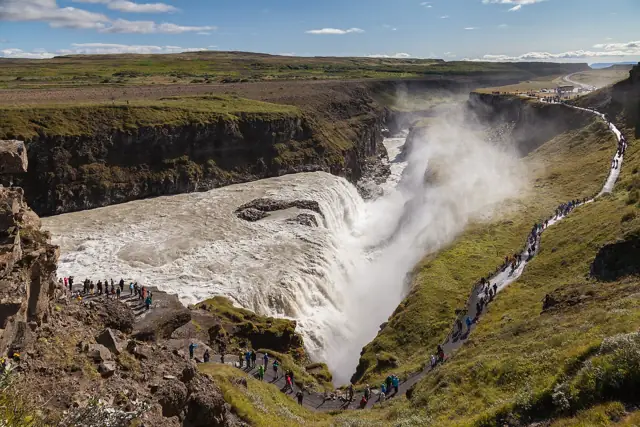
- The Golden Circle: Þingvellir National Park, the Geysir geothermal area and Gullfoss waterfall in one classic loop.
- Blue Lagoon: the milky-blue spa near the airport; book a timed slot and check its status, as volcanic activity on the Reykjanes peninsula has caused closures.
- Hallgrímskirkja: the city's landmark church; take the lift up the tower for the view.
- Harpa and the Sun Voyager: a glass concert hall and a steel sculpture on the waterfront.
- Whale watching: boats leave from the Old Harbour, with the best chances from April to October.
- Sky Lagoon: an infinity-edge lagoon a short drive from the centre.
- Northern Lights tours: by coach, minibus, super-jeep or boat, usually with a free retry if you see nothing.
- The south coast: Seljalandsfoss, Skógafoss and the black sands of Reynisfjara on a long day trip; heed the warnings about sneaker waves.
Read more in our Iceland guide.
Getting there and around from the UK
Direct flights run from London and several UK regional airports, taking about three hours. Keflavík International (KEF) is around 50 km from the city: the Flybus and other airport coaches take about 45 minutes, and many can drop you at or near your hotel. Taxis are very expensive.
Reykjavik's centre is walkable, and the Strætó buses cover the suburbs. For day trips, choose organised tours or hire a car. In winter, only drive if you are confident on snow and ice, and check road and weather conditions every day.
Best time to visit
September to March is Northern Lights season, with the darkest skies from October to February; daylight is very short in December. June to August brings the midnight sun, open highland roads and the best weather for touring, but also the highest prices. May and September offer a good balance of value and conditions.
Budget tips
- Self-cater: stock up at Bónus or Krónan supermarkets; restaurants and alcohol are expensive.
- Drink tap water: it is excellent and free.
- Happy hours: most bars offer cheaper drinks in the late afternoon.
- Swim like a local: the city's public pools and hot tubs cost a fraction of the big lagoons.
- Book packages: flight and hotel deals, especially in shoulder season, often beat booking separately. Check current prices.
- Consider the Reykjavík City Card if you will use museums, pools and buses heavily.
Top attractions in Reykjavik
 Nature
Blue Lagoon
Iceland's famous geothermal spa, with milky-blue water in a black lava field on the Reykjanes Peninsula.
 Nature
Golden Circle
Iceland's classic day trip from Reykjavík, linking the rift valley of Þingvellir, the Geysir hot springs and Gullfoss…
Reykjavik on the map
Frequently asked questions
Can you see the Northern Lights from Reykjavik?
Sometimes, on clear nights with strong activity, but light pollution makes a big difference. A tour that heads out of the city gives you a much better chance.
How do I get from Keflavík Airport to Reykjavik?
Airport coaches such as the Flybus take about 45 minutes to the city's bus terminal, with optional transfers to many hotels. Hire cars can be collected at the airport.
Is Iceland expensive?
Yes, it is one of the most expensive countries in Europe, especially for food and alcohol. Self-catering, travelling in shoulder season and booking tours in advance help.
How many days do you need in Reykjavik?
Three to four days lets you see the city and do the Golden Circle, a lagoon and a Northern Lights tour or the south coast. A week allows a road trip further around the island.
Written by
Thomas Ski, mountains & expeditions editor
Thomas is happiest above the tree line or below the Antarctic Circle. He writes our ski, mountain and polar expedition guides.
More from ThomasWe research every guide carefully, but prices, opening times and timetables change. Check them shortly before you travel. Links to our booking partners are affiliate links.