- Rome is the classic first-timer city break
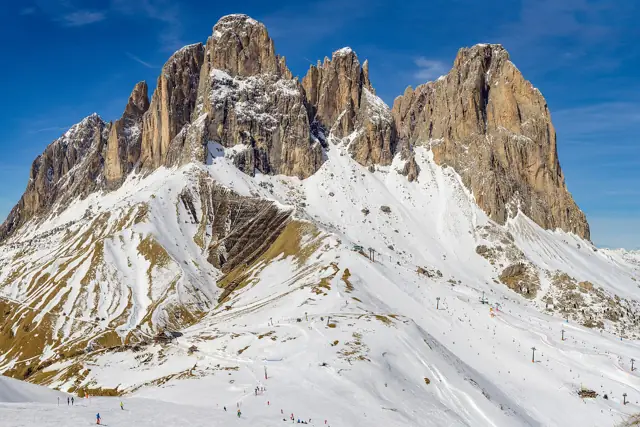
- The Dolomites offer great-value skiing and summer hiking
- Spring and autumn beat the summer heat and crowds
- Fast trains make a multi-city trip easy
- Airports
- Rome Fiumicino (FCO), Milan Malpensa (MXP), Venice (VCE), Naples (NAP), Pisa (PSA), Verona (VRN)
- Flight time
- about 2h30 from London to Rome
- Best time to go
- April-June and September-October for cities; December-March for skiing
- Currency
- Euro (€)
Few countries reward a holiday like Italy. You can stand inside the Colosseum in the morning and eat the best carbonara of your life that evening, ski under the pink peaks of the Dolomites, or drift between lakeside villages on a ferry. It's also brilliant for deal hunters: budget flights serve dozens of Italian airports, and Italian ski resorts often undercut France and Switzerland.
Here's where to go, when to visit and how to make the most of your budget.
Where to go in Italy
Rome
The Eternal City is the obvious first stop. Book timed tickets for the Colosseum and the Vatican Museums, then spend time simply wandering between the Pantheon, Piazza Navona and Trastevere. Our Rome guide covers where to stay and how to dodge the queues.
The Dolomites
This UNESCO-listed mountain range in the north-east is spectacular year-round. In winter, the Dolomites form one of the world's biggest ski networks, with the Dolomiti Superski pass covering around 1,200km of slopes, including the famous Sella Ronda circuit. In summer, cable cars lift hikers to viewpoints such as Seceda, with its jagged ridge above Val Gardena.
Florence, Venice and the classic trio
Florence's Renaissance art and Venice's canals are a fast train ride from each other and from Rome. Venice charges day-trippers an access fee on selected peak days, so check the city's official site before you go if you're not staying overnight.
Lakes and coast
Lake Garda and Lake Como combine mountain scenery with pretty towns and boat trips. On the coast, the Amalfi Coast and Capri are glamorous but busy and pricey in summer; the Cinque Terre's five villages are linked by trains and hiking paths; and Sicily and Puglia offer beaches, baroque towns and lower prices.
Skiing in Italy
Italian resorts are known for sunny slopes, long cruisy pistes, excellent mountain restaurants and generally lower prices for lift passes, lessons and lunches than the big French and Swiss names. As well as the Dolomites, popular choices include Cervinia, which links with Zermatt, Livigno for duty-free shopping, and the Milky Way area around Sestriere.
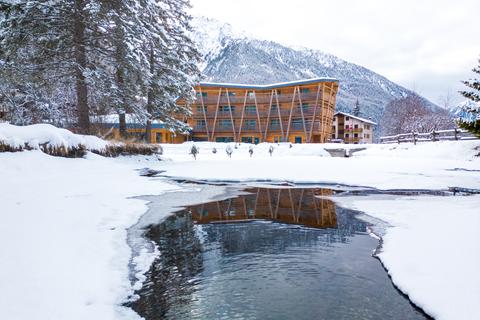
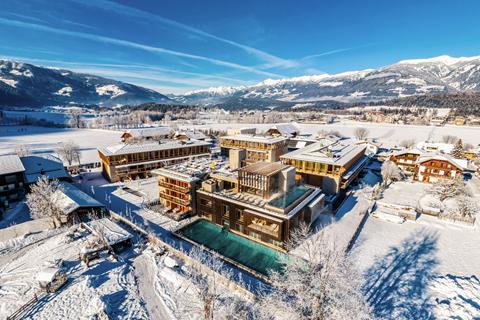
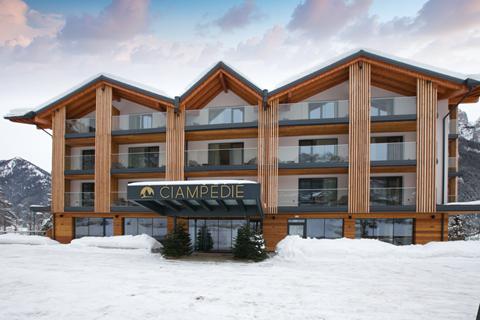
See all 211 dealsLive prices per person from our partners' feeds. Check the final price on the partner's site.
Browse more Italy ski deals or compare all ski holiday deals.
Best time to visit Italy
- Spring (April-June): ideal for cities and the lakes, with comfortable temperatures. Easter is very busy in Rome.
- Summer (July-August): hot, with highs often well above 30 °C in Rome and Florence; best for the coast and mountains. Many Italians holiday around Ferragosto (15 August).
- Autumn (September-October): warm seas, harvest season and fewer crowds.
- Winter (December-March): ski season in the Alps and Dolomites, quiet and cheaper cities (except Christmas and Carnival in Venice).
For the best-value ski week, go in January after the New Year rush or in March, avoiding UK February half-term.
Getting to Italy from the UK
Flights take about 2h to Milan, 2h15 to Venice or Pisa and about 2h30 to Rome or Naples. For the Dolomites, fly to Venice, Verona, Innsbruck or Bolzano and transfer by road. Rail fans can take Eurostar to Paris and connect via France or Switzerland to Milan, a long but scenic day.
UK passport holders can stay up to 90 days in any 180 in the Schengen area. Your passport must have been issued within the last 10 years and be valid for at least three months after you leave. You'll register biometric details under the EU's Entry/Exit System on your first trip.
Getting around
Italy's high-speed trains, run by Trenitalia (Frecciarossa) and Italo, are fast and comfortable: Rome to Florence takes about 1h30, and Rome to Milan around 3h. Advance fares are much cheaper. Regional trains are inexpensive and can't usually be booked for a specific seat. Hire a car for Tuscany, Puglia, Sicily or the mountains, but avoid driving in city centres, where ZTL restricted zones can result in heavy fines.
Money and costs
Italy uses the euro. Expect a coperto (cover charge) of a few euros per person on restaurant bills; tipping beyond that is optional. Standing at the bar for coffee is cheaper than sitting at a table. Most cities add a nightly tourist tax to hotel bills, collected locally. Rome, Venice and Amalfi are the most expensive; the south and the mountains are better value.
Top attractions in Italy
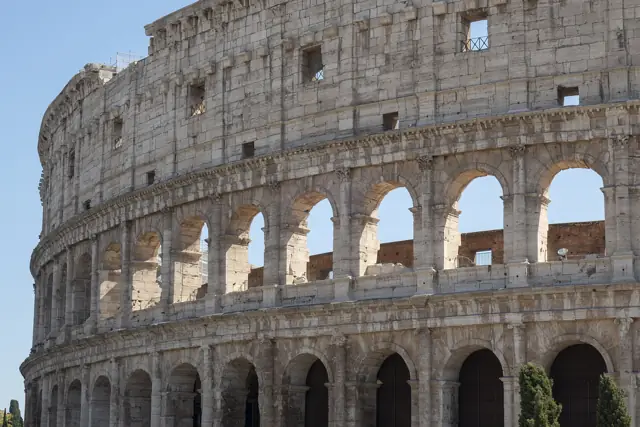 Landmark
Colosseum
Rome's great amphitheatre, where up to 50,000 spectators once watched gladiator fights, is the city's most iconic sight.
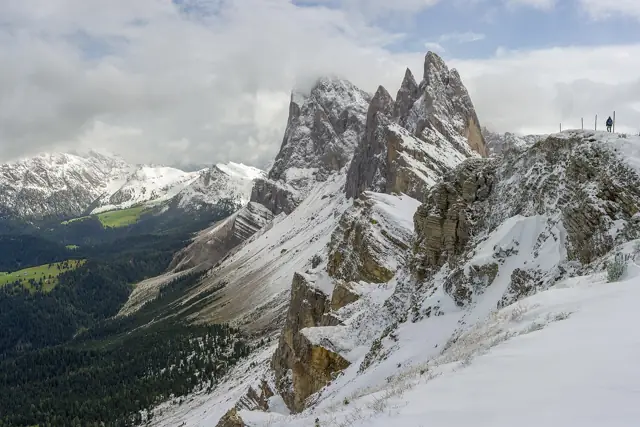 Viewpoint
Seceda
A grassy ridge above Val Gardena that drops away in a dramatic wall of jagged peaks, reached by cable car from Ortisei.
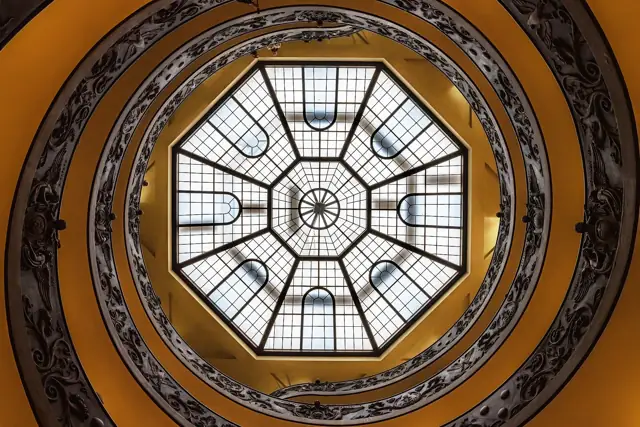 Museum
Vatican Museums
Centuries of papal art collections, Raphael's Rooms and Michelangelo's Sistine Chapel ceiling, in the heart of Vatican…
Italy on the map
Frequently asked questions
Is skiing in Italy cheaper than in France?
Often, yes. Lift passes, ski school and mountain food are typically cheaper in Italy than in France's big-name resorts, though top areas such as Cortina and Courmayeur can match French prices.
What is the best Italian city for a first visit?
Rome, for its unmatched concentration of sights. If you have a week, add Florence and Venice by fast train.
When is the best time to visit Rome?
April-May and late September-October offer warm weather and slightly smaller crowds. July and August are hot and busy.
Do I need to book the Vatican Museums in advance?
Yes, in most seasons. Booking a timed ticket on the official website avoids long queues, and early slots are the quietest.
Written by
Emma City breaks & deals editor
Emma plans city breaks the way other people plan the weekly shop: on a budget, with a spreadsheet and a backup plan. She covers city guides and deal-hunting.
More from EmmaWe research every guide carefully, but prices, opening times and timetables change. Check them shortly before you travel. Links to our booking partners are affiliate links.