- Eurostar from London St Pancras takes about 2h20 to the centre of Paris
- Stay in the Marais, Saint-Germain or the Latin Quarter for a walkable base
- The Louvre now costs €32 for UK visitors and is closed on Tuesdays
- Book timed tickets for the Eiffel Tower and Louvre in advance
- Airports
- Paris Charles de Gaulle (CDG), Paris Orly (ORY); Eurostar to Gare du Nord
- Best time to go
- April-June and September-October
- Type
- City
Paris is the easiest big-city break from the UK. Eurostar whisks you from St Pancras to the Gare du Nord in about two hours 20 minutes, and within half an hour you can be on a café terrace watching the city go by. Few places offer such a concentration of art, architecture and food.
It is also a city where a little preparation pays off: timed tickets for the big sights, a well-located hotel and a plan for getting around. Here is what you need to know. For the rest of the country, see our France guide.
Why go
Paris has the Louvre, the Musée d'Orsay, the Eiffel Tower and the newly restored Notre-Dame, which reopened in December 2024. But much of the pleasure comes from simply walking its neighbourhoods, browsing markets, eating at bistros and strolling along the Seine at dusk.
Where to stay
- Le Marais (3rd and 4th) – historic mansions, boutiques, galleries and great food, close to Notre-Dame and the Pompidou Centre. Lively and central.
- Saint-Germain-des-Prés (6th) – classic Left Bank cafés, bookshops and the Luxembourg Gardens. Elegant, pricey and very walkable.
- Latin Quarter (5th) – student energy, narrow medieval streets and good-value restaurants near the Sorbonne.
- Montmartre (18th) – village feel, the Sacré-Cœur and views over the city. Hilly and slightly further out.
- Opéra and Grands Boulevards (9th) – department stores, good metro links and a wider range of hotel prices.
- Canal Saint-Martin (10th) – a trendy area close to Gare du Nord, handy for Eurostar.
Paris hotel rooms are often small. Check room sizes, especially if you are travelling with children or lots of luggage.
Top things to do
- Eiffel Tower – take the lift or the stairs to the second floor, or go all the way to the top. Book timed tickets on the official site, particularly for the summit.
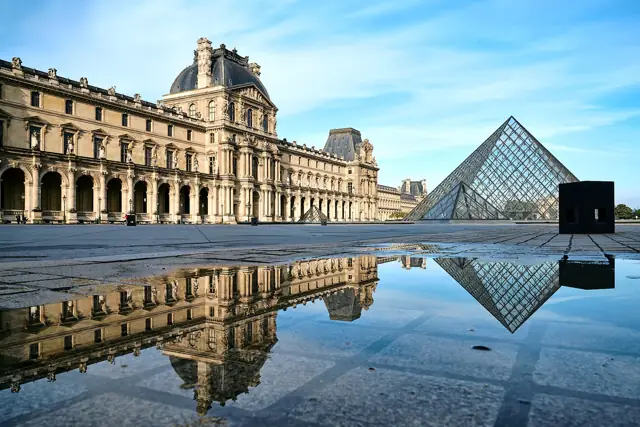
- Louvre – home to the Mona Lisa and the Venus de Milo. Since 14 January 2026, visitors from outside the European Economic Area, including the UK, pay €32. It is closed on Tuesdays and open late on Wednesdays and Fridays.
- Musée d'Orsay – Impressionist masterpieces in a former railway station.
- Notre-Dame – free to enter after its restoration; reserve a free timed slot online to skip the longest queue.
- Sainte-Chapelle – a Gothic chapel with dazzling stained glass on the Île de la Cité.
- Montmartre and Sacré-Cœur – climb to the basilica for views, then explore the cobbled streets around Place du Tertre.
- A Seine cruise – especially at dusk, when the bridges and monuments are lit.
- Versailles – the palace and gardens are a half-day trip by RER C train.
Getting there and around from the UK
Eurostar runs frequent trains from London St Pancras International to Paris Gare du Nord, taking about two hours 20 minutes. Arrive at least an hour early for security and passport checks. Flights from UK airports to Charles de Gaulle (CDG) or Orly (ORY) take about an hour and 15 minutes from London, but transfers into the city add time.
The metro is fast and dense; most central sights are within a short walk of a station. A single metro or RER ticket now covers the whole region except the airports, which have their own higher fare. Use the Île-de-France Mobilités app or a Navigo Easy card to load tickets. From CDG, the RER B train takes around 35 minutes to the centre.
Best time to visit
April to June and September to October are the most pleasant months, with mild weather and long evenings. July and August are hot and busy with visitors, though many Parisians are away and some small restaurants close in August. Winter is cold and grey but cheaper, and the Christmas lights are lovely in December.
Budget tips
- Book Eurostar early: the cheapest fares go months ahead, and midweek trains are usually cheaper.
- Many museums are free for under-18s, and EEA residents under 26 get free entry to many national museums.
- The Paris Museum Pass can save money if you plan several museums in two to four days.
- Have lunch rather than dinner at good restaurants: the formule (set lunch) is much cheaper.
- Paris charges a city tax per person per night that rises with hotel category, paid at your accommodation. Check current hotel prices and deals before booking.
Top attractions in Paris
 Landmark
Eiffel Tower
Gustave Eiffel's iron tower, built for the 1889 World's Fair, is the symbol of Paris and offers views across the whole…
 Museum
Louvre
The world's most visited museum, home to the Mona Lisa, the Venus de Milo and thousands of years of art in a former…
Paris on the map
Frequently asked questions
Is it better to take the Eurostar or fly to Paris?
From London and the south-east, Eurostar is usually quicker door to door, because it goes city centre to city centre with no airport transfers. From northern England and Scotland, flying is often more practical.
How many days do you need in Paris?
Three days lets you see the main sights and a couple of neighbourhoods. Add a fourth for Versailles or more museums.
Do I need to book the Louvre in advance?
Time-slot booking is strongly recommended, even for those entitled to free entry. Book on the official website and avoid unofficial resellers.
What is the best area to stay in Paris for first-timers?
The Marais, Saint-Germain-des-Prés and the Latin Quarter are central, safe and close to the main sights, so you can walk almost everywhere.
Written by
Emma City breaks & deals editor
Emma plans city breaks the way other people plan the weekly shop: on a budget, with a spreadsheet and a backup plan. She covers city guides and deal-hunting.
More from EmmaWe research every guide carefully, but prices, opening times and timetables change. Check them shortly before you travel. Links to our booking partners are affiliate links.