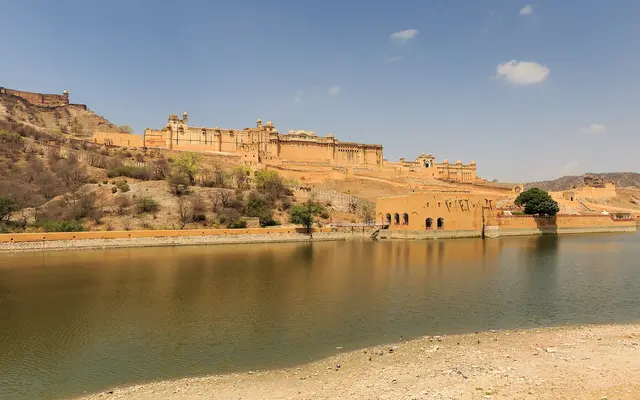
- Delhi, Agra and Jaipur make the classic first-timer route, often called the Golden Triangle
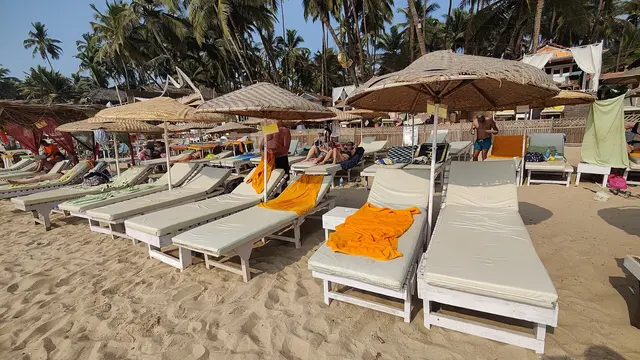
- Goa is the easiest beach add-on, best from November to March
- Most British visitors need a visa, usually the online e-Visa, before they fly
- Direct flights from London take around nine hours
- Airports
- Delhi (DEL), Mumbai (BOM), Goa Mopa (GOX), Goa Dabolim (GOI), Jaipur (JAI), Bengaluru (BLR)
- Flight time
- about 9h direct from London to Delhi
- Best time to go
- October-March for most of the country; avoid the June-September monsoon in Goa
- Currency
- Indian rupee (₹, INR)
India is not a country you "do" in one trip. It is big enough, and varied enough, that most first-time visitors pick one region and still leave wanting more. The rewards are huge: the Taj Mahal at sunrise, desert forts in Rajasthan, tigers in central India's national parks, backwaters in Kerala and the easy-going beaches of Goa, all for less than you would pay for a comparable trip in Europe.
It is also a country that rewards planning. Distances are long, trains sell out and the weather swings from pleasant winter sunshine to fierce pre-monsoon heat. This guide, one of our Asia destination guides, covers where to go on a first trip, when to travel, the visa and how much it costs.
Where to go in India
Delhi and Agra
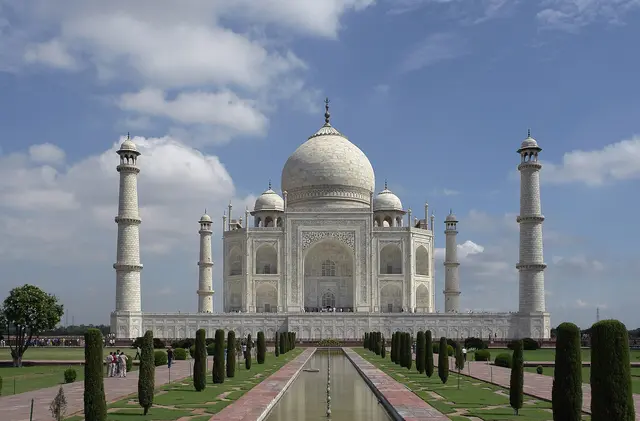
Most trips start in Delhi, where the Mughal monuments of Humayun's Tomb, the Red Fort and the Qutb Minar sit alongside the bustle of Old Delhi's bazaars. Agra is a couple of hours away by fast train and is home to the Taj Mahal, which lives up to the hype if you arrive early. Agra Fort and Fatehpur Sikri are worth adding while you are there.
Rajasthan
Rajasthan is the India of the postcards: pink-walled Jaipur, lakeside Udaipur, blue-washed Jodhpur below its giant fort and golden Jaisalmer on the edge of the Thar Desert. Delhi, Agra and Jaipur together form the Golden Triangle, the most popular first-time route, and you can add Ranthambore National Park for a chance of seeing tigers.
Goa
Goa is India's smallest state and its most relaxed. Expect long sandy beaches, Portuguese-era churches, beach shacks serving fresh fish curry and a laid-back pace that makes it a natural end to a busy tour. The north is livelier; the south is quieter and more upmarket.
Kerala and the south
Kerala's houseboat cruises on the backwaters around Alleppey, tea plantations in Munnar and Ayurvedic retreats are a gentler introduction to India. Further afield, Tamil Nadu has spectacular Hindu temples, and Karnataka has the ruins of Hampi.
Best time to visit India
| Season | What to expect |
|---|---|
| Winter (October-March) | Dry, sunny and comfortable across most of the country; peak season, with chilly mornings in Delhi and Rajasthan in December and January |
| Spring (April-May) | Very hot on the plains, often 40 °C+; the best time for the Himalayan hill stations |
| Monsoon (June-September) | Heavy rain in Goa, Kerala and Mumbai; green landscapes and low prices, but many beach shacks close |
November to February is the sweet spot for Rajasthan and Goa together. Christmas and New Year are the busiest and most expensive weeks, particularly in Goa.
Getting to India from the UK
Air India, British Airways and Virgin Atlantic fly direct from London Heathrow to Delhi and Mumbai, taking around nine hours outbound, and there are direct routes to other cities such as Bengaluru and Hyderabad, plus some from Manchester and Birmingham. Seasonal winter charter flights to Goa run on some routes, but schedules change from year to year. Otherwise, one-stop options via Dubai, Abu Dhabi, Doha or Istanbul are often cheaper and add three to five hours. The time difference is five and a half hours ahead of the UK in winter.
Entry requirements
British passport holders need a visa to visit India. Most tourists use the e-Visa, applied for online through the official Indian government website at least a few days before travel; you will need a passport valid for at least six months with blank pages. Use only the official site, as lookalike agencies charge large extra fees. Visa rules and fees change, so check the GOV.UK foreign travel advice for India and the official e-Visa portal before booking.
Getting around
Domestic flights are plentiful and cheap, and save a day of travel on long hops such as Delhi to Goa. Trains are the classic way to cover shorter distances: book air-conditioned classes (2AC or 3AC, or chair car on daytime expresses) as soon as tickets open, as popular routes sell out weeks ahead. On a Rajasthan tour, many visitors hire a car with a driver, which is affordable and far less stressful than driving yourself. In cities, use app-based taxis or agree auto-rickshaw fares before you set off.
Money and costs
The currency is the Indian rupee, which cannot legally be bought in the UK in meaningful amounts, so withdraw cash from ATMs on arrival. Cards and UPI payments are common in cities, but carry cash for small shops, tips and rural areas. India can be very cheap: budget travellers get by on around £25-35 a day, mid-range travellers on roughly £60-100, while heritage palace hotels in Rajasthan can cost several hundred pounds a night. Tipping is expected in tourist settings: around 10% in restaurants if service isn't included, and a daily tip for drivers and guides.
Top attractions in India
India on the map
Frequently asked questions
Is India a good destination for a first long-haul trip?
Yes, if you plan it well. The Golden Triangle with a few days in Goa is a well-trodden route with good hotels and guides. Expect crowds, noise and heat, and build in rest days.
How do I avoid getting ill in India?
Drink bottled or filtered water, eat freshly cooked food at busy places and be cautious with salads and ice at street stalls. See your GP or a travel clinic about vaccinations six to eight weeks before you travel.
How long do I need for the Golden Triangle?
A week is the minimum for Delhi, Agra and Jaipur at a comfortable pace. Ten to fourteen days lets you add Udaipur or Ranthambore, or finish on a Goa beach.
When is the cheapest time to visit India?
The monsoon months of June to September bring the lowest prices, especially in Goa and Kerala. April and the first half of October are good value shoulder months, though April is hot.
Written by
Thomas Ski, mountains & expeditions editor
Thomas is happiest above the tree line or below the Antarctic Circle. He writes our ski, mountain and polar expedition guides.
More from ThomasWe research every guide carefully, but prices, opening times and timetables change. Check them shortly before you travel. Links to our booking partners are affiliate links.