- Paphos for history and a relaxed pace, Ayia Napa and Protaras for beaches, Limassol for a city-and-sea mix
- The swimming season runs from roughly May to early November
- Flights take around 4h30 from the UK to Larnaca or Paphos
- Hire a car: it drives on the left and public transport is limited
- Airports
- Larnaca (LCA), Paphos (PFO)
- Flight time
- about 4h30 from London to Larnaca or Paphos
- Best time to go
- April-June and September-November; July-August only if you love heat
- Currency
- Euro (€)
Cyprus has one of the longest beach seasons in Europe. The sea is warm enough for most people from May to early November, the sun shines on almost every summer day, and the island's British connections mean driving on the left, three-pin plugs and English spoken widely. Beyond the beaches there is plenty to see: Roman mosaics in Paphos, painted churches in the Troodos Mountains and a divided capital in Nicosia.
This is one of our Europe guides. It focuses on the Republic of Cyprus, where nearly all UK holidays are based, and covers where to stay, when to go, getting there and costs in 2026.
Where to go in Cyprus
Paphos
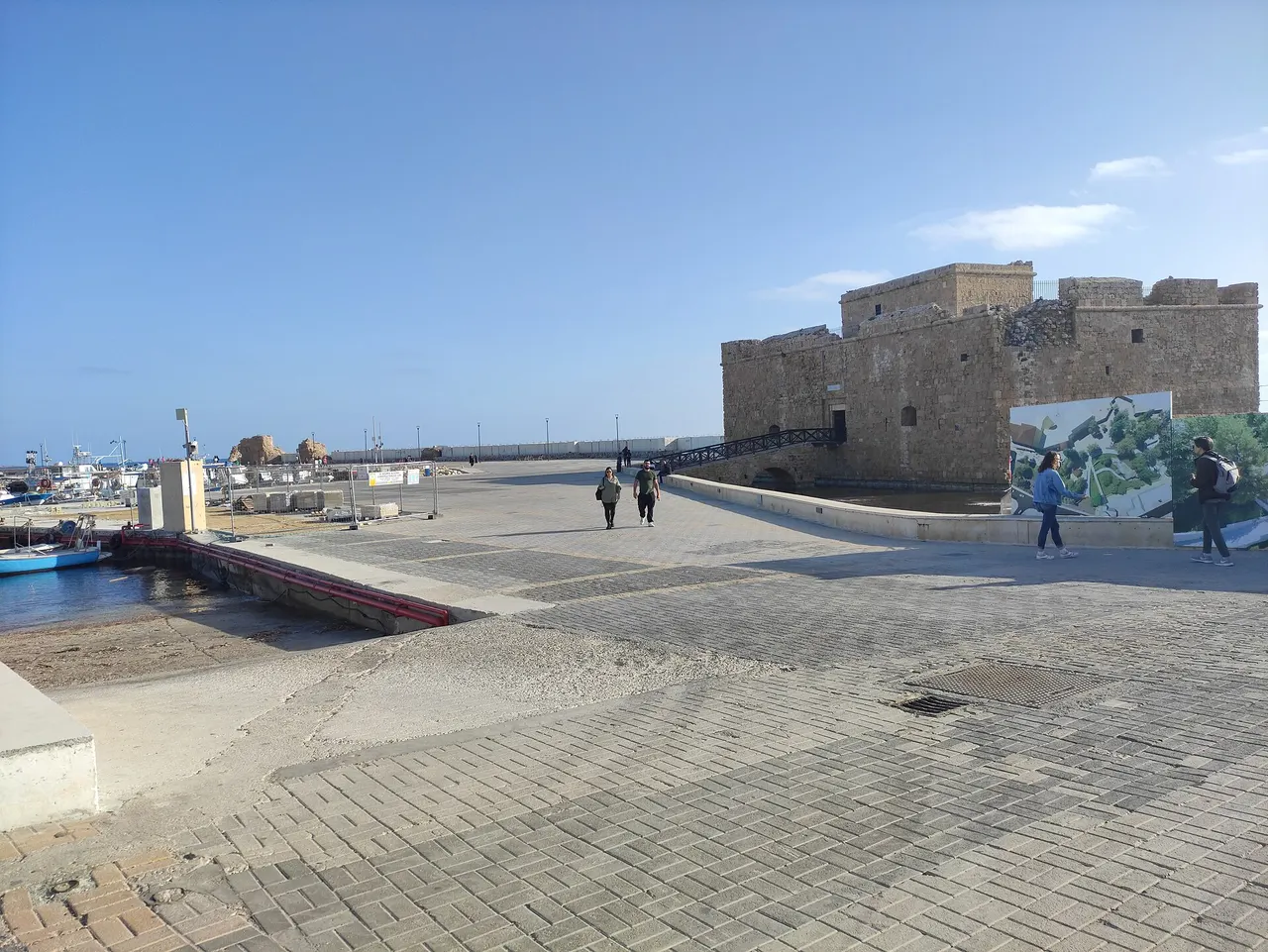
Paphos, on the west coast, combines a pleasant harbour with some of the island's best history. The Paphos Archaeological Park has superb Roman floor mosaics, and the Tombs of the Kings are carved into the rock by the sea. Just east of town, Petra tou Romiou, known as Aphrodite's Rock, is the legendary birthplace of the goddess.
Ayia Napa and Protaras
The south-east has the softest sand and clearest water. Ayia Napa is famous for nightlife, but Nissi Beach and the sea caves at Cape Greco are worth a visit whatever your age. Protaras, a few miles north, is quieter and very popular with families, with Fig Tree Bay its best-known beach.
Limassol
Cyprus's second city has a long seafront promenade, a smart marina and a small old town around its medieval castle. It is a good base for day trips to the ancient site of Kourion, perched on cliffs above the sea, and the wine villages in the hills.
The Troodos Mountains
The island's mountainous centre is cooler in summer and occasionally snowy in winter. Ten of its frescoed Byzantine churches are UNESCO listed, and villages such as Kakopetria, Omodos and Platres make a peaceful base for walking.
The Akamas Peninsula and Nicosia
Beyond Paphos, the Akamas is a largely undeveloped area of hiking trails, rough tracks and coves, including the Blue Lagoon, reached by boat trip from Latchi. Nicosia, the capital, is divided by the UN buffer zone; you can walk across at the Ledra Street crossing point, but check your travel insurance covers the north before you go.
Best time to visit Cyprus
| Season | What to expect |
|---|---|
| Spring (March-May) | Warm and green, wildflowers, great for walking; sea still cool until May |
| Summer (June-August) | Very hot (often 35 °C+ inland), dry and busy; sea like a warm bath |
| Autumn (September-November) | Warm sea, settled weather, ideal for families outside school holidays |
| Winter (December-February) | Mild on the coast (around 16-19 °C by day), some rain, quiet resorts |
Getting to Cyprus from the UK
Direct flights to Larnaca (LCA) and Paphos (PFO) take about 4h30 from London, with British Airways, easyJet, Jet2, Ryanair, TUI and Cyprus Airways flying from London and many regional airports, though some routes only run in summer. Larnaca is better for Ayia Napa, Protaras and Nicosia; Paphos for the west. Allow a little longer in winter, when there are fewer flights.
Entry requirements
Cyprus is in the EU but not yet a full member of the Schengen area. British passport holders can usually visit visa-free for up to 90 days in any 180-day period. Your passport should be valid for the length of your stay, and you may be asked for a return ticket. The north of the island has its own entry procedures. Rules change, so check GOV.UK foreign travel advice before booking.
Getting around
A hire car is the easiest way to explore. Cyprus drives on the left, and the motorway linking Paphos, Limassol, Larnaca and Ayia Napa is good, though mountain roads are slow and winding. Intercity buses connect the main towns cheaply, and local buses serve the resorts, but services are thinner in the evenings and in the hills. Taxis are fine for short trips; agree the fare or check the meter is on.
Money and costs
The Republic of Cyprus uses the euro. Prices are close to Spain's, with good-value tavernas offering a meze of a dozen or more small dishes for one fixed price. Allow around €90-140 per person per day for a mid-range independent trip including accommodation; all-inclusive packages are popular and good value for families. Some restaurants add a service charge; if not, leave around 10% for good service.
Frequently asked questions
Is Paphos or Ayia Napa better?
Paphos suits couples and families who want history and a slower pace; Ayia Napa and nearby Protaras have the best sandy beaches, with Ayia Napa the place for nightlife.
Is Cyprus warm in winter?
It is mild rather than hot. Coastal highs of around 16-19 °C make it pleasant for walking and sightseeing, but the sea is too cool for most swimmers from December to April.
Do they drive on the left in Cyprus?
Yes, and most hire cars have the steering wheel on the right, so it feels familiar for UK drivers.
Can I visit Northern Cyprus?
You can cross on foot or by car at official crossing points, but you'll need extra car insurance bought at the crossing, and standard travel insurance may not cover the north. Check GOV.UK advice first.
Written by
Emma City breaks & deals editor
Emma plans city breaks the way other people plan the weekly shop: on a budget, with a spreadsheet and a backup plan. She covers city guides and deal-hunting.
More from EmmaWe research every guide carefully, but prices, opening times and timetables change. Check them shortly before you travel. Links to our booking partners are affiliate links.