- Base yourself in Valletta or Sliema for sightseeing, St Paul's Bay or Mellieħa for beaches
- English is an official language and plugs are the same three-pin type as the UK
- Flights take about three hours and run from most large UK airports
- Book the Ħal Saflieni Hypogeum weeks ahead
- Airports
- Malta International (MLA)
- Flight time
- about 3h from London to Malta
- Best time to go
- May-June and September-October; winter for mild, quiet sightseeing
- Currency
- Euro (€)
Malta is small enough to cross in an hour, yet it holds more history per square mile than almost anywhere in Europe. Neolithic temples older than the pyramids, a walled capital built by the Knights of St John and a silent hilltop city sit within a short bus ride of rocky swimming spots and boat trips to impossibly blue lagoons. English is an official language, cars drive on the left and the plugs are the same as at home, so it is an easy first trip abroad.
This Europe guide covers the main island, Gozo and Comino, when to go, how to get there from the UK and what a Maltese holiday costs in 2026.
Where to go in Malta
Valletta
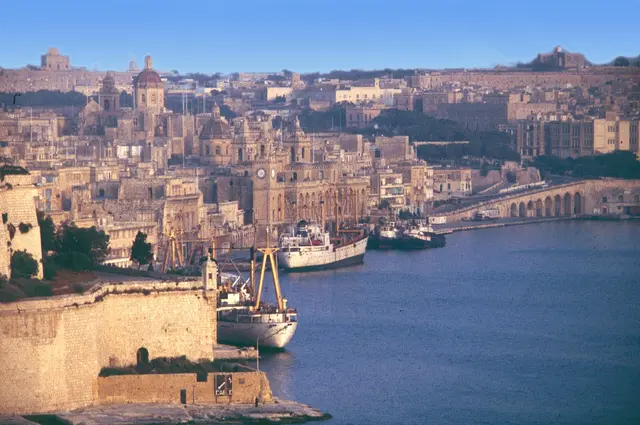
The capital is a UNESCO World Heritage Site and the highlight of most trips. Valletta packs St John's Co-Cathedral, the Upper Barrakka Gardens and the Grand Harbour views into a grid of streets you can walk end to end in 15 minutes. Across the harbour, the Three Cities of Birgu, Senglea and Cospicua are quieter and reached by a short ferry or traditional dgħajsa boat.
Mdina and Rabat
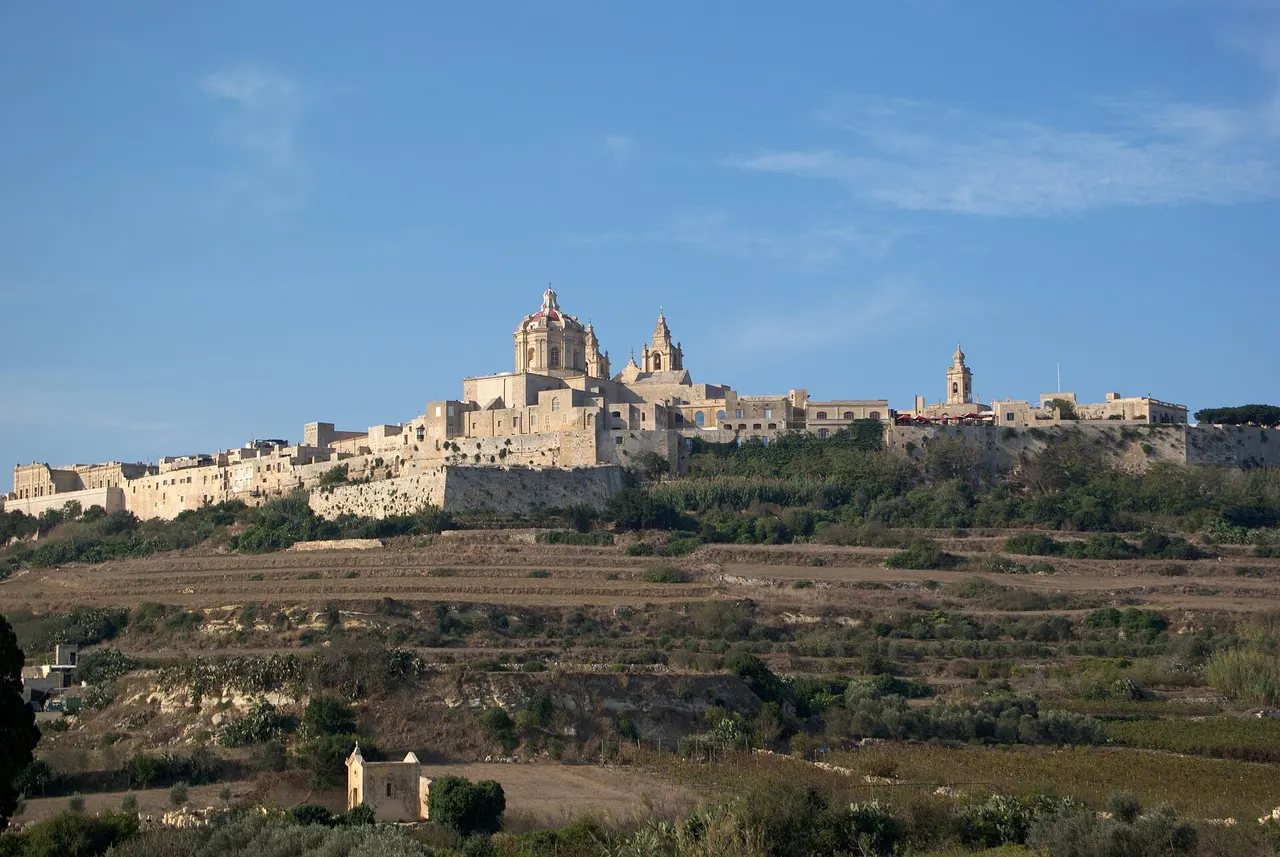
Mdina, the old walled capital, is known as the Silent City because cars are largely banned inside. Go early or in the evening to have its lanes almost to yourself. Neighbouring Rabat has St Paul's Catacombs and good pastizzi shops.
Sliema, St Julian's and the north
Sliema has a long seafront promenade and plenty of hotels; St Julian's and Paceville are the nightlife hub. Further north, St Paul's Bay, Buġibba and Mellieħa are the main resort areas, and Għadira Bay at Mellieħa is Malta's largest sandy beach.
Gozo and Comino
Gozo is greener, slower and less developed, with the Ġgantija temples, the Citadel in Victoria and good diving. Tiny Comino, between the two, is home to the Blue Lagoon, gorgeous but very crowded on summer afternoons; go early or late in the season.
The temples and the south
The Ħal Saflieni Hypogeum, an underground Neolithic burial complex, admits only small groups each day and often sells out weeks ahead. Ħaġar Qim and Mnajdra temples sit on cliffs above the sea, and the fishing village of Marsaxlokk has a Sunday fish market and colourful luzzu boats.
Best time to visit Malta
| Season | What to expect |
|---|---|
| Spring (April-June) | Warm and sunny, wildflowers, ideal for sightseeing; sea warming up by June |
| Summer (July-August) | Hot, often 30 °C+, busy and expensive; lively festas in the villages |
| Autumn (September-October) | Sea at its warmest, fewer crowds, occasional storms |
| Winter (November-March) | Mild (around 15-17 °C by day), quiet and cheap; some rain |
Getting to Malta from the UK
Malta International Airport (MLA) is the only airport, and flights take about three hours from London. Air Malta's successor KM Malta Airlines, British Airways, easyJet, Ryanair and Jet2 between them fly direct from London and many regional airports including Manchester, Birmingham, Bristol and Edinburgh, though some routes are seasonal.
Entry requirements
Malta is in the EU and the Schengen area. British passport holders can usually visit visa-free for up to 90 days in any 180-day period across Schengen countries. Your passport should have been issued within the last 10 years and be valid for at least three months after you leave. The EU's Entry/Exit System registers your fingerprints and photo on arrival. Rules change, so check GOV.UK foreign travel advice before booking.
Getting around
Public buses cover the whole island and are cheap, but they can be slow and crowded in summer; a Tallinja card or multi-day Explore card saves money over single fares. Bolt and other ride-hailing apps are widely used and good value for short hops. Car hire works well for Gozo and the quieter south, but traffic and parking around Sliema and Valletta can be stressful. Gozo Channel car ferries run from Ċirkewwa to Mġarr in about 25 minutes, and a fast ferry links Valletta with Gozo in under an hour.
Money and costs
Malta uses the euro and is still decent value by Mediterranean standards outside July and August. Expect around €90-140 per person per day for a mid-range trip including accommodation, and less on a package. A small eco-contribution per adult per night is added to hotel bills. Tipping isn't compulsory; leave 5-10% in restaurants if service isn't included.
Top attractions in Malta
Malta on the map
Frequently asked questions
Is Malta good for a beach holiday?
Yes, but most of the coastline is rocky, with swimming from ladders and flat rocks. For sand, head to Għadira, Golden Bay or Għajn Tuffieħa on the main island, or Ramla Bay on Gozo.
Do they speak English in Malta?
Yes. English and Maltese are both official languages, and nearly everyone you meet will speak English.
How many days do you need in Malta?
Four or five days covers Valletta, Mdina and a day on Gozo. A week lets you add Comino, the temples and some beach time.
Is it worth visiting Gozo?
Yes. It is quieter and greener than Malta, with excellent diving, the Ġgantija temples and the Citadel. A day trip is easy, but a night or two lets you enjoy it once the day-trippers leave.
Written by
Anna Beach, family & practical travel editor
Anna knows which beach has shade at 3pm and which car hire excess is a rip-off. She covers sun, islands, family trips and practical travel tips.
More from AnnaWe research every guide carefully, but prices, opening times and timetables change. Check them shortly before you travel. Links to our booking partners are affiliate links.