- Dublin for a city break, the west coast for scenery and traditional music
- British citizens need no passport under the Common Travel Area, but airlines and ferries ask for photo ID
- Flights take about 1h15 from London and ferries run from Holyhead, Fishguard, Pembroke and Liverpool
- Hire a car for the west, but budget for high prices in Dublin
- Airports
- Dublin (DUB), Shannon (SNN), Cork (ORK), Ireland West Knock (NOC), Kerry (KIR)
- Flight time
- about 1h15 from London to Dublin
- Best time to go
- May-September; April and October for quieter roads
- Currency
- Euro (€)
Ireland is the easiest overseas trip most of us can make. Flights from London to Dublin take little more than an hour, ferries carry your own car across the Irish Sea, and there is no new language to learn. Yet once you head west from Dublin the country feels a world away: single-track roads wind past stone walls, cliffs drop straight into the Atlantic and a quiet pint can turn into an evening of live music.
This is one of our Europe guides, written for UK travellers. It covers where to go, when the weather is kindest, getting there by air or sea, and what a holiday in the Republic of Ireland costs in 2026.
Where to go in Ireland
Dublin
Dublin is compact, walkable and packed with things to do: the Book of Kells at Trinity College, the Guinness Storehouse, Kilmainham Gaol and a pub on almost every corner. It suits a long weekend, and it is the natural start for a road trip.
The west coast and the Wild Atlantic Way
The Wild Atlantic Way is a signed coastal route running about 2,500km from Donegal down to West Cork. You won't drive it all, so pick a stretch. County Clare has the Cliffs of Moher, the limestone Burren and the music pubs of Doolin. Galway is a lively student city and the gateway to Connemara's lakes and bogs.
Kerry and Cork
Kerry is Ireland at its most dramatic. The Ring of Kerry loops around the Iveragh Peninsula, the Dingle Peninsula is smaller and arguably prettier, and Killarney National Park has lakes, waterfalls and the Gap of Dunloe. Cork city is known for its food market, and West Cork has fishing villages and quiet coves.
The Ancient East
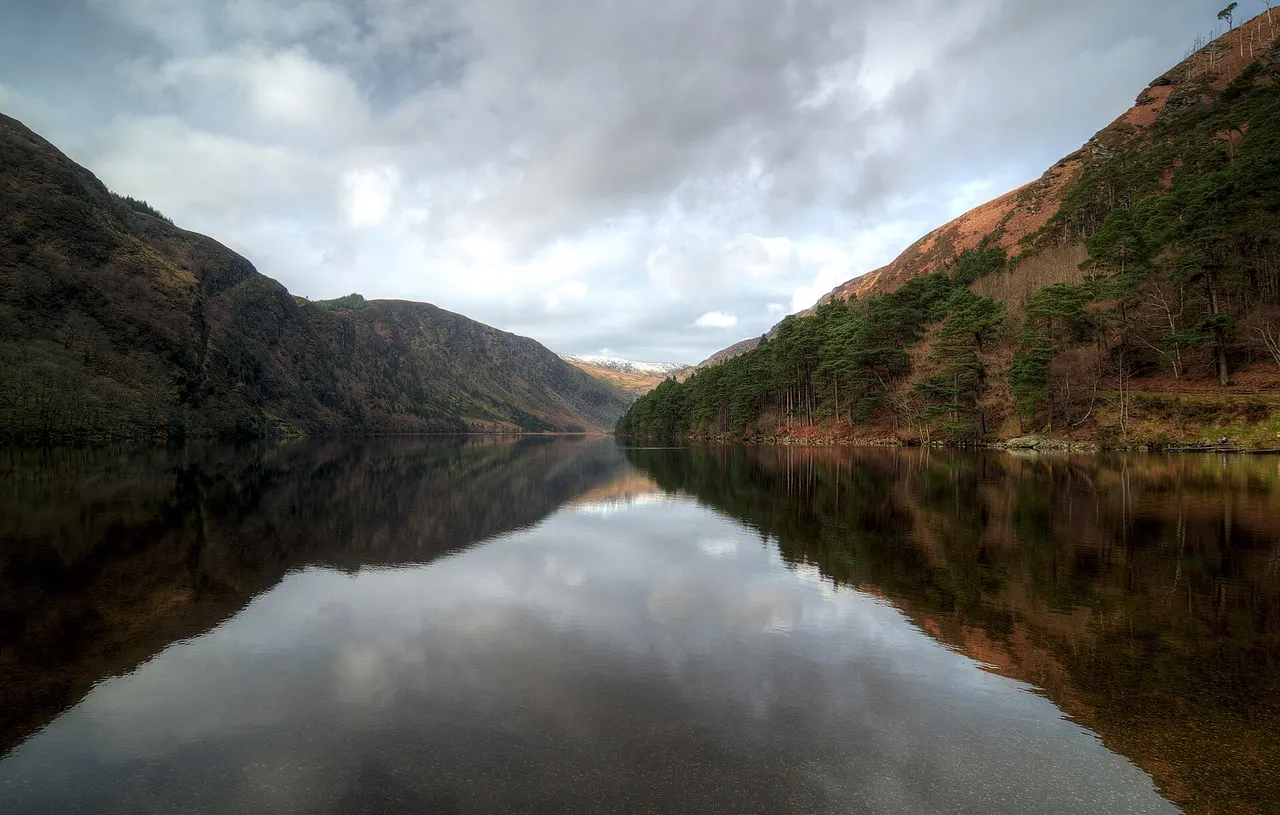
East of the Shannon, Glendalough's monastic ruins sit in a glacial valley in the Wicklow Mountains, an easy day out from Dublin. The Boyne Valley has the Neolithic passage tomb at Newgrange, older than Stonehenge, while Kilkenny has a medieval castle and a good food scene.
Best time to visit Ireland
| Season | What to expect |
|---|---|
| Spring (March-May) | Mild, green and quieter; St Patrick's Day (17 March) fills Dublin |
| Summer (June-August) | Long days and the warmest weather, usually high teens °C; busiest and priciest |
| Autumn (September-October) | Still mild, fewer coach tours, good for walking |
| Winter (November-February) | Short days, wet and windy on the coast; good for Dublin breaks and Christmas |
Rain is possible in any month, especially in the west, so pack a waterproof whatever the season. May, June and September give the best mix of long days and lighter traffic.
Getting to Ireland from the UK
Dozens of UK airports fly direct to Dublin, with Aer Lingus, Ryanair and British Airways among the main airlines; flights take about 1h15 from London and under an hour from Manchester, Birmingham or Glasgow. For the west, Shannon, Cork, Knock and Kerry have direct flights from several UK airports, often only from London or a handful of regional airports.
By sea, Irish Ferries and Stena Line sail Holyhead to Dublin in about 3h15, and there are crossings from Fishguard and Pembroke to Rosslare and from Liverpool to Dublin. Taking the ferry is the obvious choice if you want your own car for a road trip.
Entry requirements
The UK and Ireland are part of the Common Travel Area, so British citizens do not need a passport or visa to visit and there are no routine passport checks on arrival. However, airlines and most ferry companies require photo ID, and many only accept a passport or driving licence, so check with your carrier. Ireland is not in the Schengen area and does not use the EU's Entry/Exit System. Rules can change, so check GOV.UK foreign travel advice before booking.
Getting around
A hire car is the best way to see the west and south-west. Ireland drives on the left like the UK, but rural roads are narrow and slower than you might expect, so plan on shorter daily distances. Irish Rail runs from Dublin to Galway, Cork, Killarney and other towns, and Bus Éireann and private coaches cover most of the country. In Dublin, use the Luas trams, DART trains and buses with a Leap card rather than driving.
Money and costs
Ireland uses the euro. It is not a cheap destination: Dublin hotels are among the priciest in Europe, especially at weekends, and a pint in the city centre often costs €7 or more. Outside the capital, B&Bs and guesthouses are better value. Allow around €120-180 per person per day for a mid-range trip including accommodation, less if you share a self-catering cottage. In restaurants, a tip of 10-12.5% is normal if service isn't already included; in pubs, tipping isn't expected.
Top attractions in Ireland

Ireland on the map
Frequently asked questions
Do I need a passport to go to Ireland from the UK?
British citizens don't legally need a passport for the Republic of Ireland, but airlines and ferry operators ask for photo ID and often specify which kinds they accept. A valid passport is the safest option.
How many days do you need in Ireland?
Three days covers Dublin. For Dublin plus the west coast, allow a week; ten days to two weeks lets you add Kerry and Cork without rushing.
Is it better to fly or take the ferry to Ireland?
Fly for a city break or if you're happy to hire a car on arrival. Take the ferry if you want your own car, are travelling with lots of luggage or a dog, or live near Holyhead, Fishguard, Pembroke or Liverpool.
Can I drive in Ireland on a UK licence?
Yes, a full UK driving licence is valid for visitors. Distances and speed limits are shown in kilometres, so take care with speeds when you first arrive.
Written by
Thomas Ski, mountains & expeditions editor
Thomas is happiest above the tree line or below the Antarctic Circle. He writes our ski, mountain and polar expedition guides.
More from ThomasWe research every guide carefully, but prices, opening times and timetables change. Check them shortly before you travel. Links to our booking partners are affiliate links.
