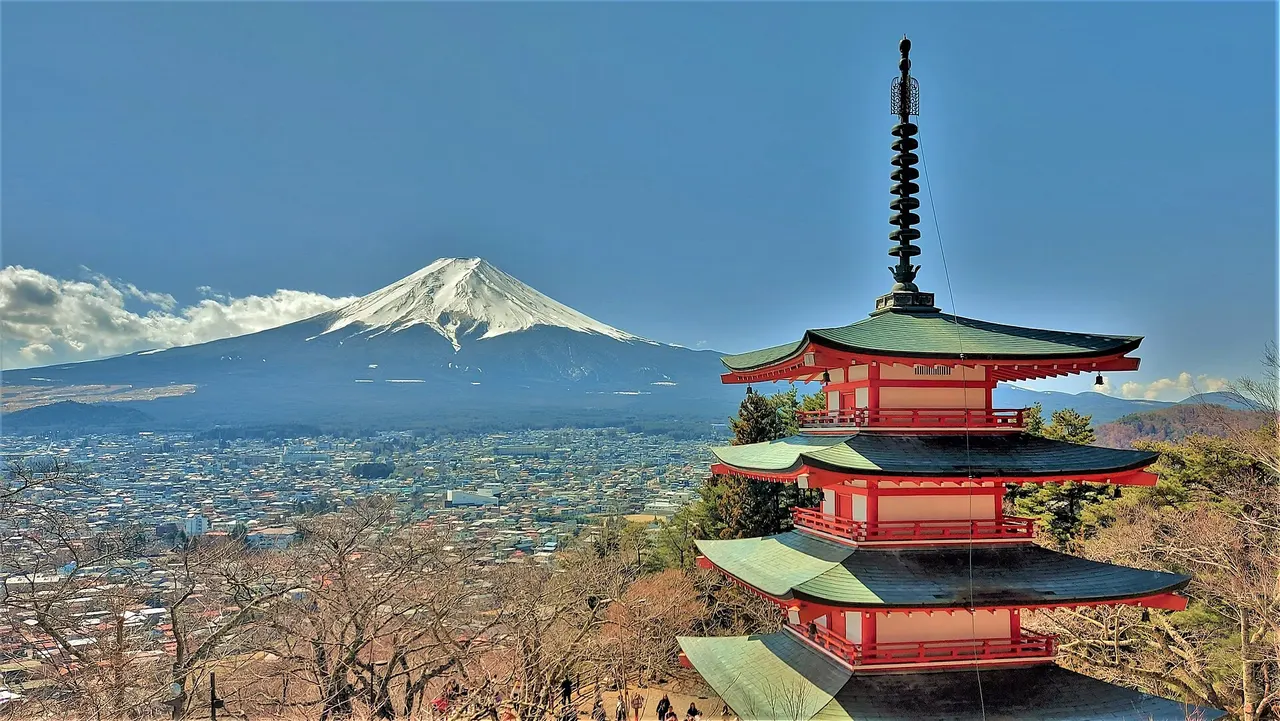
- Tokyo and Kyoto make the classic first trip, with Mount Fuji as a day trip or overnight
- Spring cherry blossom and autumn leaves are the best but busiest times
- Direct flights from Heathrow take about 14 hours
- Japan is cheaper than many expect, but book hotels early for spring and autumn
- Airports
- Tokyo Haneda (HND), Tokyo Narita (NRT), Osaka Kansai (KIX)
- Flight time
- about 14h direct from London Heathrow to Tokyo Haneda
- Best time to go
- Late March-May and October-November
- Currency
- Japanese yen (¥)
Japan is the long-haul trip that UK travellers rave about most when they get home. It is spotless, safe and efficient, yet never sterile: a quiet shrine can sit a few streets from a ten-lane crossing. It is one of the most rewarding countries in our Asia guides, and easier for first-timers than its reputation suggests.
A weak yen has also made Japan better value than it was a decade ago. Hotels in Tokyo and Kyoto are in high demand, so the trick is to book early for the peak seasons. This guide covers where to go, when to travel, how to get there from the UK and what it costs in 2026.
Where to go in Japan
Tokyo
Tokyo is the obvious starting point and deserves at least four days. Each district feels like a different city: the old temple quarter of Asakusa, the department stores of Ginza, the youth culture of Shibuya and Harajuku, and the skyscrapers and late-night alleys of Shinjuku. The food alone is reason enough to go.
Kyoto
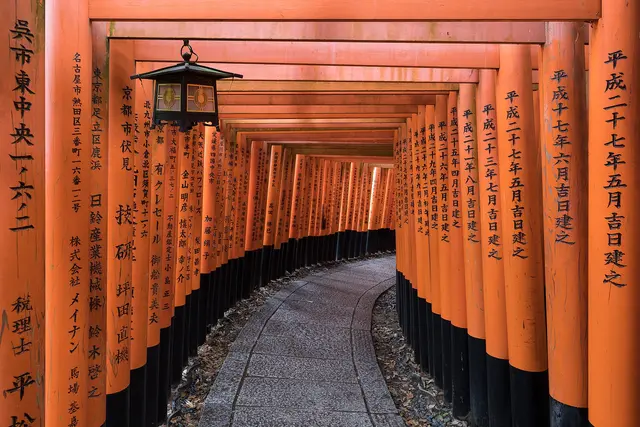
Kyoto was the imperial capital for more than a thousand years and still has around 1,600 temples. The vermilion gates of Fushimi Inari Shrine, the wooden terrace of Kiyomizu-dera and the geisha district of Gion are highlights. It is about two hours fifteen minutes from Tokyo by bullet train, and Nara, with its giant Buddha and free-roaming deer, is an easy day trip.
Mount Fuji and Hakone
Mount Fuji is visible from Tokyo on clear winter days, but it is far more impressive from the Fuji Five Lakes around Kawaguchiko. Hakone, with its hot-spring inns and lake cruises, is the other classic base. In July and August you can climb to the summit.
Beyond the golden route
Osaka is Japan's street-food capital and the gateway to Kansai airport. Hiroshima and the island shrine of Miyajima make a moving two-day add-on. For something quieter, try the Japanese Alps around Takayama and Kanazawa, or the subtropical beaches of Okinawa.
Best time to visit Japan
| Season | What to expect |
|---|---|
| Spring (March-May) | Cherry blossom from late March to early April in Tokyo and Kyoto; mild and beautiful but the busiest and priciest time |
| Summer (June-August) | Rainy season in June, then hot and humid (often above 30 °C); festivals, and the Mount Fuji climbing season |
| Autumn (September-November) | Typhoon risk in September; October and November are clear and comfortable, with red maple leaves from mid-November |
| Winter (December-February) | Cold, dry and often sunny in Tokyo; excellent skiing in Hokkaido and the Alps; fewer crowds except at New Year |
Avoid Golden Week (late April to early May) and the mid-August Obon holiday if you can, as domestic travel peaks and prices jump.
Getting to Japan from the UK
British Airways, Japan Airlines and ANA fly direct from London Heathrow to Tokyo Haneda, which is much closer to the city than Narita. Because airlines avoid Russian airspace, flights take about 14 hours outbound and a little less on the way home. One-stop options via Helsinki, Dubai, Doha, Istanbul or Hong Kong can be cheaper and work from regional UK airports, typically taking 16-20 hours in total. Flying into Tokyo and out of Osaka Kansai saves you backtracking.
Entry requirements
British passport holders can currently visit Japan visa-free for up to 90 days as tourists. Japan plans to introduce an online pre-travel authorisation, known as JESTA, in the coming years, so rules may change. Before you arrive you can fill in your immigration and customs details on the free Visit Japan Web site to speed things up. Always check the latest GOV.UK foreign travel advice for Japan before you book.
Getting around
Trains are the backbone of any trip. The Shinkansen bullet train links Tokyo, Kyoto, Osaka and Hiroshima, and local trains and subways cover everything else. The nationwide Japan Rail Pass rose sharply in price in 2023 (a seven-day ordinary pass is now about ¥50,000), so it only pays off if you are covering long distances, such as a Tokyo-Kyoto-Hiroshima round trip within a week. For simpler itineraries, individual tickets or regional passes are often cheaper. Load a Suica or Pasmo IC card on your phone for city transport. Send big suitcases ahead with a luggage forwarding service rather than hauling them onto crowded trains.
Money and costs
Japan uses the yen. Cash is less essential than it was, but small restaurants, shrines and rural inns may still be cash-only, and 7-Eleven ATMs accept UK cards. As a rough guide, budget travellers can manage on about ¥10,000-12,000 a day using hostels and convenience-store or noodle-bar meals, while a mid-range trip with business hotels and restaurant dinners costs around ¥20,000-30,000 per person per day. A ¥1,000 departure tax is added to your air fare. Tipping is not part of the culture and can cause confusion, so don't.
Top attractions in Japan
 Historic site
Fushimi Inari Shrine
Thousands of vermilion torii gates climbing a wooded mountain in Kyoto, free to visit day and night.
 Nature
Mount Fuji
Japan's highest and most famous mountain, best seen from the Fuji Five Lakes or climbed in the short summer season.
Japan on the map
Frequently asked questions
How many days do you need in Japan?
Ten to fourteen days is ideal for a first trip: four or five in Tokyo, three or four in Kyoto with a day in Nara, and a night or two near Mount Fuji or in Hiroshima.
Is Japan expensive to visit?
Less than many expect. Flights and peak-season hotels are the big costs, but food, transport and many sights are good value compared with London, especially with the current exchange rate.
Is the Japan Rail Pass still worth it?
Only for long, fast itineraries. After the 2023 price rise, a Tokyo-Kyoto return alone costs less as single tickets, so price your route with an online fare calculator first.
When is cherry blossom season in Japan?
In Tokyo and Kyoto it usually peaks in late March or early April, lasting about a week. It arrives earlier in the south and later in the north, and forecasts are published from January.
Written by
Thomas Ski, mountains & expeditions editor
Thomas is happiest above the tree line or below the Antarctic Circle. He writes our ski, mountain and polar expedition guides.
More from ThomasWe research every guide carefully, but prices, opening times and timetables change. Check them shortly before you travel. Links to our booking partners are affiliate links.

