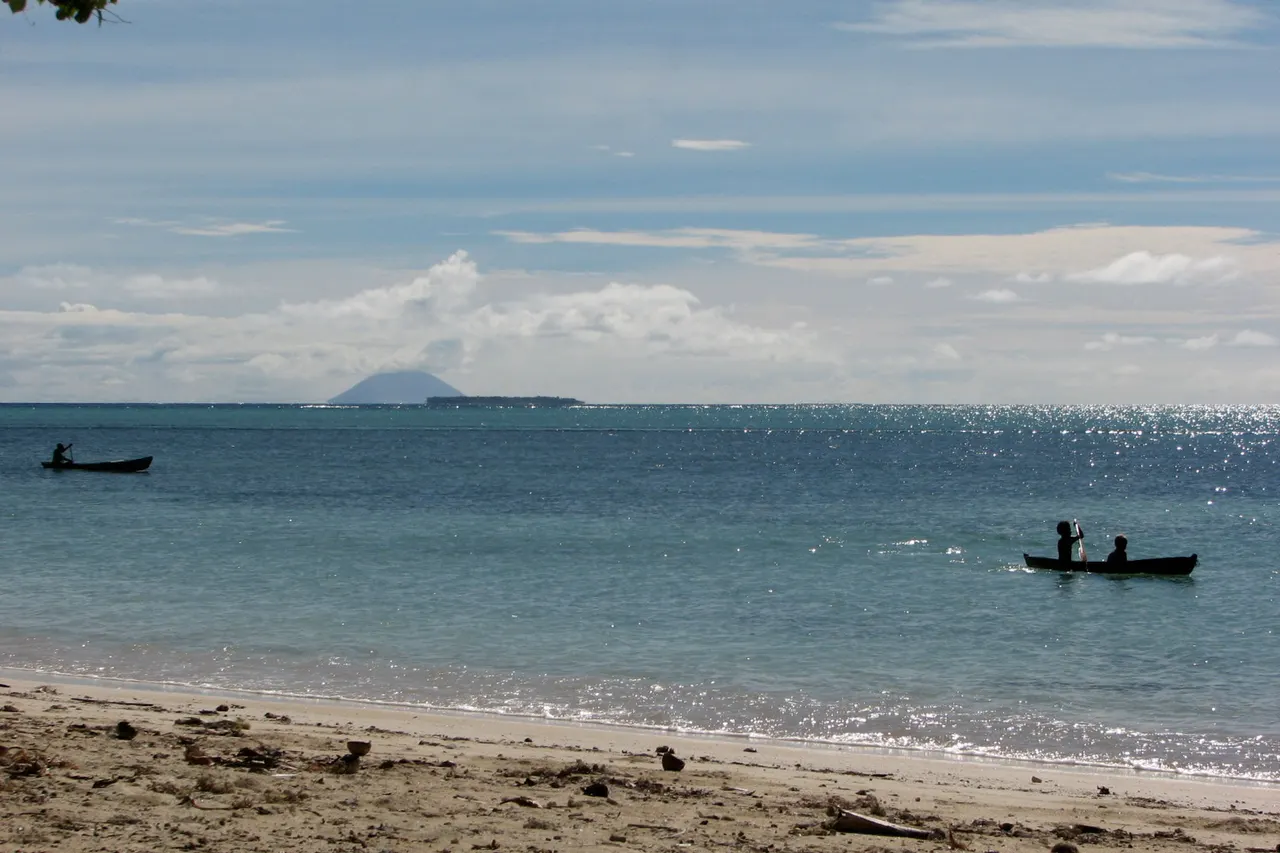
- The Western Province around Gizo, Munda and Marovo Lagoon has the best diving and island stays
- Guadalcanal and Honiara are full of WWII history from the 1942-43 campaign
- Fly via Brisbane, Nadi or Port Vila
- Facilities are simple, so it suits divers and adventurous travellers best
- Airports
- Honiara International (HIR) on Guadalcanal
- Flight time
- about 26-30h from London to Honiara, usually with two stops
- Best time to go
- May-November (drier season)
- Currency
- Solomon Islands dollar (SBD)
The Solomon Islands stretch across nearly 1,000 islands between Papua New Guinea and Vanuatu, and receive only a tiny number of tourists each year. That is their charm: clear lagoons with almost no other divers, WWII aircraft and ships resting on the reef, villages built over the water and some of the warmest hospitality in the Pacific.
It is a long and fairly expensive trip from the UK, and facilities outside Honiara are basic, so it suits divers, history buffs and travellers comfortable with simple eco-lodges. Cars drive on the left, plugs are the Australian type I, and the Solomons are 10 hours ahead of the UK in summer and 11 hours ahead in winter. This is one of our Oceania guides covering where to go, when to visit, getting there and costs in 2026.
Entry requirements
British passport holders do not normally need a visa in advance. A visitor's permit is usually issued on arrival, typically for up to 90 days in a 12-month period, if your passport is valid for at least six months and you have an onward ticket and enough funds. Petty crime and occasional civil unrest have affected Honiara, so avoid demonstrations. Rules change, so check GOV.UK foreign travel advice before booking.
Where to go in the Solomon Islands
Honiara and Guadalcanal
The capital is the arrival point and the base for exploring the battlefields of the Guadalcanal campaign, one of the turning points of the Pacific War. Sights include the US War Memorial on Skyline Ridge, Bloody Ridge, the Vilu open-air museum with aircraft wrecks, and Bonegi beach, where you can snorkel over a sunken Japanese transport ship from the shore. Iron Bottom Sound, offshore, holds dozens of wrecks.
Gizo and the Western Province
Gizo is the second town and the gateway to the Western Province, with dive resorts, Kennedy Island (where John F Kennedy swam ashore after his PT-109 boat sank) and reefs full of fish and coral. Nearby Munda has more wrecks and lodges, and Skull Island preserves ancestral shrines.
Marovo Lagoon
One of the world's largest saltwater lagoons, ringed by forested islands and dotted with villages known for wood carving. Eco-lodges offer kayaking, snorkelling and diving with very few other visitors.
Malaita and Langa Langa Lagoon
The most populous province, known for its artificial islands built from coral by the Lau and Langa Langa people and for shell money, still used in traditional exchanges. Facilities are minimal, so go with a local guide.
Best time to visit the Solomon Islands
| Season | What to expect |
|---|---|
| Drier season (May-November) | Lower rainfall, calmer seas and the best diving visibility |
| Wetter season (December-April) | Heavy downpours, high humidity; cyclone season, though the Solomons are less often hit than Vanuatu or Fiji |
Bring cash in Solomon dollars for outer islands, where there are few or no ATMs and cards are rarely accepted.
Getting to the Solomon Islands from the UK
There are no direct flights. The main route is via Brisbane, about three hours from Honiara, with Solomon Airlines or Virgin Australia. Solomon Airlines and Fiji Airways also connect via Nadi, and there are links with Port Vila and Port Moresby. Allow around 26-30 hours from London. The Solomons combine well with Australia, Vanuatu or Papua New Guinea.
Getting around
Solomon Airlines runs domestic flights from Honiara to Gizo, Munda, Seghe (for Marovo) and other airstrips, mostly in small planes with tight baggage limits. Boats, from motorised canoes to cargo ships, are the other way to get between islands. In Honiara, taxis are cheap; agree the fare first and avoid walking alone at night.
Money and costs
The Solomon Islands dollar is the currency. Simple lodges and guesthouses cost around SBD 500-1,200 a night, and dive resorts considerably more. A realistic mid-range budget is SBD 1,500-2,500 (about £140-240) per person per day including accommodation, meals and boat transfers, plus diving. ATMs are found in Honiara, Gizo and a few other towns. Tipping is not expected.
Frequently asked questions
Is the Solomon Islands good for diving?
Excellent. It combines healthy reefs with a huge number of WWII wrecks, both ships and aircraft, and very few divers. Gizo, Munda and Marovo Lagoon are the main dive centres.
Is it safe to visit the Solomon Islands?
Most visits are trouble-free, but there has been unrest in Honiara in the past and petty crime occurs. Stay informed, avoid crowds and protests, and take normal precautions at night.
How long should I spend in the Solomon Islands?
At least ten days, given the long journey: two nights in Honiara for WWII sites and a week in the Western Province.
What language is spoken in the Solomon Islands?
English is the official language, but Solomon Islands Pijin is the everyday language and there are dozens of local languages.
Written by
Anna Beach, family & practical travel editor
Anna knows which beach has shade at 3pm and which car hire excess is a rip-off. She covers sun, islands, family trips and practical travel tips.
More from AnnaWe research every guide carefully, but prices, opening times and timetables change. Check them shortly before you travel. Links to our booking partners are affiliate links.