- Vilnius has one of the largest baroque old towns in Central and Eastern Europe
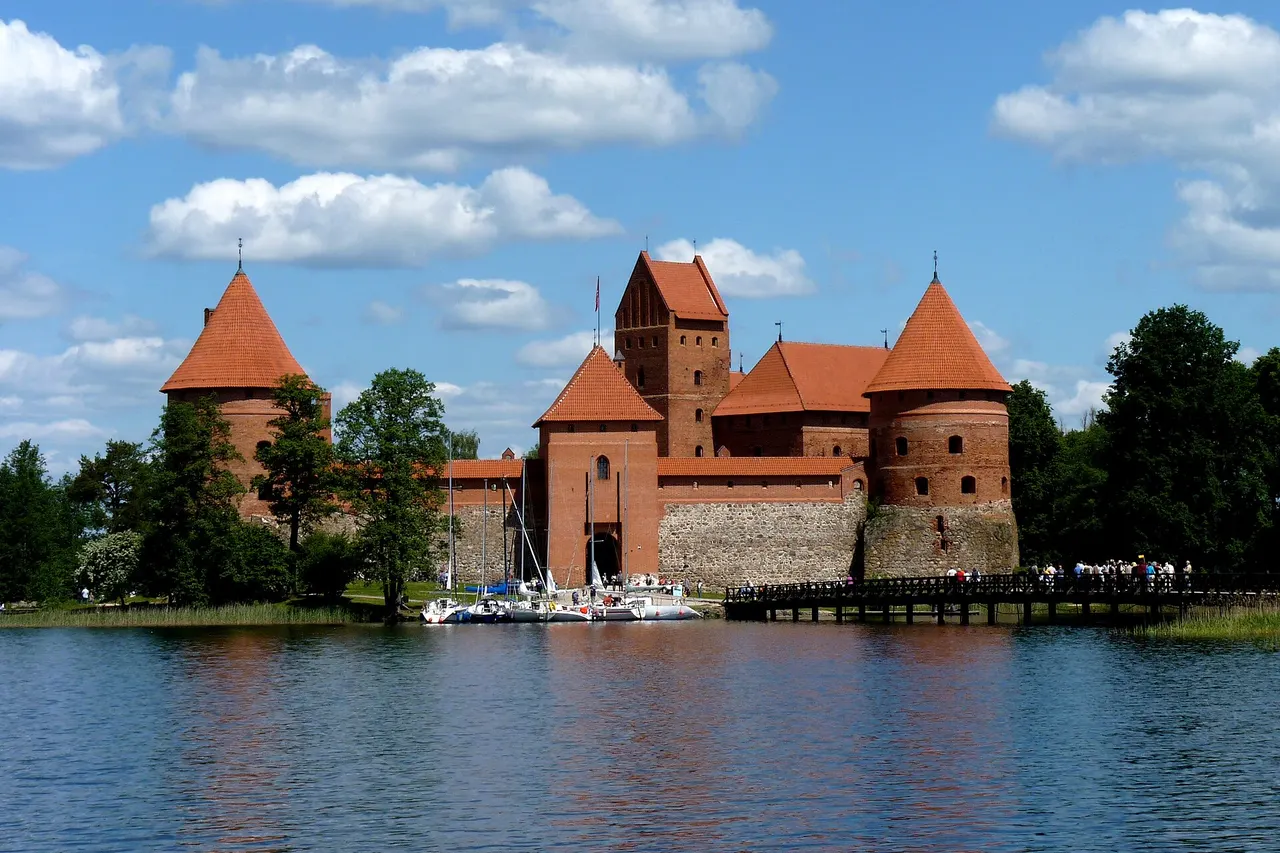
- Trakai's red-brick island castle is a short day trip from the capital
- The Curonian Spit's dunes and pine forests are a UNESCO-listed highlight
- Good value, with direct flights to both Vilnius and Kaunas
- Airports
- Vilnius (VNO), Kaunas (KUN), Palanga (PLQ)
- Flight time
- about 2h45 from London to Vilnius or Kaunas
- Best time to go
- May-September
- Currency
- Euro (€)
Lithuania is the largest and southernmost of the Baltic states, and still something of a secret for British travellers. Vilnius has a sprawling UNESCO-listed old town of baroque churches and courtyards, plus the self-declared artists' republic of Užupis. Trakai's island castle is a fairytale sight, and on the coast the Curonian Spit is a narrow ribbon of dunes, pine forest and fishing villages between the lagoon and the Baltic.
Flights take about two hours 45 minutes from London, and Lithuania is two hours ahead of the UK. Plugs are the European two-pin type (C and F) and cars drive on the right. English is widely spoken by younger people and in tourist areas. See our Europe guide for nearby countries.
Entry requirements
Lithuania is in the EU and the Schengen area. British passport holders can usually visit visa-free for up to 90 days in any 180-day period across Schengen countries. Your passport should have been issued within the last 10 years and be valid for at least three months after you leave. The EU's Entry/Exit System registers your fingerprints and photo on arrival. Rules change, so check GOV.UK foreign travel advice before booking.
Crossings on the border with Belarus have been closed or restricted at times, so check current guidance if you plan to travel onwards overland; this does not affect normal visits to Lithuania.
Where to go in Lithuania
Vilnius
Start at Cathedral Square and climb Gediminas Hill for views over the old town's spires. Wander Pilies Street, Vilnius University's courtyards and the Gates of Dawn chapel, then cross the river into bohemian Užupis with its constitution posted on a wall. The Museum of Occupations and Freedom Fights, in the former KGB building, is sobering and important.
Trakai
About 30 minutes from Vilnius, Trakai's Island Castle stands in Lake Galvė, reached by a wooden footbridge. The town is also home to the Karaim community; try their kibinai pastries. Boats and paddleboards can be hired on the lake in summer.
Kaunas
Lithuania's second city was the interwar capital and has a remarkable collection of 1920s and 30s modernist architecture, recognised by UNESCO. It also has a lively old town, a castle, the quirky Devil's Museum and a growing street art scene.
The Curonian Spit and Klaipėda
The Curonian Spit (Neringa) has some of Europe's highest drifting sand dunes, pine forests, and the wooden village of Nida, a peaceful summer retreat. Reach it by ferry from the port city of Klaipėda. Further north, Palanga is Lithuania's busiest beach resort.
The Hill of Crosses and beyond
Near Šiauliai, the Hill of Crosses is covered with hundreds of thousands of crosses left by pilgrims, a powerful symbol of Lithuanian faith and resistance. In the south, Druskininkai is a spa town by forests and rivers.
Best time to visit Lithuania
| Season | What to expect |
|---|---|
| Spring (April-May) | Cool, fresh, cheaper; Vilnius Kaziukas fair in March |
| Summer (June-August) | Warm, around 20-23 °C, Midsummer (Joninės), beach season on the coast |
| Autumn (September-October) | Golden colours, fewer visitors, cosy cafés |
| Winter (November-March) | Cold and snowy; Christmas tree and market in Cathedral Square |
Fly into Vilnius and out of Riga or Tallinn (or the reverse) to see all three Baltic capitals without backtracking.
Getting to Lithuania from the UK
Vilnius has direct flights from London on Ryanair, Wizz Air and airBaltic, and Kaunas has Ryanair routes from London and several regional UK airports, which can be cheaper. Palanga, on the coast, has some seasonal services. Flight time is about two hours 45 minutes. Buses link Vilnius with Riga in Latvia in about four hours, and there are trains and buses to Warsaw in Poland.
Getting around
Vilnius old town is best explored on foot, and buses and trolleybuses cover the rest of the city. A train links the airport with the centre in under 10 minutes. Trains connect Vilnius with Kaunas and Klaipėda, and buses serve Trakai and most towns. Car hire suits the countryside and coast, though you cannot take a hire car into the Russian part of the Curonian Spit. Bolt is widely used for cheap rides.
Money and costs
Lithuania uses the euro, and cards are widely accepted. It is good value by European standards: a mid-range trip costs roughly €70-110 per person per day including accommodation, and hearty Lithuanian dishes such as cepelinai are filling and inexpensive. A tip of around 10% is common in restaurants for good service.
Frequently asked questions
How many days do you need in Lithuania?
Three days covers Vilnius and Trakai. A week lets you add Kaunas, the Hill of Crosses and the Curonian Spit.
Is Vilnius good for a city break?
Yes. It is compact, walkable, good value and less crowded than many European capitals, with excellent cafés and craft beer.
Is Lithuania safe to visit?
Lithuania is generally safe. Take normal care with belongings and check GOV.UK foreign travel advice before you go.
Can you visit the Curonian Spit as a day trip?
Yes, from Klaipėda, but staying overnight in Nida lets you enjoy the dunes and beaches at their quietest.
Written by
Thomas Ski, mountains & expeditions editor
Thomas is happiest above the tree line or below the Antarctic Circle. He writes our ski, mountain and polar expedition guides.
More from ThomasWe research every guide carefully, but prices, opening times and timetables change. Check them shortly before you travel. Links to our booking partners are affiliate links.