- Spanish is the main language, a legacy of colonial rule
- Iberia's Madrid route is usually the easiest connection from the UK
- British visitors need a visa, now usually via an online eVisa
- Photography is tightly restricted, so ask first and avoid official buildings
- Airports
- Malabo International (SSG), Bata (BSG)
- Flight time
- about 9-10h from London to Malabo with one stop, usually in Madrid
- Best time to go
- December-February, the drier season on Bioko
- Currency
- Central African CFA franc (XAF)
Equatorial Guinea is one of the least-visited countries in Africa, split between the volcanic island of Bioko, where the capital Malabo sits, and the mainland region of Río Muni, wedged between Cameroon and Gabon. It is the only African country with Spanish as an official language, and Malabo's colonial cathedral and plazas give it a distinct feel. Beyond the city, Bioko's black-sand beaches host nesting turtles and its forests shelter rare monkeys.
Tourism infrastructure is limited and bureaucracy can be heavy, so it suits experienced travellers or those visiting with a specialist operator. Equatorial Guinea is on West Africa Time (UTC+1), the same as the UK in summer and one hour ahead in winter. Plugs are the European type C and E, and traffic drives on the right. This is one of our Africa destinations.
Where to go in Equatorial Guinea
Malabo
The capital has a compact old centre with the twin-spired Santa Isabel Cathedral, the Plaza de la Independencia and wooden colonial buildings, alongside new government districts. Sipopo, along the coast, is a purpose-built conference and resort area with beaches.
Ureca and southern Bioko
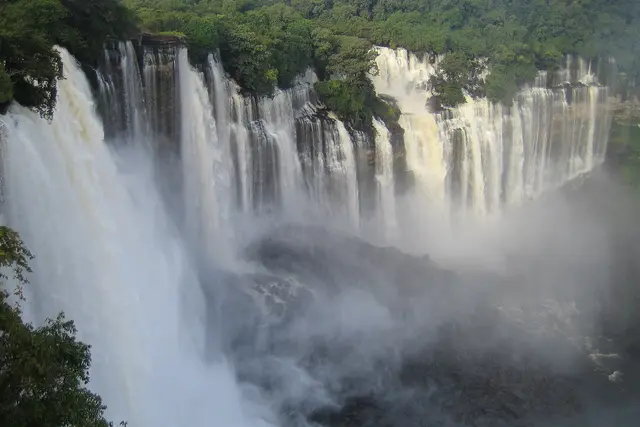
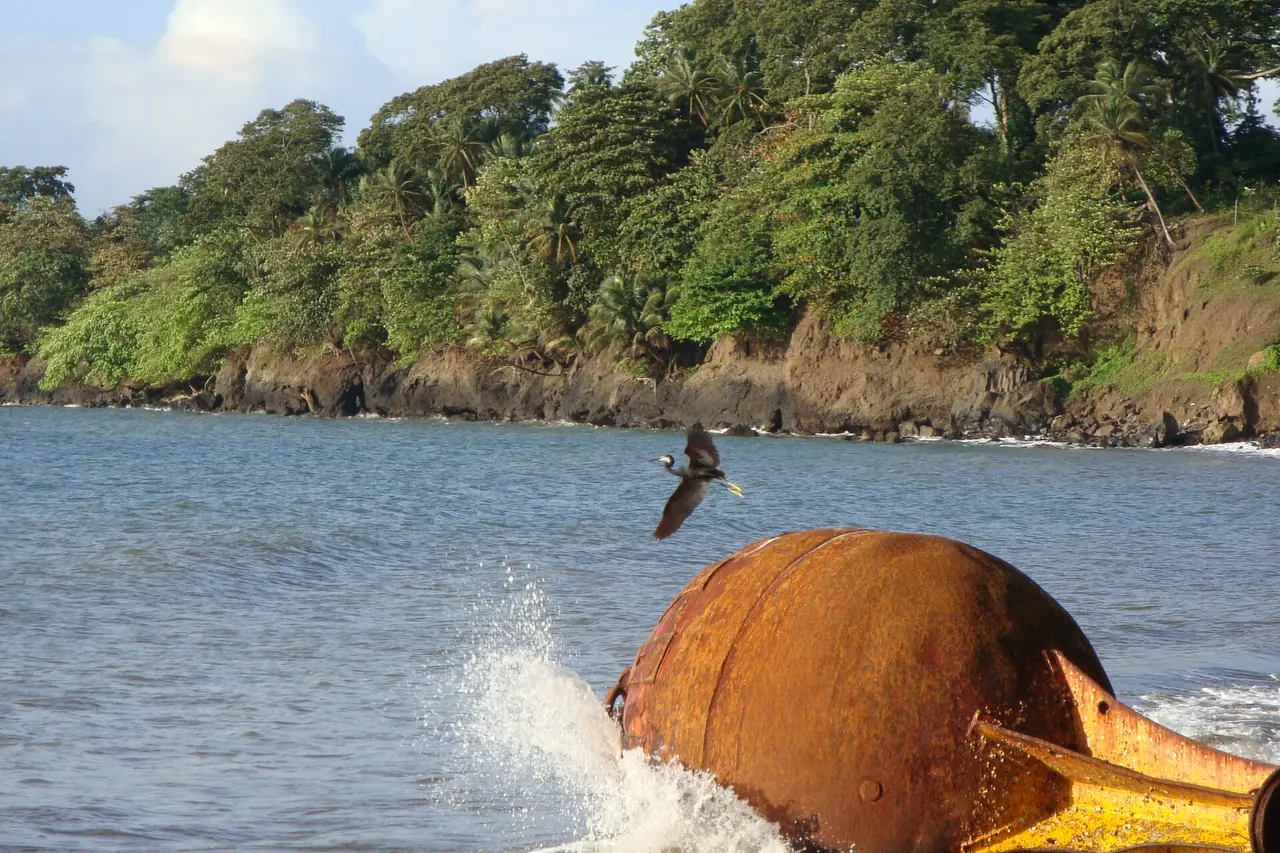
The remote village of Ureca, on Bioko's southern coast, is one of the most important nesting areas in the region for leatherback, green and olive ridley turtles, mainly between November and February. The Bioko Biodiversity Protection Program has run research and conservation here. Nearby beaches and waterfalls, such as the Iladyi cascades, are stunning.
Moka and Pico Basilé
The cool highlands around Moka have crater lakes and good hiking, while Pico Basilé, the country's highest point at about 3,000 m, offers views across to Mount Cameroon on clear days. Bioko is home to several endangered primates, including drills and Bioko red colobus.
Bata and Río Muni
Bata, the largest city on the mainland, has a long seafront promenade. Inland, Monte Alén National Park protects dense rainforest with gorillas, chimpanzees and forest elephants, though facilities are very basic.
Annobón
A tiny, remote volcanic island far to the south-west, reached by occasional flights or boats. It needs serious planning and special permission.
Best time to visit Equatorial Guinea
| Season | What to expect |
|---|---|
| Dry season on Bioko (December-February) | Least rain, best for hiking and turtle watching |
| Rainy season on Bioko (March-November) | Frequent heavy rain, especially in the south of the island |
| Mainland dry seasons (December-February, July-August) | Better conditions for reaching Monte Alén |
Getting to Equatorial Guinea from the UK
There are no direct flights from the UK. Iberia flies from Madrid to Malabo, making Madrid the most convenient connection, with a total journey of about 9-10 hours. Ethiopian Airlines via Addis Ababa, Turkish Airlines via Istanbul and Royal Air Maroc via Casablanca are other options, along with regional links from Douala and Libreville.
Entry requirements
British passport holders need a visa. Equatorial Guinea has introduced an online eVisa system, which is usually simpler than applying through an embassy, but processing times can be unpredictable, so apply well ahead. Your passport should be valid for at least six months, and a yellow fever vaccination certificate is required. A tourism permit may be needed for photography and for travel to some areas outside Malabo. Rules change, so check GOV.UK foreign travel advice before booking.
Getting around
Taxis are the main way to get around Malabo and Bata; agree fares in advance. Exploring Bioko is easiest with a hired car and driver or a local guide, as roads are good but checkpoints are frequent. Domestic flights link Malabo and Bata in under an hour.
Money and costs
Equatorial Guinea uses the Central African CFA franc, pegged to the euro. It is expensive, particularly in Malabo, where hotels are aimed at business and oil-industry travellers. Expect around £120-200 per person per day for a mid-range trip with a driver. Cards work in large hotels only, so bring euros in cash.
Carry your passport, visa and any tourism permit at all times and keep copies, as police checkpoints are frequent.
Frequently asked questions
Do they speak English in Equatorial Guinea?
Rarely. Spanish is the main language, with French and Portuguese also official. Some Spanish makes a big difference.
Can I take photos in Equatorial Guinea?
Only with care. Photographing government buildings, the presidential palace, airports and security forces is forbidden, and a photography permit has been required in the past. Always ask before photographing people.
When can I see turtles on Bioko?
Mainly between November and February on the southern beaches near Ureca, ideally with a local guide.
Written by
Emma City breaks & deals editor
Emma plans city breaks the way other people plan the weekly shop: on a budget, with a spreadsheet and a backup plan. She covers city guides and deal-hunting.
More from EmmaWe research every guide carefully, but prices, opening times and timetables change. Check them shortly before you travel. Links to our booking partners are affiliate links.