- Southern resorts are 25-50 minutes from the airport and sunnier than the north
- Playa del Inglés is lively, Meloneras is upmarket, Puerto Rico and Mogán suit families
- Climb into the mountains for Roque Nublo and Tejeda
- Same time as the UK, with winter highs around 22-24 °C in the south
- Airports
- Gran Canaria (LPA)
- Best time to go
- All year; October-April for winter sun
- Type
- Island
Gran Canaria is often called a "continent in miniature". In a single day you can walk across the Maspalomas sand dunes, drive up into pine forests and volcanic peaks nearly 2,000 metres high, and finish with tapas in the old quarter of Las Palmas. For UK holidaymakers its draw is simple: reliable winter warmth, a huge choice of resorts and frequent flights.
Flights take about 4h30 from London, with direct routes from most UK airports. The Canary Islands share UK time, plugs are European two-pin and traffic drives on the right. For the island group, see our Canary Islands guide and Spain guide.
Where to stay
- Playa del Inglés – the south's biggest and liveliest resort, with a long beach, shopping centres and nightlife. Well known as one of Europe's most LGBTQ+-friendly destinations.
- Maspalomas – next to the dunes and the lighthouse, with a broad beach and a mix of hotels and bungalows. Good for couples and families.
- Meloneras – the most upmarket area, with smart hotels, a promenade of restaurants and golf. Ideal for couples.
- San Agustín – a quieter, older resort east of Playa del Inglés, popular with mature travellers.
- Puerto Rico and Amadores – sheltered, sandy bays in a sunny valley, very popular with families; Amadores is the calmer of the two.
- Puerto de Mogán – a pretty harbour village of canals and bougainvillea, nicknamed "Little Venice". Best for couples.
- Las Palmas – the capital, with the city beach of Las Canteras and the historic Vegueta quarter. Great for a city-and-beach mix, though cloudier than the south.
The south and south-west are noticeably sunnier than the north. If guaranteed sunshine is the priority, stay between San Agustín and Mogán.
Things to do
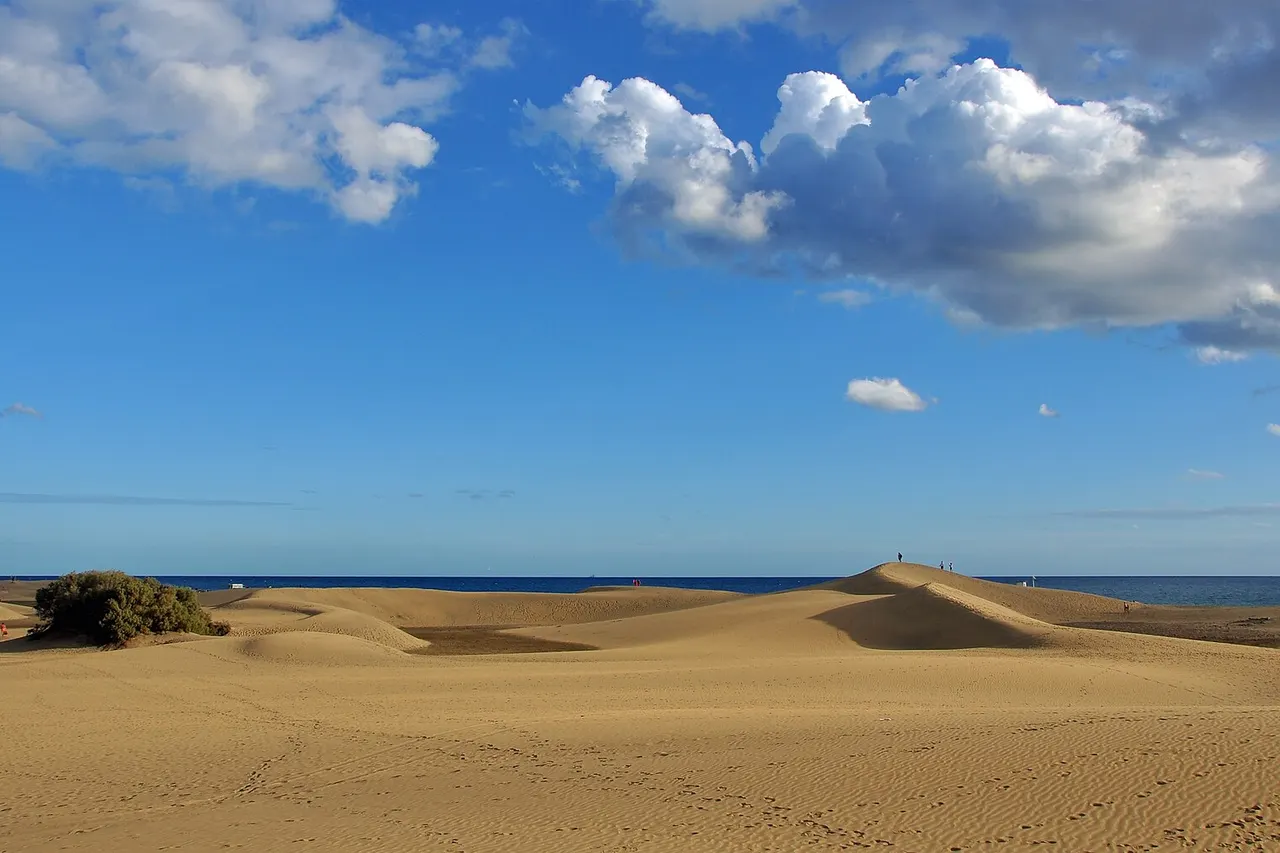
- Maspalomas Dunes – a protected nature reserve of rolling sand dunes by the sea; stick to marked paths.
- Roque Nublo – a volcanic rock pinnacle reached by a short, popular hike; go early for parking.
- Tejeda and Pico de las Nieves – a mountain village with famous almond sweets, and the island's highest viewpoint.
- Puerto de Mogán – the Friday market, canals and boat trips along the coast.
- Vegueta, Las Palmas – cobbled streets, the cathedral and Casa de Colón, linked to Columbus's voyages.
- Las Canteras beach – a city beach protected by a natural reef, good for snorkelling.
- Palmitos Park and Aqualand – a wildlife park and a water park near Maspalomas, both strong with children.
- Teror, Fataga and Agaete – traditional villages, a lush valley and coffee grown in the north-west.
Best time to visit
| Season | Weather | Good for |
|---|---|---|
| November-February | 22-24 °C (south) | Winter sun, Christmas |
| March-May | 24-26 °C | Easter, hiking |
| June-August | 27-29 °C | Families, steady breezes |
| September-October | 27-28 °C | Warmest sea, good value |
Gran Canaria's carnivals run around February and March, with Las Palmas and Maspalomas hosting the biggest parades. Occasional dust-laden winds (calima) can bring hazy, hot days.
Getting there
Gran Canaria airport (LPA) is on the east coast, between Las Palmas and the southern resorts. Approximate transfer times: Las Palmas 25 minutes, San Agustín 25 minutes, Playa del Inglés 25–30 minutes, Maspalomas and Meloneras 30–35 minutes, Puerto Rico 40 minutes, Amadores 45 minutes, Puerto de Mogán about 50 minutes. Global buses run from the airport to Las Palmas and the south.
Getting around
Global's bus network is cheap and covers the coast well, including Las Palmas to the southern resorts in about an hour. For the mountains, a hire car or guided tour is best; roads are good but steep and winding. Taxis are easy to find in the resorts.
Gran Canaria is good value outside peak weeks. Allow about €60–100 a day per person for meals and activities, more in Meloneras and Mogán.
Top attractions in Gran Canaria
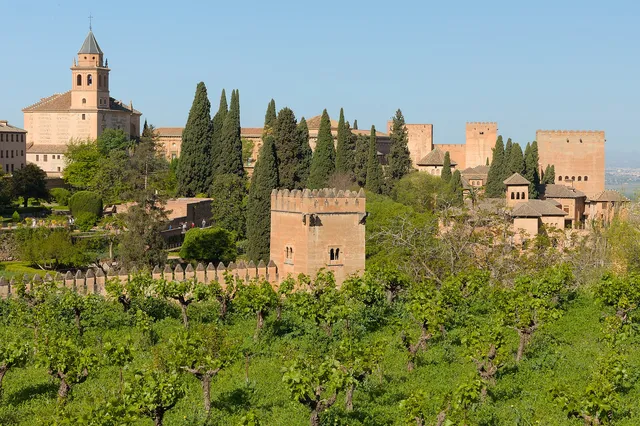 Landmark
Alhambra
A hilltop palace-fortress of carved stucco, tiled courtyards and water gardens, the Alhambra is the high point of…
 Landmark
Park Güell
Gaudí's hillside park of mosaic benches, gingerbread-style lodges and a famous dragon, with sweeping views over…
 Museum
Prado Museum
One of the world's great art museums, the Prado holds Spain's royal collection, from Velázquez's Las Meninas to Goya's…
 Landmark
Real Alcázar
A dazzling Mudéjar palace and gardens in the heart of Seville, still used by the Spanish royal family and famous as the…
 Landmark
Sagrada Família
Gaudí's unfinished basilica, with its forest-like nave and glowing stained glass, is Barcelona's must-book sight.
 Nature
Serra de Tramuntana
A UNESCO-listed mountain range of stone villages, olive terraces and hairpin roads along Mallorca's north-west coast.
Gran Canaria on the map
Frequently asked questions
Which Gran Canaria resort is best for families?
Puerto Rico and Amadores have sheltered, calm beaches, and Maspalomas suits families who want space and easy access to the water and wildlife parks.
Which area is best for couples?
Meloneras for upmarket hotels and dining, or Puerto de Mogán for a romantic harbour setting.
Is Gran Canaria warm in December?
Yes, usually around 22–24 °C by day in the south, with cooler evenings and a sea of about 20 °C.
Gran Canaria or Tenerife?
Both are excellent for winter sun. Tenerife has Mount Teide and more theme parks; Gran Canaria has the dunes and a livelier capital. For something calmer, try Lanzarote or Fuerteventura.
Written by
Emma City breaks & deals editor
Emma plans city breaks the way other people plan the weekly shop: on a budget, with a spreadsheet and a backup plan. She covers city guides and deal-hunting.
More from EmmaWe research every guide carefully, but prices, opening times and timetables change. Check them shortly before you travel. Links to our booking partners are affiliate links.