- British visitors need an e-Visa arranged online before travel, plus a yellow fever certificate
- On GMT, so no time difference with the UK in winter
- Lomé, Kpalimé and Lake Togo are all close together in the south
- FCDO advises against travel to parts of the far north
- Airports
- Lomé Gnassingbé Eyadéma (LFW)
- Flight time
- about 9-11h from London to Lomé, usually with one stop
- Best time to go
- November-March, the dry season
- Currency
- West African CFA franc (XOF)
Togo is a narrow sliver of a country squeezed between Ghana and Benin, and it packs a lot into a small space. The capital, Lomé, has palm-lined beaches, a famous fetish market and an easy-going café culture. A couple of hours inland, the hills around Kpalimé are cool, green and full of waterfalls, cocoa plantations and butterflies, while in the north the fortress-like mud tower houses of Koutammakou are one of West Africa's most remarkable sights.
Togo is on GMT all year, the same as the UK in winter and one hour behind in summer. Plugs are the European two-pin type, traffic drives on the right and French is the official language. This Africa guide covers where to go, when and how to plan a trip. Togo is often combined with Ghana and Benin, as all three are within a few hours' drive along the coast.
Where to go in Togo
Lomé
Lomé is one of West Africa's most relaxed capitals. Explore the Grand Marché, where the famous "Nana Benz" women traders made fortunes selling wax-print cloth, and the Akodessewa fetish market, a striking display of traditional medicine and Vodun objects. The seafront boulevard, the Independence Monument and the beaches east of the city are pleasant for an evening stroll.
Lake Togo and Togoville
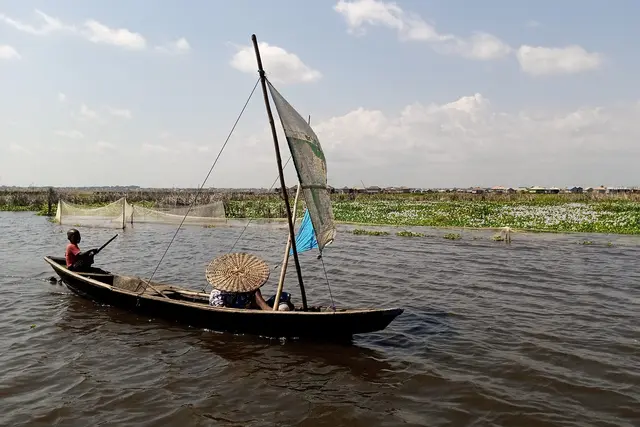
About 30km east of Lomé, Lake Togo is a quiet lagoon for swimming, pirogue trips and weekend breaks. Across the water, Togoville was where the 1884 treaty with Germany was signed and has a cathedral and Vodun shrines.
Aného
Near the Benin border, the old colonial town of Aného has faded German and Afro-Brazilian buildings, a lagoon and a lively market.
Kpalimé and Mount Agou
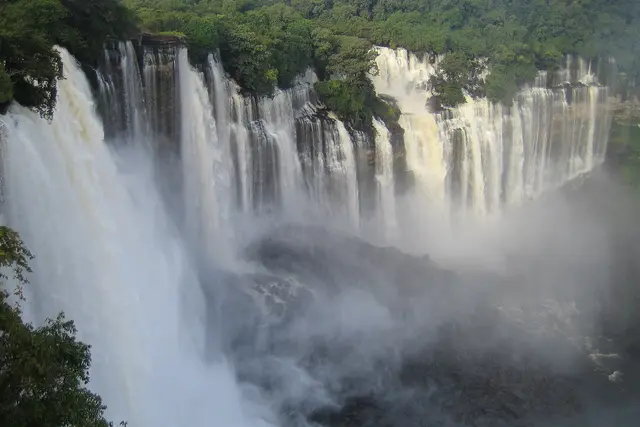
Two hours north-west of Lomé, Kpalimé is Togo's hiking hub. Guided walks lead through forest and cocoa and coffee plantations to waterfalls such as Kpimé and Womé, and Mount Agou, the country's highest peak at just under 1,000m, has views to Ghana. The Centre Artisanal is good for crafts.
Atakpamé and the plateau
Further north, the area around Atakpamé and Badou has more waterfalls, including the Akloa falls, and fewer visitors.
Koutammakou
In the north-east near the Benin border, Koutammakou is the land of the Batammariba people, whose two-storey tata houses of mud and straw look like small castles. It is a UNESCO World Heritage Site, but it lies in the north, so check current FCDO advice before planning a visit.
Best time to visit Togo
| Season | What to expect |
|---|---|
| Dry season (November-March) | Hot and sunny, with Harmattan haze in December-February; best for travel |
| Long rains (April-July) | Heavy rain in the south, lush landscapes |
| Short dry season (August) | A drier, slightly cooler break on the coast |
| Short rains (September-October) | Showers in the south; the north is wettest around August |
Getting to Togo from the UK
There are usually no direct flights from the UK. Lomé is a hub for ASKY Airlines, which works with Ethiopian, and you can connect via Addis Ababa, Paris (Air France), Brussels (Brussels Airlines) or Istanbul (Turkish Airlines), with total journeys of about nine to eleven hours. Gnassingbé Eyadéma International Airport (LFW) is about 15-20 minutes from central Lomé.
Entry requirements
British passport holders need a visa for Togo, applied for online as an e-Visa through the official government portal before travel. Your passport should be valid for at least six months, and a yellow fever vaccination certificate is required for entry. FCDO advises against all travel to parts of the far north near the border with Burkina Faso and against all but essential travel to the wider Savanes region. Rules change, so check GOV.UK foreign travel advice before booking.
Getting around
Zémidjans (motorbike taxis) and shared taxis are the cheapest way around Lomé and between towns. Bush taxis and minibuses run to Kpalimé and Atakpamé. Roads in the south are generally decent, and a car with a driver makes it easy to combine Lomé, Lake Togo and Kpalimé. The border crossing to Ghana is right on the edge of Lomé.
Hire a local guide in Kpalimé for forest walks; they know the trails, can find the waterfalls and help spot butterflies and birds.
Money and costs
The CFA franc is pegged to the euro at about 656 XOF to €1. ATMs are available in Lomé and larger towns, but carry cash in rural areas, and bring euros to change. Togo is good value: allow around 25,000-50,000 XOF (roughly £30-65) per person per day for mid-range travel, plus accommodation.
Frequently asked questions
Is Togo safe to visit?
The south, including Lomé, Lake Togo and Kpalimé, is generally safe for visitors, with normal precautions. FCDO advises against travel to parts of the far north, so check the latest advice.
Do British citizens need a visa for Togo?
Yes. Apply online for an e-Visa before you travel, and carry your yellow fever certificate.
Can you combine Togo with Ghana and Benin?
Yes. The three countries are close together along the coast, and a two-week overland trip from Accra to Cotonou via Lomé is a popular itinerary.
Is Togo good for hiking?
Yes. The hills around Kpalimé and Mount Agou are the best area, with forest trails, waterfalls and cooler temperatures than the coast.
Written by
Thomas Ski, mountains & expeditions editor
Thomas is happiest above the tree line or below the Antarctic Circle. He writes our ski, mountain and polar expedition guides.
More from ThomasWe research every guide carefully, but prices, opening times and timetables change. Check them shortly before you travel. Links to our booking partners are affiliate links.