- An off-the-beaten-track Indian Ocean destination, with very limited tourism
- British visitors can get a visa on arrival
- Mohéli is best for nature and nesting turtles
- Conservative Muslim culture, so dress modestly
- Airports
- Moroni Prince Said Ibrahim (HAH)
- Flight time
- about 12-14h from London to Moroni, usually with one stop
- Best time to go
- May-October for the cooler, drier season
- Currency
- Comorian franc (KMF)
The Comoros are a volcanic archipelago between Mozambique and Madagascar, made up of Grande Comore, Mohéli and Anjouan. Their landscapes are dramatic, from the active Mount Karthala volcano to black-sand beaches and reefs, and the scent of ylang-ylang and vanilla hangs over the plantations. Tourism is undeveloped, which is both the appeal and the challenge.
For UK travellers, the Comoros are three hours ahead of the UK in winter and two hours in summer. Cars drive on the right, and sockets take European type C and E plugs. French, Arabic and Comorian are official languages. The islands are deeply Muslim, so dress modestly and expect life to slow down during Ramadan. This guide is part of our Africa section; the islands can be combined with Madagascar or Tanzania.
Entry requirements
British passport holders need a visa, which is usually issued on arrival at Moroni airport for a fee, or can be applied for online in advance. Your passport should be valid for at least six months, and you may be asked for a return ticket and accommodation details. A yellow fever certificate may be required if you arrive from a risk country. The French island of Mayotte, while geographically part of the archipelago, has separate French entry rules. Rules change, so check GOV.UK foreign travel advice before booking.
Where to go in the Comoros
Grande Comore (Ngazidja)
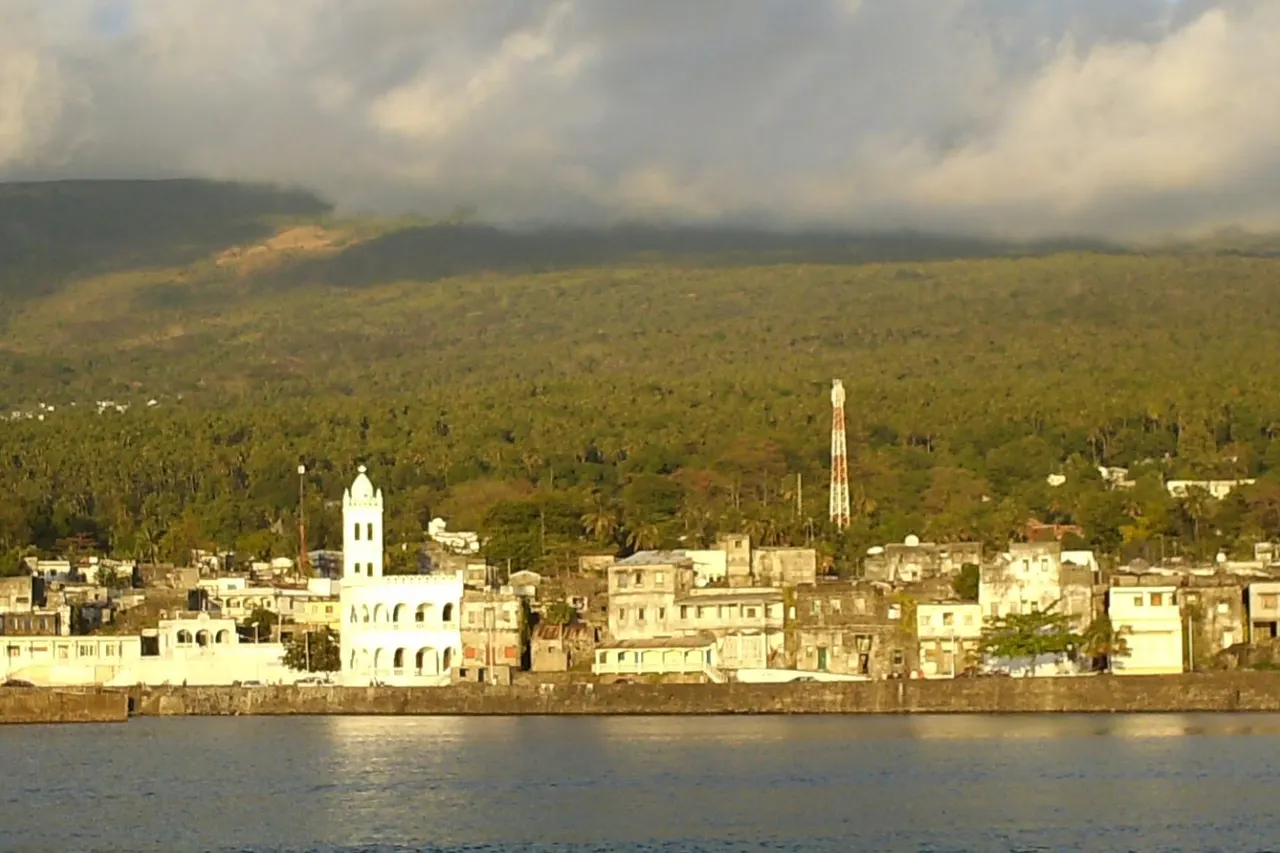
The largest island is home to the capital, Moroni, with its Old Friday Mosque on the harbour and a maze-like medina. Mount Karthala, one of the world's largest active volcanoes, can be climbed with a guide over one or two days. Beaches such as Mitsamiouli and Chomoni have white sand against black lava.
Mohéli (Mwali)
The smallest and least developed island is the best for nature. The Mohéli National Park protects coral reefs and islets, and green turtles nest year-round at Itsamia. Humpback whales pass offshore from about July to October.
Anjouan (Ndzuwani)
Anjouan has steep green mountains, waterfalls, and ylang-ylang distilleries. The old town of Mutsamudu has a citadel and narrow streets.
Best time to visit the Comoros
| Season | What to expect |
|---|---|
| May-October | Cooler and drier, the most comfortable time to visit; whales offshore from July |
| November-April | Hot, humid and rainy, with a risk of cyclones from January to March |
| Ramadan | Restaurants close during daylight hours and life slows down |
Inter-island flights and boats can be cancelled at short notice, so keep your itinerary flexible and allow a buffer before your flight home.
Getting to the Comoros from the UK
There are no direct flights. The most common routes are via Nairobi with Kenya Airways, via Addis Ababa with Ethiopian Airlines, or via Dar es Salaam with Air Tanzania. Expect about 12 to 14 hours in total. There are also regional connections from Madagascar and Mayotte.
Getting around
Small domestic flights and boats link the islands, but schedules are irregular and boats can be uncomfortable in rough seas. On each island, shared taxis are the main form of public transport. Hiring a car with a driver is easiest, and roads are narrow and winding.
Money and costs
The Comorian franc is pegged to the euro, and euros are the most useful foreign currency to bring. Cards are accepted in very few places and ATMs may not take foreign cards, so carry enough cash. Accommodation is limited and can be pricey for the standard. Expect about £70-130 per person per day for mid-range travel with guides and transfers.
Frequently asked questions
Is the Comoros safe to visit?
Most visits pass without problems, but political tension can flare, especially around elections. Avoid demonstrations and check the latest advice before travel.
Can you climb Mount Karthala?
Yes, with a local guide. The climb usually takes one or two days, and conditions can be very wet and muddy.
Is Mayotte part of the Comoros?
No. Mayotte is administered by France, although the Comoros claims it. It uses the euro and has different entry rules.
Do I need malaria tablets for the Comoros?
Malaria is present on the islands, so antimalarials are usually recommended. Speak to a travel clinic before you go.
Written by
Emma City breaks & deals editor
Emma plans city breaks the way other people plan the weekly shop: on a budget, with a spreadsheet and a backup plan. She covers city guides and deal-hunting.
More from EmmaWe research every guide carefully, but prices, opening times and timetables change. Check them shortly before you travel. Links to our booking partners are affiliate links.