- Metro lines 3 and 5 run from the airport to the centre in about 25 minutes
- Stay in Ciutat Vella or Ruzafa for the city, Malvarrosa or Cabanyal for the beach
- Eat paella at lunchtime, the local way, ideally out at the Albufera lagoon
- Las Fallas (15-19 March) is spectacular but loud, busy and pricey
- Airports
- Valencia (VLC); Alicante (ALC) is about 2 hours away
- Best time to go
- March-June and September-October
- Type
- City
Valencia is the city break that doubles as a beach holiday. Spain's third-largest city has a walkable old town with a Gothic cathedral and a UNESCO-listed silk exchange, the striking white buildings of the City of Arts and Sciences, a 9-kilometre park in an old riverbed, and wide sandy beaches a short tram ride from the centre. It is also the home of paella, and still noticeably cheaper than Barcelona or Madrid.
Direct flights take about 2h20 from London, with routes from many UK airports including Manchester, Bristol, Birmingham and Edinburgh (some seasonal). Spain is one hour ahead of the UK, plugs are the two-pin European type (C/F), and traffic drives on the right. For the rest of the country, see our Spain guide.
Where to stay
- Ciutat Vella (old town) – best for first-timers, with the cathedral, Central Market and La Lonja on your doorstep. El Carmen, its western half, is the liveliest corner at night.
- Ruzafa (Russafa) – a fashionable district just south of the centre, packed with cafés, brunch spots and independent bars. Good for couples and foodies.
- City of Arts and Sciences area – modern hotels, easy parking and short walks to the Oceanogràfic, handy for families.
- Cabanyal and Malvarrosa – the old fishermen's quarter and the main city beach. Ideal if you want sand every day and the city on the tram.
- Patacona and Port Saplaya – quieter beachside spots just north of the city limits, with more apartments than hotels.
Valencia's metro and tram network covers the airport, old town and beaches, so you rarely need a taxi.
Things to do
- City of Arts and Sciences – Santiago Calatrava's futuristic complex, including a science museum, planetarium and opera house. The outside is free to wander.
- Oceanogràfic – one of Europe's largest aquariums; book ahead in summer.
- Turia Gardens – a green ribbon in the old riverbed, perfect for cycling from the old town to the City of Arts and Sciences.
- Central Market and La Lonja – a beautiful modernist food hall facing the 15th-century Silk Exchange, a UNESCO World Heritage Site.
- Valencia Cathedral – climb the Miguelete bell tower for views, and see the chalice the cathedral claims is the Holy Grail.
- Albufera Natural Park – a freshwater lagoon and rice fields about 20 minutes south, with sunset boat trips and paella restaurants in El Palmar.
- The beaches – Malvarrosa and Las Arenas are broad, sandy and backed by a promenade of seafood restaurants.
- Bioparc – an immersive zoo focused on African habitats, popular with children.
Best time to visit
| Season | Weather | Good for |
|---|---|---|
| March-May | 18-24 °C | Las Fallas, sightseeing, cycling |
| June-August | 28-32 °C, humid | Beaches, long evenings |
| September-October | 24-28 °C | Warm sea, fewer crowds |
| November-February | 15-18 °C | Cheap city breaks, mild sun |
Las Fallas in mid-March brings giant satirical sculptures, daily firecracker displays and a final night of bonfires. Book accommodation months ahead and expect higher prices that week.
Getting there
Valencia airport (VLC) is about 8 km west of the city. Metro lines 3 and 5 reach the centre (Xàtiva or Colón) in about 25 minutes, and a taxi takes roughly 20 minutes depending on traffic. Beach hotels are about 30–35 minutes by taxi. Alicante airport, which has more UK routes, is about two hours by car or train.
From Madrid, high-speed trains take around 1h40 to 2 hours, so Valencia combines well with a Madrid break.
Getting around
The centre is flat and compact, so walking and cycling are the best options; Valenbisi public bikes and rental shops are everywhere. Trams run from the city to the beach in about 20 minutes, and buses fill the gaps. You only need a car for trips beyond the city, such as the Costa Blanca resorts to the south.
Valencia is good value for a Spanish city. Allow about €80–120 a day per person for a mid-range trip excluding accommodation, or less if you stick to menú del día lunches, which often cost about €13–18 for three courses.
Top attractions in Valencia
 Landmark
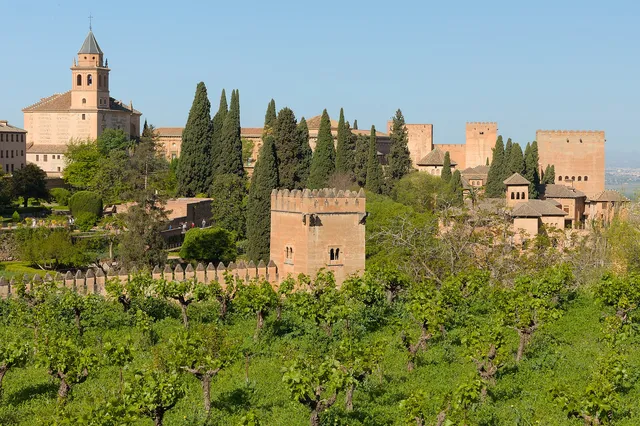
Alhambra
A hilltop palace-fortress of carved stucco, tiled courtyards and water gardens, the Alhambra is the high point of…
 Landmark
Park Güell
Gaudí's hillside park of mosaic benches, gingerbread-style lodges and a famous dragon, with sweeping views over…
 Museum
Prado Museum
One of the world's great art museums, the Prado holds Spain's royal collection, from Velázquez's Las Meninas to Goya's…
 Landmark
Real Alcázar
A dazzling Mudéjar palace and gardens in the heart of Seville, still used by the Spanish royal family and famous as the…
 Landmark
Sagrada Família
Gaudí's unfinished basilica, with its forest-like nave and glowing stained glass, is Barcelona's must-book sight.
 Nature
Serra de Tramuntana
A UNESCO-listed mountain range of stone villages, olive terraces and hairpin roads along Mallorca's north-west coast.
Valencia on the map
Frequently asked questions
Is Valencia good for a beach holiday?
Yes. The city beaches are long, sandy and easy to reach, but they are urban beaches. For a classic resort holiday, look at Benidorm or elsewhere on the Costa Blanca.
How many days do you need in Valencia?
Three days covers the old town, City of Arts and Sciences and a beach afternoon. Add a day or two for the Albufera and a trip to Alicante or the coast.
Is Valencia better than Barcelona for a city break?
They are different. Barcelona has more famous sights; Valencia is usually cheaper, calmer and easier to combine with beach time.
Is Valencia good for families?
Very. The Oceanogràfic, Bioparc, Turia Gardens playgrounds and safe city beaches keep children busy, and the metro makes getting around easy with a pushchair.
Written by
Thomas Ski, mountains & expeditions editor
Thomas is happiest above the tree line or below the Antarctic Circle. He writes our ski, mountain and polar expedition guides.
More from ThomasWe research every guide carefully, but prices, opening times and timetables change. Check them shortly before you travel. Links to our booking partners are affiliate links.