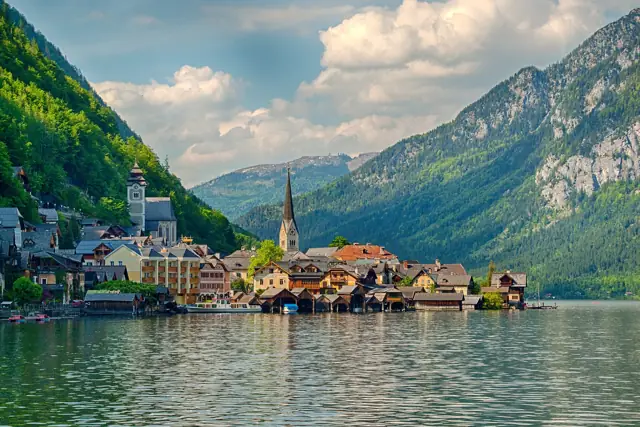
- Stockholm is spread over 14 islands and is best explored on foot and by ferry
- Lapland offers Northern Lights, dog sledding and the Icehotel in winter
- Sweden is almost cashless, so a card or phone is all you need
- Prices are high, so budget for eating out
- Airports
- Stockholm Arlanda (ARN), Gothenburg Landvetter (GOT), Kiruna (KRN), Luleå (LLA); Copenhagen (CPH) for Malmö
- Flight time
- about 2h20 from London to Stockholm; about 3h to Kiruna, often with one stop
- Best time to go
- June-August for long days and the archipelago; December-March for Lapland and the Northern Lights
- Currency
- Swedish krona (SEK)
Sweden is easy, friendly and spectacular in very different ways through the year. In summer, Stockholm's waterfront glows until late at night, the archipelago fills with sailing boats and swimmers, and the countryside is all lakes, forests and red wooden cottages. In winter, Swedish Lapland turns into a world of snow, husky sledding, reindeer and the Northern Lights, with the original Icehotel in Jukkasjärvi. Everyone seems to speak excellent English.
Sweden is one hour ahead of the UK, cars drive on the right and plugs are the two-pin European type. It combines well with Norway, Finland and Denmark. This Europe guide covers where to go, when, and what it costs in 2026.
Entry requirements
Sweden is in the EU and the Schengen area. British passport holders can usually visit visa-free for up to 90 days in any 180-day period across Schengen countries. Your passport should have been issued within the last 10 years and be valid for at least three months after you leave. The EU's Entry/Exit System registers your fingerprints and photo on arrival, and the ETIAS travel authorisation is expected to be required in future. Rules change, so check GOV.UK foreign travel advice before booking.
Where to go in Sweden
Stockholm
Wander the cobbled lanes of Gamla Stan, the old town, see the Royal Palace and the striking City Hall, and spend time on Djurgården, home to the Vasa Museum (with a 17th-century warship raised from the harbour), Skansen open-air museum and the ABBA Museum. Södermalm has the best cafés, vintage shops and viewpoints.
The Stockholm archipelago
Tens of thousands of islands stretch out from the capital. Ferries reach Vaxholm, Grinda, Sandhamn and Utö in an hour or two, ideal for swimming, cycling and seafood in summer.
Gothenburg and the west coast
Sweden's second city is laid-back and foodie, with canals, the Liseberg amusement park and the Haga district famous for giant cinnamon buns. North of the city, the Bohuslän coast has granite islands, fishing villages such as Smögen and Fjällbacka, and excellent shellfish.
Swedish Lapland
In the Arctic north, Kiruna and Abisko are top spots for the Northern Lights from roughly September to March, with Abisko known for its clear skies. The Icehotel at Jukkasjärvi is rebuilt each winter, and Luleå has a frozen archipelago. In summer, the midnight sun lights hiking trails such as the Kungsleden.
Malmö, Skåne and Gotland
Malmö, across the Øresund Bridge from Copenhagen, has a lively food scene and the Turning Torso tower. Skåne, the southern region, has beaches, castles and farmland. The island of Gotland has the medieval walled town of Visby, a UNESCO site, and is a favourite Swedish summer escape.
Best time to visit Sweden
| Season | What to expect |
|---|---|
| Spring (April-May) | Lengthening days, cool but bright; late snow in the north |
| Summer (June-August) | Long light days, Midsummer celebrations, warm enough to swim; peak season |
| Autumn (September-October) | Autumn colours, first Northern Lights in Lapland, quieter and cheaper |
| Winter (November-March) | Dark and cold; Lapland at its best for snow and aurora, Christmas markets in Stockholm |
Getting to Sweden from the UK
Flights to Stockholm Arlanda take about two hours 20 minutes, with British Airways, SAS, Norwegian and low-cost airlines flying from London and some regional airports. Gothenburg Landvetter has direct UK routes too. For Malmö, fly to Copenhagen and take the train across the Øresund Bridge in about 25 minutes. For Lapland, connect via Stockholm to Kiruna or Luleå; winter charter and package flights from the UK also run to Kiruna and nearby airports.
Getting around
Trains are comfortable and connect the main cities; Stockholm to Gothenburg takes about three to three and a half hours, and an overnight train runs from Stockholm to Kiruna and Abisko. Domestic flights are quickest for the far north. In Stockholm, the metro, trams, buses and ferries share one ticketing system. Car hire is useful in the countryside; winter driving in the north needs experience, and rental cars come with winter tyres.
Money and costs
The Swedish krona (SEK) is the currency, but Sweden is almost cashless: many places only take cards or mobile payments. It is expensive, especially for eating out and alcohol. Budget around 1,500-2,500 SEK (roughly £110-185) per person per day for a mid-range trip. Lunch deals (dagens lunch) are good value, and Lapland activities such as husky sledding are costly, so book ahead.
Look out for "dagens rätt" or "dagens lunch" on weekdays, a set lunch with salad, bread and coffee that is far cheaper than dinner.
Frequently asked questions
When can you see the Northern Lights in Sweden?
From roughly September to late March in Swedish Lapland, on clear, dark nights. Abisko and Kiruna are among the best places.
Is Sweden expensive?
Yes, it is one of the pricier countries in Europe, especially for restaurants and alcohol. Supermarkets, lunch deals and city cards help keep costs down.
Do I need cash in Sweden?
Rarely. Cards and phone payments are accepted almost everywhere, and some places don't take cash at all.
How many days do you need in Sweden?
Three or four days for Stockholm and a day in the archipelago. A week or more lets you add Gothenburg or a trip to Lapland.
Written by
Emma City breaks & deals editor
Emma plans city breaks the way other people plan the weekly shop: on a budget, with a spreadsheet and a backup plan. She covers city guides and deal-hunting.
More from EmmaWe research every guide carefully, but prices, opening times and timetables change. Check them shortly before you travel. Links to our booking partners are affiliate links.