- Pick two or three island areas rather than trying to see everything
- Palawan (El Nido and Coron) is the headline for scenery
- English is widely spoken, making independent travel easy
- Register on the eTravel system within 72 hours of arrival
- Airports
- Ninoy Aquino International, Manila (MNL); Mactan-Cebu International (CEB); Clark International (CRK)
- Flight time
- about 15-18h from London to Manila, usually with one stop
- Best time to go
- December-May (dry season); March-May hottest, June-November wet with typhoon risk
- Currency
- Philippine peso (PHP)
The Philippines is made for island hopping. Palawan's limestone lagoons, Boracay's powder-white sand, the reefs of Cebu and the surf of Siargao add up to some of the best beach travel in Asia, and English is spoken almost everywhere, which makes it easy to get by. It takes longer to reach than Thailand and the islands take planning, but the reward is beaches that often feel emptier.
The Philippines is 8 hours ahead of the UK in winter and 7 hours ahead during British Summer Time. Plugs are the flat-pin American types A and B (on 220V), traffic drives on the right and costs are low to moderate. This Asia guide covers the main islands, the best time to go, flights from the UK and what to budget.
Where to go in the Philippines
Palawan
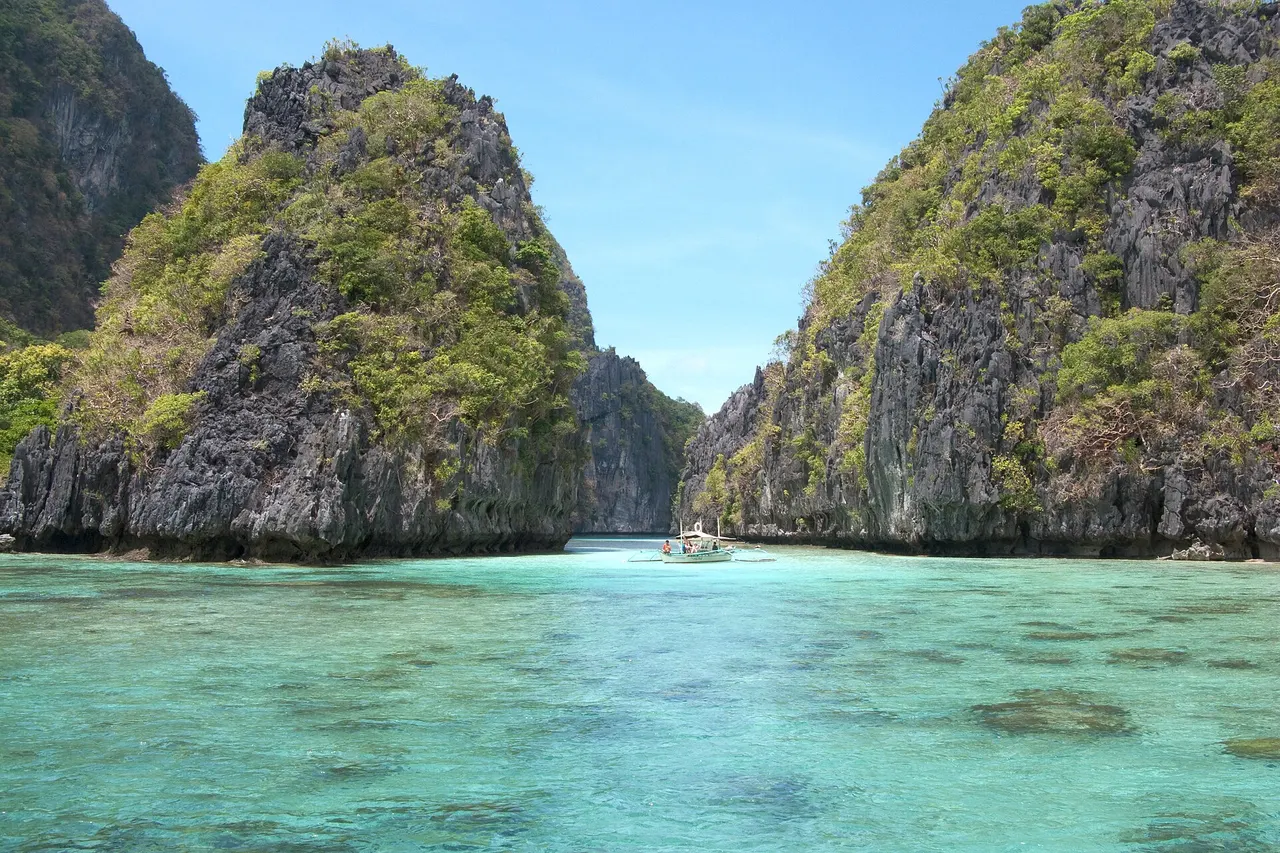
El Nido's boat tours weave between towering karst islands, hidden lagoons and small beaches; Coron, to the north, has crystal lakes and some of the world's best wreck diving on Second World War Japanese ships. Puerto Princesa is the gateway for the UNESCO-listed underground river. Many travellers take the boat between Coron and El Nido.
Boracay
Boracay's White Beach is one of Asia's most famous strips of sand. Since a big clean-up in 2018 the island has stricter rules and a daily visitor cap, and it is a good choice for an easy beach week with restaurants and sunset sailing.
Bohol and Panglao
Bohol has the Chocolate Hills, tiny tarsier primates and river cruises, while neighbouring Panglao has beaches and dive sites. It is a short ferry from Cebu City.
Cebu
Cebu has a big international airport and plenty of resorts on Mactan Island. Further south, Moalboal is known for its sardine run and Oslob and Kawasan Falls for canyoneering. Malapascua, in the north, is famous for thresher shark dives.
Siargao and the north
Siargao is the country's surf capital with a laid-back island vibe. In northern Luzon, the Banaue and Batad rice terraces carved into mountains are a memorable contrast to the beaches.
Best time to visit the Philippines
| Season | What to expect |
|---|---|
| December-February | Dry, warm and breezy; peak season, book ahead around Christmas |
| March-May | Hot and sunny, calm seas; Easter week is very busy |
| June-August | Wet season begins, cheaper; some typhoons |
| September-November | Highest typhoon risk, especially in the north and east |
Getting to the Philippines from the UK
Most travellers fly via a hub: Emirates via Dubai, Qatar Airways via Doha, Cathay Pacific via Hong Kong, Singapore Airlines via Singapore or Etihad via Abu Dhabi. Total journey times are usually 15-18 hours to Manila or Cebu. Flying straight into Cebu avoids Manila's congested airport and makes onward connections to Bohol, Palawan and Siargao easier.
Entry requirements
British passport holders can usually visit the Philippines visa-free for up to 30 days, and extend in the country. You need a passport valid for at least six months beyond your stay and an onward or return ticket. All arrivals must register on the free eTravel website within 72 hours before arrival; avoid lookalike sites that charge a fee. Rules change, so check GOV.UK foreign travel advice before booking.
The FCDO advises against travel to parts of Mindanao and the Sulu archipelago because of terrorism and kidnapping risks. The main tourist islands of Palawan, Boracay, Bohol, Cebu and Siargao are not covered by these warnings, but check the latest map.
Getting around
Domestic flights with Philippine Airlines, Cebu Pacific and AirAsia are the quickest way between island groups and are often cheap if booked ahead. Ferries and fast boats link nearby islands. On land, use jeepneys, tricycles, vans and Grab, which works in Manila and Cebu. Leave buffer days, as weather can cancel boats and flights.
Fly into Cebu or Clark rather than Manila if your onward route allows. You will often save hours of transfers.
Money and costs
The Philippines is good value. Budget travellers manage on about PHP 2,500-4,000 a day; a mid-range trip with good hotels, boat tours and domestic flights is closer to £70-120 per person per day. Island tours and environmental fees, such as El Nido's, add up. ATMs can run dry on small islands, so carry pesos. A 10% service charge is often added in restaurants.
Frequently asked questions
Which island is best for a first trip?
Palawan is the best all-rounder for scenery, with Bohol or Cebu as an easy second stop. Boracay suits a pure beach holiday.
How many days do you need in the Philippines?
Two weeks lets you combine two or three areas, such as Coron, El Nido and Bohol, without rushing. One week works best focused on a single island group.
Is the Philippines safe for tourists?
Most visits are trouble-free. Watch for petty crime in Manila, take typhoon warnings seriously and avoid the areas of Mindanao and Sulu the FCDO warns against.
Do I need cash in the Philippines?
Yes. Cards work in cities and larger resorts, but small islands, boats and local transport are cash only.
Written by
Thomas Ski, mountains & expeditions editor
Thomas is happiest above the tree line or below the Antarctic Circle. He writes our ski, mountain and polar expedition guides.
More from ThomasWe research every guide carefully, but prices, opening times and timetables change. Check them shortly before you travel. Links to our booking partners are affiliate links.