- Upolu has the capital, Apia, and most hotels; Savai'i is bigger, quieter and more traditional
- Stay at least one night in a beach fale for the classic Samoan experience
- Most UK travellers fly via Auckland, Brisbane, Sydney or Nadi
- Sunday is a day of church and rest, so plan around it
- Airports
- Faleolo International (APW), near Apia
- Flight time
- about 28-32h from London to Samoa, usually with two stops
- Best time to go
- May-October (dry season)
- Currency
- Samoan tala (WST)
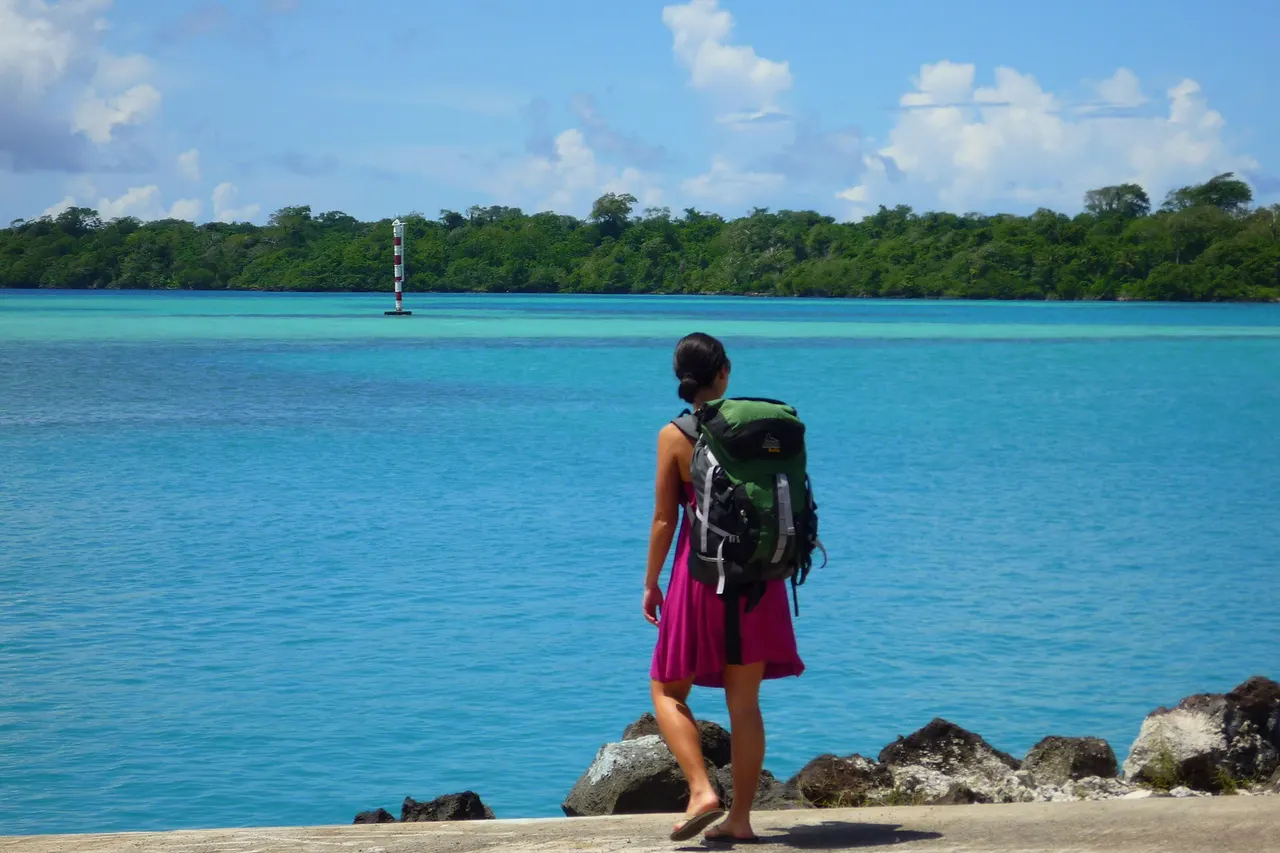
Samoa is the Pacific without the gloss. Its two main islands, Upolu and Savai'i, are covered in rainforest and fringed by reefs, white-sand beaches and lava coastline, and fa'a Samoa, the Samoan way of life, is still very visible: extended families, village councils, open-sided fale houses and Sunday church services full of hymns. Tourism is low-key, which is a big part of the appeal.
It is a long way from the UK, so most people combine Samoa with New Zealand, Australia or other Pacific islands. Cars drive on the left, plugs are the Australian type I (bring an adaptor), and Samoa is 12 hours ahead of the UK in summer and 13 hours ahead in winter. This is one of our Oceania guides and covers where to go, when to visit, getting there and costs in 2026.
Entry requirements
British passport holders do not normally need a visa for a holiday. A visitor permit is usually granted on arrival for up to 60 days, provided your passport is valid for at least six months, you have a return or onward ticket and you can show where you are staying. Rules change, so check GOV.UK foreign travel advice before booking.
Where to go in Samoa
Apia
The small capital on Upolu's north coast is where you'll find banks, the main market, the colonial-era waterfront and the Robert Louis Stevenson Museum at Villa Vailima, the Scottish author's former home. A steep walk from there leads to his grave on Mount Vaea. Apia is worth a day or two, but few people base themselves here for long.
South and east Upolu
This is Samoa's most photographed coast. To Sua Ocean Trench, a deep swimming hole reached by a long wooden ladder, is the headline sight, and Lalomanu beach in the far east has some of the best beach fales in the country. The Sopoaga waterfall, Piula Cave Pool and the beaches around Matareva and Salamumu are all easy day trips with a hire car.
Savai'i
A ferry ride from Upolu, Savai'i is one of the largest islands in Polynesia and feels even more rural. Highlights include the Alofaaga blowholes at Taga, the Afu Aau waterfall, the lava fields at Saleaula where an early 20th-century eruption buried a village church, and quiet beaches at Manase and Falealupo. Allow at least three nights.
Manono and Namua
Small islands off Upolu reached by short boat trips. Manono has no cars and a footpath around its edge; Namua is a simple fale island off the east coast with good snorkelling.
Best time to visit Samoa
| Season | What to expect |
|---|---|
| Dry season (May-October) | Warm, sunnier and less humid; the most popular time, with the Teuila Festival in early September |
| Wet season (November-April) | Hot, humid and rainier, with lower prices; tropical cyclone season, most likely January-March |
Samoa is very close to the international date line, so check your arrival and departure dates carefully, particularly if you fly via Hawaii or American Samoa.
Getting to Samoa from the UK
There are no direct flights. The usual routes are via Auckland (Air New Zealand and Samoa Airways, about three and a half hours), via Brisbane or Sydney (Virgin Australia and Qantas partners), or via Nadi with Fiji Airways. Getting from London to Auckland or Australia takes 24 hours or more, so allow around 28-32 hours in total. Samoa is easy to combine with New Zealand, Fiji or Tonga.
Getting around
Car hire is the best way to explore; you'll need a temporary local licence, which rental companies can usually arrange. Brightly painted local buses run from Apia market to most villages but keep loose timetables and rarely run on Sundays. Taxis are cheap for short trips. The car ferry between Mulifanua wharf on Upolu and Salelologa on Savai'i takes about an hour and runs several times a day. Many villages charge a small customary fee to visit beaches, waterfalls and pools; pay it politely.
Money and costs
Samoa uses the tala. A basic beach fale with breakfast and dinner usually costs around WST 100-200 per person per night, which makes it one of the better-value Pacific islands. A mid-range trip with a hotel, hire car and meals out is more like WST 400-600 (about £115-170) per person per day. ATMs are found in Apia and Salelologa; carry cash elsewhere. Tipping is not expected.
Frequently asked questions
What is a beach fale?
A traditional open-sided hut on the sand, usually with a mattress, mosquito net and woven blinds for privacy. Meals are normally included and shared with other guests. Facilities are simple, but waking up a few metres from the lagoon is unforgettable.
Is Samoa or Fiji better?
Fiji has more resorts and easier island-hopping. Samoa is less developed, more traditional and often cheaper, which suits travellers who want culture as much as beaches.
How many days do you need in Samoa?
A week works well: four nights on Upolu and three on Savai'i. Ten days lets you slow down to Samoan pace.
What should I wear in Samoa?
Dress modestly away from resorts, covering shoulders and knees in villages and at church. Swimwear is fine on the beach but not in villages or towns.
Written by
Thomas Ski, mountains & expeditions editor
Thomas is happiest above the tree line or below the Antarctic Circle. He writes our ski, mountain and polar expedition guides.
More from ThomasWe research every guide carefully, but prices, opening times and timetables change. Check them shortly before you travel. Links to our booking partners are affiliate links.