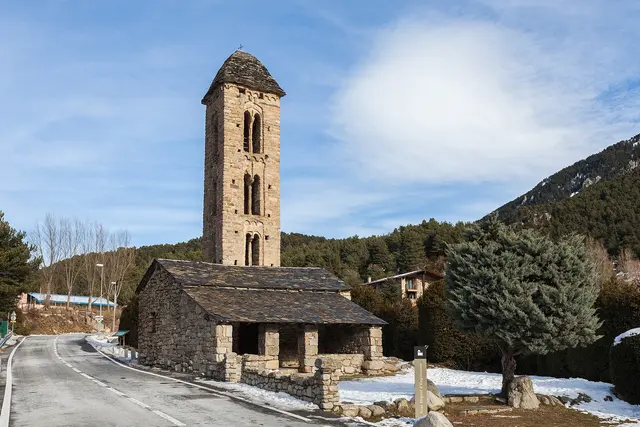
- Calle Laurel and its neighbours are packed with pintxo bars, each with its own speciality
- Haro's station quarter has some of Rioja's most historic wineries within walking distance
- Bilbao airport is roughly 1 hour 30 minutes away
- Logroño's San Mateo harvest festival takes place in late September
- Airports
- Bilbao (BIO); ferries to Bilbao and Santander
- Best time to go
- May-June and September-October
- Type
- Province
Logroño is the capital of La Rioja, Spain's most famous wine region and one of its smallest autonomous communities. The city sits on the River Ebro and is a stop on the Camino de Santiago, but most visitors come for its food: the narrow streets of the old town, above all Calle Laurel, are lined with bars serving pintxos and local wine by the glass.
Beyond the city, La Rioja is a patchwork of vineyards, medieval villages and monasteries, with the Sierra de la Demanda rising to the south. The region shares the Rioja wine area with the Rioja Alavesa in the Basque Country. For an overview of the region, see our La Rioja guide, and for the rest of Spain our Spain guide.
Things to do
- Calle Laurel and Calle San Juan – hop between small bars, each known for one or two dishes, such as grilled mushrooms, pig's ear or patatas bravas. Evenings are busiest, especially at weekends.
- Co-cathedral of Santa María de la Redonda – its twin Baroque towers dominate the old town, and inside is a small Crucifixion painting attributed to Michelangelo.
- Church of San Bartolomé and the old town – walk along the Camino route through the old town, past the Puerta del Revellín and the pilgrims' fountain.
- Haro – the wine capital of Rioja Alta, with a cluster of historic wineries in the Barrio de la Estación. Many offer tours and tastings by appointment.
- San Millán de la Cogolla – the twin monasteries of Suso and Yuso, a UNESCO World Heritage Site, are linked to the first written words in Castilian Spanish.
- Santo Domingo de la Calzada – a Camino town whose cathedral famously keeps a live hen and cockerel in a Gothic coop, recalling a medieval miracle legend.
- Briones and wine villages – hilltop Briones has a wine culture museum, and villages throughout Rioja Alta have cellars dug into the hillsides.
- Ezcaray and the Sierra de la Demanda – a mountain village known for blankets and good restaurants, with the small Valdezcaray ski area nearby.
Where to stay
| Area | Why stay there |
|---|---|
| Logroño old town | On the doorstep of Calle Laurel and the cathedral |
| Around Espolón park | Central and slightly calmer, close to the old town |
| Haro | For winery visits in Rioja Alta |
| Ezcaray | Mountain base with excellent food |
Getting there
Bilbao is the most convenient airport from the UK, with direct flights from several British cities; the drive to Logroño takes roughly 1 hour 30 minutes, and buses run too. Brittany Ferries sails to Bilbao and Santander, both within about two hours' drive. From Madrid, trains take roughly 3 hours 30 minutes. A car makes visiting wineries much easier, but choose a designated driver or book a tour.
Best time to visit
Late spring and early autumn are perfect, and the harvest season from September to October is the most atmospheric time in the vineyards. Logroño's Fiestas de San Mateo, a celebration of the grape harvest, takes place around 21 September. Haro's Batalla del Vino, where crowds drench each other in red wine, is held on 29 June. Winters are cool and damp, but the bars stay lively.
In Calle Laurel the custom is to order one or two pintxos and a glass in each bar, then move on, rather than settling in for a full meal.
Top attractions in Logroño
 Landmark
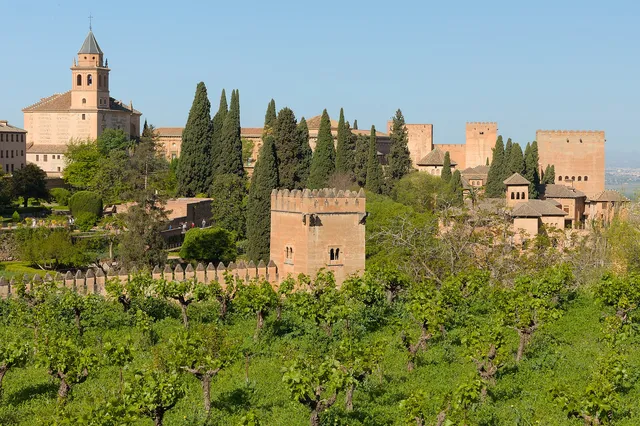
Alhambra
A hilltop palace-fortress of carved stucco, tiled courtyards and water gardens, the Alhambra is the high point of…
 Landmark
Park Güell
Gaudí's hillside park of mosaic benches, gingerbread-style lodges and a famous dragon, with sweeping views over…
 Museum
Prado Museum
One of the world's great art museums, the Prado holds Spain's royal collection, from Velázquez's Las Meninas to Goya's…
 Landmark
Real Alcázar
A dazzling Mudéjar palace and gardens in the heart of Seville, still used by the Spanish royal family and famous as the…
 Landmark
Sagrada Família
Gaudí's unfinished basilica, with its forest-like nave and glowing stained glass, is Barcelona's must-book sight.
 Nature
Serra de Tramuntana
A UNESCO-listed mountain range of stone villages, olive terraces and hairpin roads along Mallorca's north-west coast.
Logroño on the map
Frequently asked questions
Is Logroño worth visiting?
Yes, especially for food and wine lovers. It is one of the best cities in Spain for tapas and a perfect base for Rioja wineries.
How long should I stay in Logroño?
Two or three days is ideal: one for the city and its bars, and one or two for wineries and monasteries.
Can I visit Rioja wineries without a car?
Some wineries in Logroño and Haro are reachable on foot or by public transport, and organised tours run from Logroño. A car or tour is needed for the villages.
What is the difference between Rioja Alta and Rioja Alavesa?
Rioja Alta is in La Rioja itself, centred on Haro, while Rioja Alavesa lies north of the Ebro in the Basque province of Álava, with towns such as Laguardia.
Written by
Thomas Ski, mountains & expeditions editor
Thomas is happiest above the tree line or below the Antarctic Circle. He writes our ski, mountain and polar expedition guides.
More from ThomasWe research every guide carefully, but prices, opening times and timetables change. Check them shortly before you travel. Links to our booking partners are affiliate links.