- Umbria is Tuscany's quieter neighbour, with hill towns, forests and lakes
- Base yourself near Perugia, Assisi or Spoleto and hire a car
- Orvieto is an easy stop on the train between Rome and Florence
- Come in autumn for truffles, olive oil and the grape harvest
- Airports
- Perugia (PEU), Rome Fiumicino (FCO), Florence (FLR), Pisa (PSA)
- Best time to go
- April-June and September-October
- Type
- Region
Umbria is the only Italian region in the middle of the peninsula with neither a coastline nor a foreign border, and Italians like to call it the green heart of Italy. It is a region of medieval hill towns built in pale pink and grey stone, oak and chestnut woods, olive groves and slow lunches of lentils, wild boar and black truffle. It has plenty of the qualities people love in Tuscany, usually with fewer coach parties and lower prices.
For a UK visitor it suits a relaxed week or two: a villa or farm stay, a hire car and a different town every day. It also combines easily with Rome or Florence. For the wider picture, see our Italy guide.
Things to do
- Assisi – the town of St Francis, with the great double basilica and its frescoes by Giotto's circle and Cimabue.
- Perugia – the lively regional capital, with the Fontana Maggiore, the Galleria Nazionale dell'Umbria and the Umbria Jazz festival each July.
- Orvieto – perched on a cliff of volcanic tuff, with one of Italy's most striking cathedral façades and a warren of caves beneath the streets.
- Spoleto and Gubbio – Spoleto has the Ponte delle Torri aqueduct and a summer arts festival; Gubbio's Palazzo dei Consoli is one of the finest civic buildings in the country.
- Lake Trasimeno – a broad, shallow lake with lakeside towns, ferries to Isola Maggiore and plenty of cycling.
- Montefalco and Bevagna – wine country for Sagrantino, plus a small, perfectly preserved medieval town below.
- Norcia and the Piano Grande – famous for cured meats and truffles; the high plain at Castelluccio is carpeted with flowering lentils and wildflowers in early summer.
- Marmore Falls – a dramatic man-made waterfall near Terni, first channelled by the Romans.
Where to stay
| Area | Why stay there |
|---|---|
| Perugia | A real city with restaurants, nightlife and good transport links |
| Assisi and Spello | Beautiful in the evening once day-trippers leave; central for touring |
| Around Lake Trasimeno | Easy for families, with swimming and short drives to Tuscany |
| Spoleto and Montefalco | Southern Umbria's art, wine and walking country |
| Orvieto | Handy on the Rome–Florence rail line if you do not want to drive |
The Perugia and Terni provincial guides go into more detail on each half of the region.
Getting there
Perugia's small airport (PEU) has had seasonal flights from London in some years, so check seasonal routes. Otherwise fly to Rome Fiumicino, Florence or Pisa. From Rome, Orvieto is roughly an hour and a quarter by train, and Perugia is around two and a half hours by car. From Florence, regional trains reach Perugia in roughly two hours. A hire car is close to essential if you want to see the smaller towns and the countryside.
Best time to visit
Spring (April to June) brings green hills and wildflowers, and the lentil fields near Castelluccio usually flower from late June into July. September and October are ideal for walking, the grape harvest and truffle fairs. July and August are hot but busy with festivals, including Umbria Jazz in Perugia. Winter is quiet and often cold in the hills.
Many hill towns restrict traffic in their centres (ZTL zones). Park in the signed car parks below the walls and use the lifts and escalators that several towns have built.
Top attractions in Umbria
 Landmark
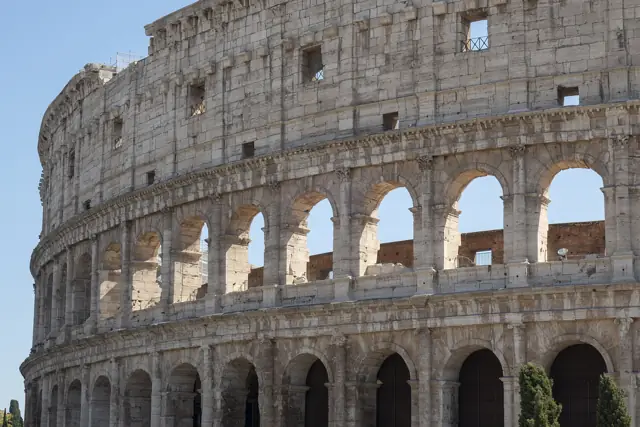
Colosseum
Rome's great amphitheatre, where up to 50,000 spectators once watched gladiator fights, is the city's most iconic sight.
 Landmark
Florence Duomo
Florence's cathedral, crowned by Brunelleschi's record-breaking dome, is the symbol of the city, with the bell tower…
 Nature
Mount Etna
Europe's tallest active volcano, with lava fields, craters and sweeping views over eastern Sicily.
 Nature
Path of the Gods
A spectacular cliff-top trail high above the Amalfi Coast, with views over Positano and out to Capri, that is free to…
 Landmark
Pompeii
The Roman town buried by Vesuvius in AD 79, Pompeii is the most complete ancient city in the world and an unforgettable…
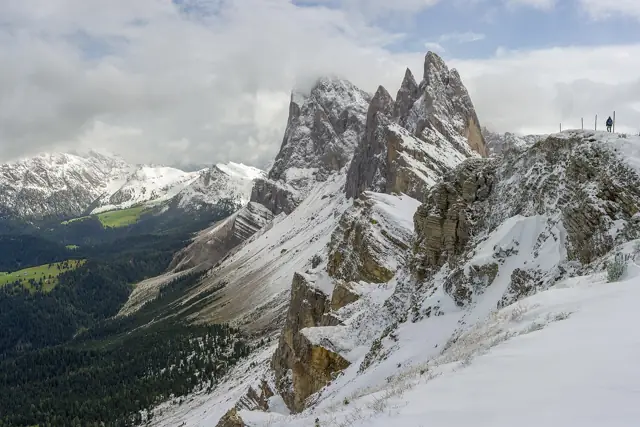 Viewpoint
Seceda
A grassy ridge above Val Gardena that drops away in a dramatic wall of jagged peaks, reached by cable car from Ortisei.
Umbria on the map
Frequently asked questions
Is Umbria better than Tuscany?
It is not better or worse, just quieter. Umbria has similar hill towns, food and scenery, but usually fewer crowds and lower prices. Many visitors combine the two, as Cortona and Montepulciano in Tuscany are close to the border.
Do I need a car in Umbria?
For the countryside and smaller towns, yes. Perugia, Assisi, Spello, Foligno, Spoleto and Orvieto are on railway lines, so a car-free trip is possible if you stick to the main towns.
How many days do you need in Umbria?
A week lets you see Perugia, Assisi, Orvieto, Spoleto and the lake without rushing. With three or four days, pick a central base such as Assisi or Spello.
What food is Umbria known for?
Black truffles, Norcia's cured pork, Castelluccio lentils, olive oil, porchetta and Sagrantino di Montefalco red wine.
Written by
Emma City breaks & deals editor
Emma plans city breaks the way other people plan the weekly shop: on a budget, with a spreadsheet and a backup plan. She covers city guides and deal-hunting.
More from EmmaWe research every guide carefully, but prices, opening times and timetables change. Check them shortly before you travel. Links to our booking partners are affiliate links.